
Foods That Cause Bloating (And What to Eat Instead)
Bloating can leave you feeling uncomfortable, sluggish, and frustrated — especially when it happens after meals. While occasional bloating is common, certain foods are far more likely to trigger digestive discomfort than others.
The good news? In many cases, simple dietary changes can help reduce bloating naturally and support better gut health.
In this guide, we’ll cover some of the most common foods that cause bloating — plus healthier alternatives that may be easier on your digestive system.
🤔 Why Certain Foods Cause Bloating
Bloating usually happens when gas builds up in the digestive system or digestion slows down. Some foods are harder to digest, while others may trigger fermentation in the gut.
Common reasons foods cause bloating include:
- Excess sugar or artificial sweeteners
- Poor digestion of carbohydrates
- Food sensitivities
- High sodium intake
- Lack of digestive enzymes
- Imbalanced gut bacteria
Everyone’s digestive system is different, which is why identifying your personal triggers can make a big difference.
🚫 Foods That Commonly Cause Bloating
1. Carbonated Drinks
Soda, sparkling water, and fizzy drinks introduce excess air into the digestive system.
Better Options:
✔ Still water
✔ Herbal tea
✔ Lemon water
2. Fried and Greasy Foods
Heavy, greasy meals digest more slowly and may increase feelings of fullness and bloating.
Better Options:
✔ Grilled chicken
✔ Baked salmon
✔ Air-fried foods
3. Dairy Products
Some people struggle to digest lactose, which may lead to gas, bloating, and stomach discomfort.
Better Options:
✔ Lactose-free yogurt
✔ Almond milk
✔ Coconut yogurt
4. Artificial Sweeteners
Ingredients like sorbitol and sucralose can be difficult for some people to digest.
Better Options:
✔ Honey (in moderation)
✔ Stevia
✔ Fresh fruit
5. Processed Foods
Highly processed foods are often loaded with sodium, preservatives, and additives that may contribute to bloating.
Better Options:
✔ Whole foods
✔ Fresh vegetables
✔ Lean proteins
✔ Brown rice or oats
6. Beans and Certain Vegetables
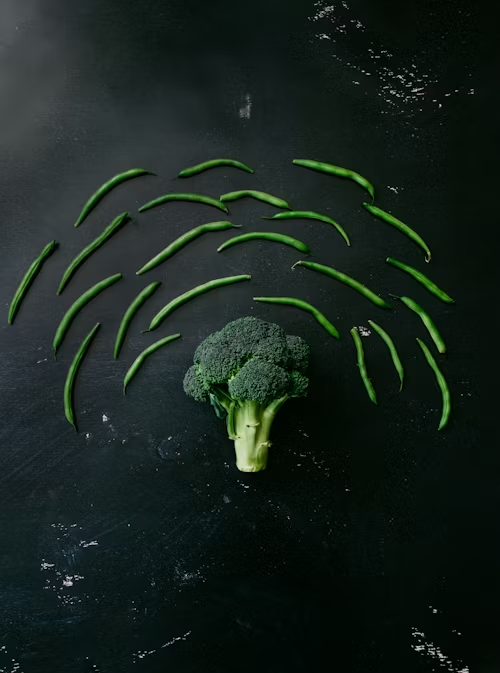
Beans, broccoli, onions, and cabbage contain compounds that may create gas during digestion.
Better Options:
✔ Zucchini
✔ Spinach
✔ Cucumbers
✔ Carrots
Cooking vegetables thoroughly may also help reduce digestive discomfort.
🥗 Foods That May Help Reduce Bloating
Some foods may actually support digestion and reduce bloating naturally.
Gut-Friendly Foods:
✔ Ginger
✔ Bananas
✔ Yogurt with probiotics
✔ Oatmeal
✔ Peppermint tea
✔ Bone broth
✔ Fermented foods
These foods may help support healthy digestion and gut bacteria balance.
💧 Other Tips to Reduce Bloating
In addition to changing your diet, these habits may help:
- Eat more slowly
- Drink more water
- Avoid overeating
- Manage stress
- Exercise regularly
- Keep a food journal
Small daily improvements often lead to better long-term gut health.
💊 Can Supplements Help With Bloating?
For some people, supplements may help improve digestion and reduce occasional bloating.
Popular options include:
- Probiotics
- Digestive enzymes
- Peppermint oil
- Prebiotic fiber
These supplements may help support gut bacteria balance and digestive function.
Final Thoughts
Bloating is extremely common, but certain foods may be making it worse without you realizing it.
Reducing processed foods, sugary drinks, and difficult-to-digest ingredients while focusing on whole, gut-friendly foods may help improve digestion naturally.
Learning which foods work best for your body is one of the most effective ways to support long-term gut health.
Related Articles
Affiliate Disclaimer
This post may contain affiliate links. If you purchase through these links, Healthieme may earn a commission at no extra cost to you.