
Living with irritable bowel syndrome (IBS) often feels like solving a complex, ever-changing puzzle. For many, the primary challenge lies in identifying which specific foods that help IBS symptoms and which might act as dietary triggers. Understanding how your digestive system reacts to different inputs is the first step toward reclaiming your quality of life. While individual responses to food can vary significantly, adopting a thoughtful approach to nutrition can make a profound difference in managing discomfort. In this guide, we will explore the essential connection between your diet and your gut health, providing you with evidence-based strategies to help you navigate meal planning with confidence. By learning how to build a gut-friendly plate, you can focus on nourishing your body while minimizing the impact of common IBS symptoms like bloating, gas, and abdominal pain. We believe that wellness is built on informed decisions rather than restrictive fear.
Key Takeaways
- Individual tolerance varies greatly; what works for one person may not work for another, making personal tracking essential.
- Focus on consuming whole, minimally processed foods, as these often contain fewer additives that may irritate the gut.
- Identifying your specific food triggers often requires a gradual, guided approach, such as a temporary elimination phase.
- Prioritizing consistent meal timing and hydration can support healthy movement through your digestive tract, reducing common IBS flare-ups.
- Always consult with a registered dietitian or healthcare professional before beginning major dietary changes to ensure your nutritional needs are met.
Understanding Foods That Help IBS Symptoms
For those navigating the complexities of irritable bowel syndrome, the term “foods that help IBS symptoms” refers to dietary components that are generally better tolerated and less likely to provoke a physical response. IBS affects the way the gut processes food, often leading to increased sensitivity. When the digestive tract is hypersensitive, certain carbohydrates, fats, or even specific fiber types can cause an uncomfortable ripple effect. Understanding your triggers is not about adopting a permanent “bad food” list, but rather discovering a baseline that allows your system to rest.
Defining Digestive Sensitivity
Some people experience symptoms primarily related to fermentation—where bacteria in the gut break down specific sugars, creating gas—while others may be more sensitive to high-fat foods or insoluble fiber that can accelerate or slow down bowel movements. Because gut microbiomes are unique to every individual, there is no single “IBS superfood” that cures the condition. Instead, focus on ingredients that provide gentle, reliable energy. Incorporating foods that are simple to digest can create a foundation of stability. As you begin to observe how your body reacts to these foods, you gain the clarity needed to build a diet that supports your long-term comfort.
Why Foods That Help IBS Symptoms Matters
Selecting the right sustenance is not just about avoiding pain; it is about fueling your body’s essential functions effectively. When you proactively choose ingredients that your gut tolerates well, you reduce the physical burden on your digestive system, which in turn can lead to improved energy levels and overall well-being. Chronic gut issues often disrupt daily life, causing unnecessary stress that can worsen digestive sensitivity. By focusing on IBS Symptoms Explained: Causes, Signs & Treatment Options, you gain a better perspective on why proactive management is so vital to your health journey.
When we struggle with digestive discomfort, our body enters a state of high alert. Persistent bloating or abdominal pain often creates a cycle where we become fearful of eating, leading to missed nutrients and unnecessary anxiety. By learning which foods help manage these symptoms, you transform your relationship with food from one of fear into one of supportive nourishment. This shift is essential for sustainability. It allows you to participate in social gatherings and daily activities without the looming dread of a flare-up, improving both your mental and physical health in the process.
Key Factors to Consider
Navigating your diet requires more than just a list of foods; it requires understanding the variables that influence your digestive health. Several factors determine how you might respond to a particular ingredient on any given day.
The Role of Portion Control
Even foods that are generally considered “safe” can provoke a reaction if consumed in large quantities. A large volume of food requires more effort for the digestive system to process, which can lead to bloating. Spacing out smaller, more frequent meals can sometimes be more tolerable than eating three heavy, dense meals that overwhelm your digestive tract.
Consistency and Hydration
What you drink is just as important as what you eat. Water is crucial for helping fiber move through your system efficiently, preventing constipation and ensuring that your bowel movements remain regular. In addition to water, the consistency of your meal times plays a significant role in keeping your gut “in rhythm.” When you eat at the same time each day, your intestines can better prepare for digestion, reducing the likelihood of erratic responses. Recognizing these lifestyle factors is just as important as selecting the right ingredients.
Evidence-Based Strategies and Practical Steps
Building a diet that helps your symptoms requires a systematic approach rather than guesswork. To start, many people find success by keeping a food journal, noting both the food consumed and the physical sensations that follow. According to the National Institute of Diabetes and Digestive and Kidney Diseases — Eating, Diet, and Nutrition for Irritable Bowel Syndrome, identifying personal triggers through careful observation is a cornerstone of effective management.
Consider exploring the Low FODMAP Diet for IBS: A Beginner’s Guide to better understand how specific groups of fermentable carbohydrates affect the gut. This approach involves a temporary elimination phase during which you remove common high-FODMAP foods, followed by a structured reintroduction period. This process helps you determine which foods you can tolerate and which ones are best limited.
- Keep a record of your meals, symptoms, and stress levels.
- Focus on gentle, cooked vegetables rather than raw salads if you notice bloating.
- Prioritize lean protein sources that are easy to digest.
- Gradually increase fiber intake to allow your gut time to adapt.
By following these strategies, you move toward a diet that feels nourishing rather than restrictive.
Practical Examples for Beginners
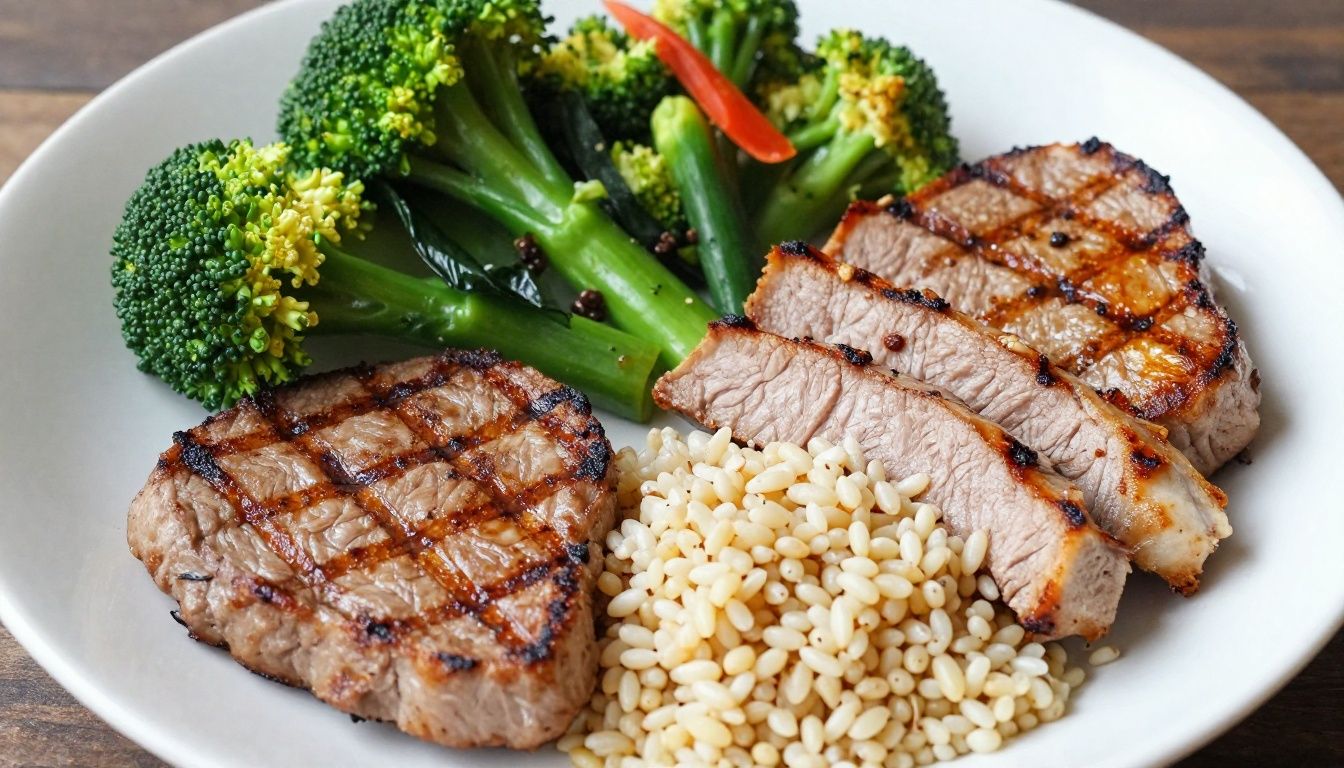
If you are just starting your journey, the idea of changing your diet can feel overwhelming. Begin by focusing on simple, single-ingredient foods that are generally well-tolerated. For instance, lean proteins like chicken, turkey, or firm tofu are typically easy on the gut. Pair these with easily digestible starches such as white rice or quinoa, and cooked root vegetables like carrots or potatoes.
Consider a breakfast of gluten-free rolled oats cooked with water and topped with a small amount of blueberries. For lunch, a grilled chicken salad with spinach (in moderation) and a light cucumber vinaigrette can be both satisfying and gentle. These choices help stabilize blood sugar and energy without stressing your system. As you gain more experience, you may want to look into Can Probiotics Help IBS? to see if supporting your gut microbiome further aligns with your personal health goals. Remember that the goal is not perfection, but rather finding a collection of “go-to” meals that you know will likely leave you feeling steady and comfortable. Start small, track your reactions, and gradually expand your repertoire as you learn what suits your unique needs.
Common Mistakes and Long-Term Tips
One of the most common mistakes for beginners is the “all-or-nothing” mindset. Some people attempt to eliminate vast categories of food simultaneously, which can lead to nutritional deficiencies and increased stress. Instead, approach dietary changes as a series of experiments. If a specific food seems to cause an issue, remove it for a short time and then test your tolerance again later. Your sensitivity level may change over time as your gut health improves.
Another mistake is ignoring the impact of lifestyle on digestion. You might track every ingredient, yet ignore the fact that high levels of stress or poor sleep quality exacerbate your symptoms. True long-term success comes from integrating your dietary choices into a broader lifestyle that prioritizes rest, movement, and stress management. Be patient with yourself. Healing and finding your unique “safe list” is a cumulative process. Don’t be discouraged by a bad day; focus on the long-term patterns rather than the occasional bump in the road. Aim for consistency in your routine, and always favor progress over perfection.
When to Speak With a Healthcare Professional
While gathering information is empowering, it is not a replacement for professional clinical guidance. You should consult a healthcare professional, especially a registered dietitian or a gastroenterologist, if your symptoms are severe, if you experience sudden weight loss, if you notice blood in your stool, or if your symptoms are progressively worsening despite your best efforts to change your diet. These signs may indicate other conditions that require specialized medical intervention. Your medical team can help ensure that any dietary adjustments you make are safe and nutritionally balanced, providing you with a roadmap that is tailored specifically for your body’s unique situation.
Frequently Asked Questions
Should I avoid all fiber if I have IBS?
No, you should not avoid fiber entirely. While some types of insoluble fiber can aggravate symptoms in certain individuals, soluble fiber is often highly recommended as it absorbs water and helps regulate bowel movements, which can be beneficial for managing both diarrhea and constipation for many people.
Is the low-FODMAP diet meant to be permanent?
No. The low-FODMAP diet is designed as a temporary, structured process to help identify which specific sugars trigger your symptoms. After the initial elimination phase, you should systematically reintroduce foods to determine your personal threshold, eventually moving toward a more varied, balanced, and sustainable long-term eating pattern.
Can stress really trigger my IBS symptoms?
Yes, the gut-brain axis is a powerful connection. High levels of stress can directly influence gut motility and sensitivity. Incorporating stress-reduction techniques like mindfulness, gentle walking, or deep breathing can often be a vital part of managing your symptoms alongside the dietary changes you are making.
How long does it take for diet changes to show results?
This varies by individual, but many people notice an improvement in their symptoms within a few days to a few weeks of consistent dietary changes. Patience is key, as your gut microbiome needs time to adjust to new inputs and stabilize in response to your more gut-friendly diet.
Can I eat dairy if I have IBS?
It depends. Some people with IBS are also lactose intolerant, which can cause significant gas and bloating. If dairy is a trigger, it is often best to try lactose-free options or plant-based alternatives to see if your symptoms improve without having to cut out the calcium-rich foods entirely.
Final Thoughts
Managing IBS is a journey that requires patience, observation, and a gentle touch. By focusing on foods that help IBS symptoms—while keeping in mind that your experience is unique—you are taking a powerful step toward better digestive health. Remember to use tools like food journals to track your progress and always prioritize a balanced approach that includes stress management and professional support when needed. You do not have to settle for constant discomfort. By making small, informed adjustments and listening to your body, you can cultivate a diet that serves you well. Stay consistent, stay curious, and keep moving forward with confidence toward a more balanced, comfortable life.