
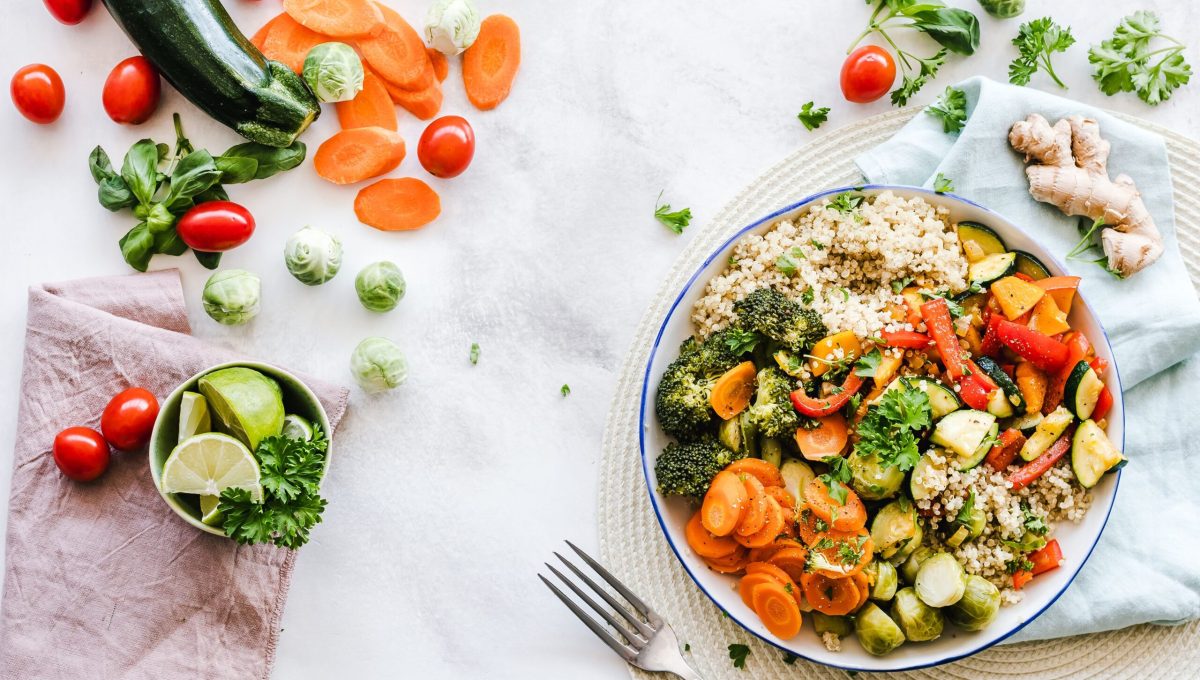
Foods That Help IBS Symptoms
Living with Irritable Bowel Syndrome (IBS) can be frustrating. Symptoms such as bloating, abdominal pain, gas, diarrhea, and constipation can affect daily life and make eating feel complicated. Fortunately, many people find that certain foods help manage IBS symptoms and improve digestive comfort.
Although there is no single IBS diet that works for everyone, choosing foods that are easier to digest may help reduce flare-ups and support overall gut health.
Understanding IBS and Food Triggers
IBS affects the digestive system and can cause symptoms that vary from person to person. Some people struggle primarily with diarrhea, while others experience constipation or a combination of both.
Food does not cause IBS, but certain foods can trigger symptoms. Identifying foods that work well for your body is often one of the most effective ways to manage the condition
Lean Proteins That May Help IBS Symptoms
Protein-rich foods are often well tolerated because they contain little to no fermentable carbohydrates.
Good options include:
- Chicken
- Turkey
- Fish
- Salmon
- Tuna
- Eggs
- Lean beef
- Tofu
These foods provide essential nutrients while being less likely to contribute to gas and bloating.
Vegetables That Are Often Easier to Digest
Many vegetables offer important nutrients and fiber while remaining gentle on digestion.
Examples include:
- Carrots
- Cucumbers
- Bell peppers
- Spinach
- Green beans
- Lettuce
- Zucchini
- Eggplant
Cooking vegetables may make them easier to tolerate for some individuals.
Fruits That May Be IBS-Friendly
Some fruits are lower in fermentable carbohydrates and may be less likely to trigger symptoms.
Common IBS-friendly fruits include:
- Strawberries
- Blueberries
- Grapes
- Kiwi
- Oranges
- Pineapple
- Cantaloupe
Pay attention to portion sizes, as even healthy foods can cause symptoms when eaten in large quantities.
Grains That May Support Better Digestion
Simple grains are often easier on sensitive digestive systems.
Good choices include:
- White rice
- Brown rice
- Oatmeal
- Gluten-free oats
- Quinoa
- Rice cakes
These foods can provide steady energy without commonly triggering digestive discomfort.
Foods That May Help IBS-C
IBS-C refers to constipation-predominant IBS.
Foods that may help include:
- Oatmeal
- Chia seeds
- Ground flaxseed
- Kiwi
- Cooked vegetables
- Adequate water intake
Increasing fiber gradually is often recommended to avoid worsening symptoms.
Foods That May Help IBS-D
People with diarrhea-predominant IBS may find relief from foods that are easy to digest.
Examples include:
- Bananas
- White rice
- Potatoes
- Lean proteins
- Oatmeal
- Toast
These foods may help support more regular bowel movements during symptom flare-ups
The Importance of Hydration
Water plays a critical role in digestive health.
Benefits of staying hydrated include:
- Supporting normal digestion
- Helping prevent constipation
- Assisting fiber in moving through the digestive tract
- Supporting overall wellness
Many people notice improvements in digestive comfort when they consistently drink enough water throughout the day.
Consider a Low-FODMAP Approach
The Low-FODMAP Diet is one of the most researched dietary strategies for IBS.
This approach involves temporarily reducing foods high in fermentable carbohydrates and then gradually reintroducing them to identify triggers.
Many individuals experience noticeable symptom improvement through this process.
Foods That Often Trigger IBS Symptoms
Common trigger foods may include:
- Onions
- Garlic
- Fried foods
- Fatty foods
- Beans
- Artificial sweeteners
- Carbonated beverages
- Excess alcohol
Not everyone reacts the same way, which is why identifying personal triggers is important.
Additional Tips for Managing IBS
Along with choosing IBS-friendly foods, these habits may help:
- Eat smaller meals
- Avoid overeating
- Eat slowly
- Manage stress
- Maintain a regular eating schedule
- Keep a food journal
These strategies can help you better understand your digestive system and reduce symptom flare-ups.
Final Thoughts
Managing IBS often requires a personalized approach, but many people find relief by focusing on foods that are easier to digest. Lean proteins, low-FODMAP fruits and vegetables, simple grains, and proper hydration may all contribute to better digestive comfort and fewer symptoms.
Experimenting carefully with your diet and tracking how your body responds can help you build an eating plan that supports long-term digestive health.
Related Articles
• What To Eat If You Have IBS
• IBS-Friendly Foods List
• Low FODMAP Diet for IBS: A Beginner’s Guide
• Best Foods for IBS (What to Eat for Better Digestion)
• Can Probiotics Help IBS? What the Research Says
Affiliate Disclaimer
This post may contain affiliate links. If you purchase through these links, Healthieme may earn a commission at no extra cost to you.