
Introduction
Inflammation is a natural bodily response designed to protect you from injury and infection. However, when it becomes chronic, it contributes to various health challenges, often stemming from lifestyle habits and dietary choices. Understanding which foods that reduce inflammation naturally can provide a powerful tool for your long-term wellness strategy. By transitioning to a diet rich in whole, nutrient-dense ingredients, you can help your body maintain a balanced state of health. In this guide, we will explore the science-backed ingredients that help manage systemic inflammation, focusing on practical, actionable steps you can take today to foster better digestion and immunity.
Quick Answer
Foods that reduce inflammation naturally include colorful vegetables, fatty fish, nuts, seeds, and berries. These ingredients are packed with antioxidants, omega-3 fatty acids, and fiber that address the underlying causes of oxidative stress. By minimizing highly processed items and prioritizing whole foods, you can create an environment where your body heals more effectively. Consistency is key, so focus on adding these nutrient-dense components to every meal rather than seeking a single miracle cure for your health goals.
Key Takeaways
- Chronic inflammation is often linked to diet and lifestyle, making your food choices vital.
- Prioritize plant-based foods, healthy fats, and lean proteins to calm the immune system.
- Highly processed foods act as primary contributors to systemic inflammation markers.
- Consistency in daily eating is more effective than attempting short-term, restrictive diets.
- Always pair dietary changes with professional guidance, especially if you have known health conditions.
The Connection Between Gut Health and Inflammation
The gut serves as the command center for your immune system, housing trillions of bacteria that balance your body’s inflammatory responses. When we consume processed items, we can disrupt this delicate ecosystem, potentially leading to increased intestinal permeability. This is why learning how processed foods impact your health is the first step toward reducing systemic irritation. A healthy gut microbiome requires diverse fiber sources to flourish and keep internal inflammation low. By fostering beneficial bacteria through smart food choices, you can effectively teach your immune system to remain calm rather than overly reactive. Research consistently shows that gut diversity acts as a protective layer against chronic inflammation, highlighting why a varied, plant-centered lifestyle remains the gold standard for long-term health maintenance.
The Best Anti-Inflammatory Foods
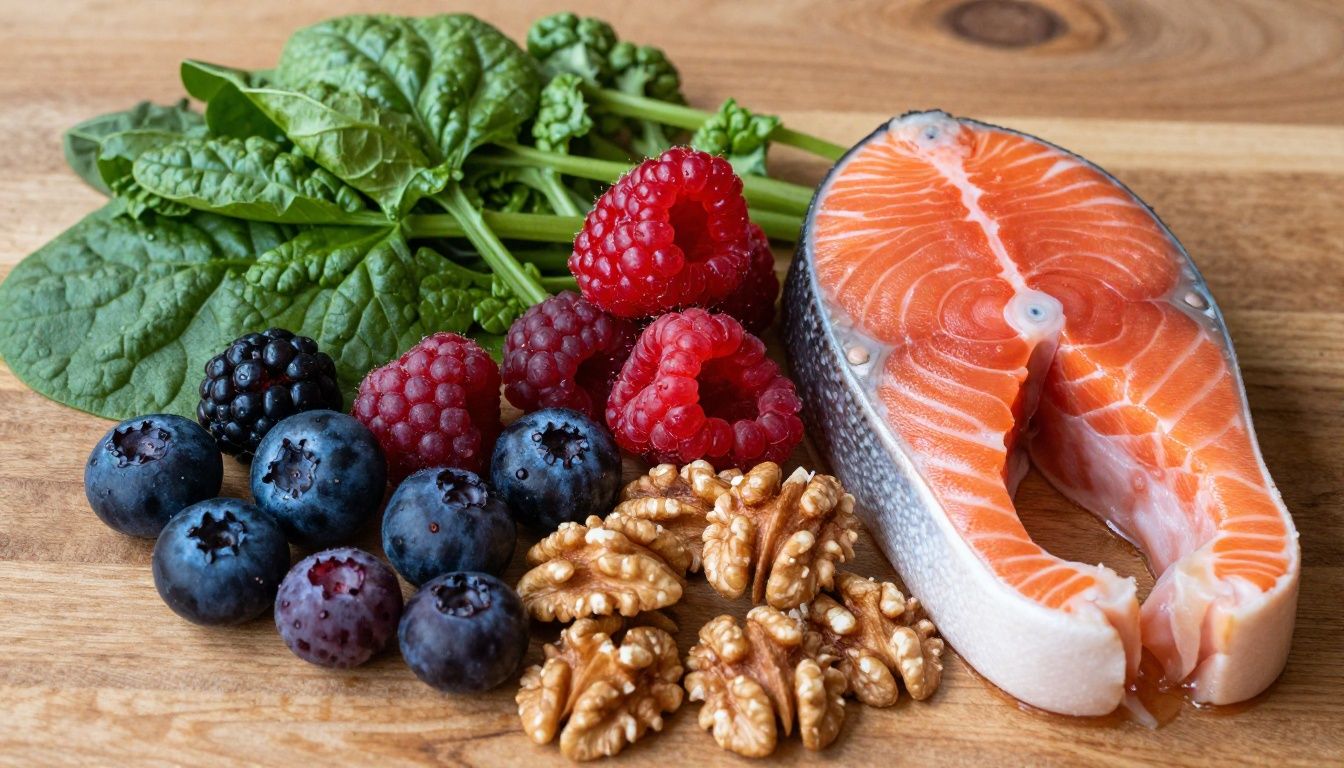
Nature provides a pharmacy of ingredients that can help modulate internal inflammation. Leafy greens like spinach and kale are rich in polyphenols and vitamins that fight oxidative damage. Berries, including blueberries and strawberries, offer high levels of antioxidants that protect cells from stress. Fatty fish, such as salmon, contain vital omega-3 fatty acids that are proven to reduce inflammatory markers throughout the body. Furthermore, healthy fats like olive oil contain oleocanthal, a compound with anti-inflammatory effects similar to common pain medications. By focusing on these categories, you build a foundation that supports cellular repair and sustained energy levels without relying on additives or supplements alone.
Building a Balanced Plate
A simple visual framework is one of the most effective strategies for success. When you follow the principles of building a healthy plate at every meal, you ensure that you are getting enough fiber, protein, and healthy fats simultaneously. Half of your plate should consist of colorful, non-starchy vegetables; one quarter of high-quality protein; and the rest should include fiber-rich complex carbohydrates. This structure naturally lowers the glycemic load of your meals, preventing the spikes in blood sugar that can trigger inflammation. Because inflammation management is a lifestyle habit, creating this habit structure removes the need for constant counting or guessing. Practicality helps ensure that you stick to your goals, ultimately leading to better health outcomes and a more vibrant, energetic daily life for you and your family.
The Role of Fiber in Reducing Inflammation
Fiber is frequently overlooked, yet it is arguably one of the most important factors for gut-related health. As you learn about the benefits of eating more fiber, you will see how it feeds beneficial gut bacteria, which in turn produce short-chain fatty acids like butyrate. Butyrate plays a critical role in strengthening the intestinal lining and suppressing inflammatory pathways. Found in whole grains, legumes, beans, and vegetables, fiber acts as a broom, clearing out potential irritants and promoting regular digestion. Because of its profound impact on the microbiome, a high-fiber intake is strongly associated with lower levels of systemic inflammation markers in the blood. If your current diet is low in fiber, remember to increase your intake gradually and drink plenty of water to support your digestive tract during the transition.
Plant-Based Nutrition for Sustainable Wellness
Many people find success by adopting a more plant-forward approach to their daily intake. Utilizing plant-based nutrition for beginners does not necessarily mean you have to go fully vegan; it simply means elevating vegetables, fruits, legumes, and nuts to the center of your plate. Plants are dense in micronutrients, antioxidants, and anti-inflammatory compounds that are simply not available in refined alternatives. By focusing on whole, unprocessed plants, you eliminate many of the common triggers for inflammation, such as refined sugars and unhealthy vegetable oils. The variety available in the plant kingdom also keeps meals interesting and nutritious. Including a wide spectrum of colors in your salads, stews, and roasted dishes ensures you receive a full range of protective nutrients necessary for long-term health and disease prevention.
Check Your Labels Carefully
Modern supermarkets are filled with products that claim to be healthy but actually contain hidden inflammation triggers like high-fructose corn syrup, refined flours, and industrialized seed oils. To truly take control of your inflammation, you must prioritize whole foods over packaged goods whenever possible. When you do purchase packaged items, understanding food labels: what to look for becomes an essential skill. Look for short, recognizable ingredient lists and avoid items with excessive added sugars or trans fats. Prioritizing transparency in your food choices is a cornerstone of the Healthieme philosophy. By carefully evaluating what you consume, you reduce the intake of unnecessary artificial preservatives and dyes that can irritate your system, allowing your body to focus its energy on repair and recovery rather than detoxification.
Reducing inflammation usually depends on your overall eating pattern rather than one “miracle” food. Choose a variety of colorful vegetables, fruits, whole grains, legumes, nuts, seeds, and healthy fats. Consistency matters more than perfection, so focus on small improvements you can maintain over time.
For a research-based overview, see Harvard Nutrition Source’s anti-inflammatory diet review.
Final Thoughts
Reducing inflammation is a slow, methodical process that rewards your patience with better energy, clearer skin, and improved digestive comfort. There are no instant fixes, but by consistently choosing foods that provide nourishment rather than stress, you create a foundation for lasting vitality. Focus on adding variety to your plate, listening to how your body responds to specific foods, and maintaining a balanced approach to hydration and physical activity. As always, consult with your healthcare provider if you have concerns about your inflammatory markers or medical history.
Frequently Asked Questions
How long does it take to see results from an anti-inflammatory diet? Most people notice improvements in digestion and energy levels within two to four weeks of consistent dietary changes. However, deeper cellular adjustments, such as improvements in inflammatory blood markers, may take several months of dedicated focus and sustained lifestyle shifts.
Can I still eat bread and grains? Yes, but focus on intact, whole grains like quinoa, oats, and brown rice rather than refined white flour products. These whole grains provide essential fiber and minerals that help manage blood sugar, preventing the rapid insulin spikes that can contribute to inflammation in some individuals.
Are supplements necessary for reducing inflammation? While supplements like fish oil or turmeric may offer support, they cannot override a poor diet. They are meant to complement healthy habits rather than replace whole, nutrient-dense foods. Always discuss supplementation plans with your doctor to ensure they are safe and appropriate for your health needs.
What is the best way to handle food cravings? Cravings often indicate nutritional gaps or blood sugar fluctuations. Focus on eating balanced meals with adequate protein and healthy fats, which promote satiety. When cravings strike, reach for high-fiber snacks like berries or a handful of raw nuts instead of ultra-processed alternatives that trigger cravings.
Why is sleep important for inflammation? Sleep is when your body undergoes essential repair and detoxification. Chronic sleep deprivation increases levels of cortisol and inflammatory proteins in the blood. Aiming for seven to nine hours of consistent, high-quality sleep is just as critical for your inflammatory health as the food you put on your plate.