Adopting a plant-forward lifestyle is a journey, not a destination. Many people start by looking for a reliable guide to plant-based nutrition for beginners because they want to feel more energetic, improve their digestion, or simply add more color to their plates. Plant-based eating prioritizes foods derived from plants—including vegetables, grains, nuts, seeds, and fruits—without necessarily requiring you to eliminate animal products entirely. By focusing on whole, nutrient-dense foods, you can discover a world of flavors that support your long-term wellness goals. Whether you are curious about meatless Mondays or are interested in a more comprehensive shift in your habits, this guide will provide the evidence-based, practical steps needed to help you get started with confidence and sustainability.
Key Takeaways
- Plant-based eating centers on whole botanic foods while allowing for flexibility based on your individual health needs and personal preferences.
- The foundation of a healthy plant-based plate includes a fiber-rich variety of vegetables, fruits, whole grains, legumes, nuts, and seeds.
- Gradual changes are more sustainable than sudden restrictions; start by swapping just one meal a day or exploring meatless dinners.
- Key nutrients such as vitamin B12, iron, calcium, and omega-3 fatty acids require attention to ensure you meet your nutritional needs safely.
- Consistency and food quality matter; focus on minimally processed, whole food choices rather than relying exclusively on packaged alternatives.
Understanding Plant-Based Nutrition for Beginners
When exploring plant-based nutrition for beginners, it is helpful to clarify the terminology, as the label covers a broad spectrum of habits. At its core, this approach emphasizes eating more foods that grow from the earth while reducing dependence on processed items and animal-based products. Unlike strict veganism, which excludes all animal ingredients for ethical or personal reasons, plant-based eating is often viewed as a flexible framework.
Terminology can feel overwhelming, but the differences are straightforward. A vegetarian lifestyle typically excludes meat and fish but may include dairy and eggs. A vegan follows a strictly plant-only pattern, excluding all animal-derived foods. A flexitarian approach, on the other hand, prioritizes plants as the main component of meals while allowing for the occasional inclusion of animal products. This “plant-forward” mindset is often the most accessible starting point, as it emphasizes abundance rather than restriction. By incorporating more beans, lentils, whole grains, and seasonal vegetables, you are building a diet that fuels your body with essential phytonutrients and antioxidants. The goal is to create an eating pattern that feels natural, satisfying, and sustainable, rather than checking boxes on a restrictive list of forbidden foods.
Why Plant-Based Nutrition for Beginners Matters
Focusing on plant-derived foods is a practical strategy for improving overall metabolic and digestive health. One of the primary benefits of this lifestyle shift is the natural increase in dietary fiber, which is essential for healthy digestion and bowel regularity. Most Western diets are notoriously low in fiber, leading to sluggish digestion and energy dips. By prioritizing plant-centered meals, you naturally provide your gut microbiome with the nourishment it needs to thrive. You can learn more about how fiber supports your wellness in this guide, The Benefits of Eating More Fiber.
Beyond digestion, heart health is a major driver for many people transitioning to this lifestyle. Replacing saturated fats found in processed meats with heart-healthy unsaturated fats from nuts, seeds, and oils can contribute to more stable cholesterol levels. Furthermore, the high water and nutrient content in fruits and vegetables can assist with weight management and blood sugar control. When you fill your plate with vibrant, nutrient-packed ingredients, you give your body a wide array of vitamins, minerals, and polyphenols. These compounds are associated with reduced inflammation and better long-term vitality, making plant-based eating a supportive habit for your daily life.
Key Factors to Consider
Nutrient Quality and Whole Foods
Not all plant-based options are created equal. It is entirely possible to follow a vegan diet while consuming highly refined grains, sugary beverages, and fried foods. True health benefits come from focusing on whole, unprocessed ingredients. Look for foods in their most natural state, such as raw nuts, whole fruit, fresh or frozen vegetables, and dry-packaged legumes.
Understanding Macronutrients
Protein is often the biggest concern for newcomers. While plants lack the cholesterol and saturated fat found in animal proteins, they offer high-quality alternatives like tofu, tempeh, beans, and seeds. You do not need to obsess over combining specific proteins at every meal, as eating a diverse variety throughout the day will provide your body with all the essential amino acids it requires.
The Role of Micronutrients
If you transition to a strictly vegan diet, you must pay attention to vitamin B12, which is primarily found in animal products. Fortified foods or high-quality supplements should be discussed with a healthcare professional to prevent deficiency. Other nutrients, such as iron, calcium, and zinc, are readily available in plant sources like dark leafy greens and chickpeas, especially when you prioritize variety.
Evidence-Based Strategies and Practical Steps
Making the switch does not have to be an all-or-nothing endeavor. Success relies on building habits that fit your specific lifestyle while meeting your nutritional needs. For those looking to dive deeper into the science of fuel, learn more about Protein: Why Your Body Needs It is to understand how different sources contribute to your daily goals. If you choose to limit or remove animal proteins, you can find helpful guidelines provided by MedlinePlus—Vegetarian Diet.
To improve iron absorption from plant sources, such as lentils or spinach, pair them with vitamin C-rich foods like citrus, peppers, or strawberries. This simple pairing tricks biology into pulling more iron from your meal. Another practical strategy is to increase your fiber intake slowly. Sudden spikes in plant-based intake can lead to temporary gas or bloating as your gut microbiome adjusts to the higher volume of plants. Drink plenty of water and introduce new items, such as extra beans or cruciferous vegetables, in small portions to give your system time to adapt. Focus on variety to ensure you receive a wide spectrum of nutrients, and remember that planning ahead is the best way to stay consistent with your new goals.
Practical Examples for Beginners
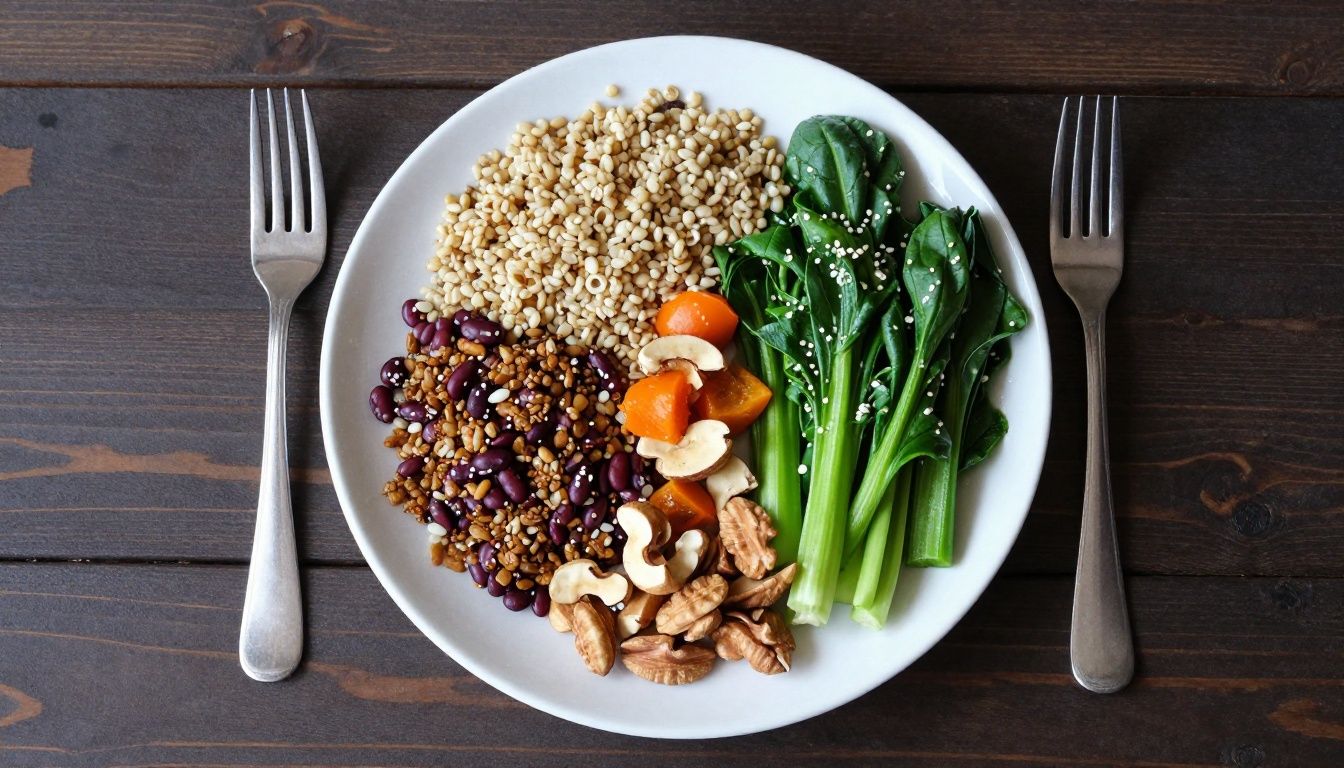
Building a meal plan doesn’t need to be complicated. Start by using a visual framework, such as the strategy found in Building a Healthy Plate at Every Meal, which emphasizes filling half your plate with colorful vegetables, a quarter with whole grains, and a quarter with plant-based protein. For breakfast, consider oatmeal topped with seeds, nuts, and berries. Lunch could be a hearty chickpea and quinoa salad with a lemon-tahini dressing.
For dinner, try a vegetable stir-fry using tofu, edamame, or tempeh, served over brown rice. If you are on a budget, dried beans and lentils are your best friends—they are inexpensive, shelf-stable, and incredibly versatile. Keep a stock of frozen vegetables in your freezer, which are just as nutritious as fresh and make getting a meal on the table very fast. For snacks, lean on fresh fruit, raw nuts, or hummus with carrot sticks. By keeping these staple foods available, you ensure that choosing a plant-forward option is always the easiest and fastest choice in your busy day.
Common Mistakes and Long-Term Tips
One common beginner mistake is removing animal products without replacing their specific nutrient profiles. For instance, if you cut out meat, ensure you are adding beans, soy, or nuts to provide the protein and zinc you were previously receiving. Avoid relying heavily on ultra-processed “meat alternatives” that are often loaded with sodium, saturated fats, and refined additives. Just because a burger is labeled plant-based does not mean it is a nutritional powerhouse.
Another mistake is eating too little overall. Because plant foods are often more voluminous and less calorie-dense, you might feel hungry but assume it’s part of the diet. Ensure you are eating enough healthy fats—like avocado, olive oil, and walnuts—to stay satisfied. Finally, be wary of becoming too restrictive with your choices. Sustainability requires balance. If you occasionally eat an animal-based product, don’t view it as a failure or a reason to quit. The long-term efficacy of a plant-based diet for beginners comes from the cumulative impact of your choices over weeks and months, not the perfection of a single day.
When to Speak With a Healthcare Professional
If you have chronic medical conditions like diabetes, kidney disease, or digestive disorders, it is vital to consult with a doctor or a registered dietitian before making drastic dietary changes. They can help you tailor your plan to ensure you meet your specific nutritional requirements safely. If you experience persistent bloating, fatigue, or other symptoms that do not resolve as your body adapts, or if you are considering major supplementation for B12 or other nutrients, professional guidance is essential. Medical experts can provide blood work to identify any potential deficiencies and ensure your new way of eating is helping, not hurting, your overall health.
Frequently Asked Questions
Do I need to be vegan to follow a healthy plant-based diet?
No, you do not need to be strictly vegan. Plant-based nutrition simply means prioritizing plants as the main part of your diet. Many people follow a flexitarian approach, which allows for the small, intentional inclusion of animal products while letting plants remain the star of the show.
Is it hard to get enough protein on a plant-based diet?
It is absolutely possible to get enough protein from plants. Foods like chickpeas, lentils, tofu, edamame, and quinoa are excellent sources. By maintaining a varied diet throughout the day, you will easily meet your nitrogen and amino acid requirements without needing to worry about complex protein combining at every meal.
How long does it take for my digestion to adjust to more fiber?
Everyone is different, but for most, the digestive system adjusts within a few weeks. The key is to increase your fiber intake gradually—adding more beans or vegetables slowly—and drink plenty of water. This helps prevent discomfort and allows your gut bacteria to comfortably adapt to the new diet.
What are the most important supplements for beginners?
Vitamin B12 is the primary nutrient of concern for those following a fully vegan diet. Other potential gaps depend on your specific intake, but you should discuss these with a doctor after reviewing your blood work, rather than guessing which minerals you might be missing in your daily routine.
Can plant-based eating save money on groceries?
Yes, it can be very budget-friendly. The most affordable staples—beans, lentils, whole grains, and seasonal vegetables—are the foundation of plant-based nutrition. By reducing reliance on expensive meats and prepared/frozen meals, you can build very nutritious, low-cost meals that fit almost any household budget while maintaining health.
Final Thoughts
Embracing plant-based nutrition for beginners is an exciting and empowering step toward better health. By focusing on whole, vibrant foods and making gradual changes, you can enjoy the many benefits of a fiber-rich, plant-forward lifestyle without feeling restricted. Remember that the goal is progress, not perfection; each plant-centered meal is a positive move toward feeling your best. Start small, experiment with new recipes, and listen to your body as it adjusts to these nourishing habits. With consistency and a focus on nutrient-dense staples, you will naturally build a sustainable eating pattern that supports your overall well-being for many years to come.
Related Articles
- The Fundamentals of Balanced Nutrition
- The Mediterranean Diet Explained: Why It’s Considered One of the Healthiest Diets in the World
- Healthy Eating on a Busy Schedule: Simple Nutrition Strategies That Work
- Nutrition Myths Debunked: Separating Fact from Fiction
- Understanding Food Labels: What to Look For
Lorem ipsum dolor sit amet, consectetur adipiscing elit. Ut elit tellus, luctus nec ullamcorper mattis, pulvinar dapibus leo.