In today’s fast-paced world, understanding how processed foods impact your health is essential for making informed dietary choices. Many people worry that any food found in a package is inherently bad, but the reality is much more nuanced. Food processing exists on a spectrum, and many convenient options can be part of a balanced diet. This guide will help you distinguish between categories of processed items, explain why ultra-processed products often warrant caution, and provide practical, sustainable steps to improve your nutrition without needing an extreme or restrictive approach.
Key Takeaways
- Food processing ranges from essential methods like freezing to industrial production of ultra-processed goods.
- Not all processed foods are unhealthy; items like canned beans and frozen vegetables can be nutritious staples.
- Ultra-processed foods are typically linked to higher intakes of added sugars, sodium, and refined fats.
- Nutritional quality matters more than just whether a food is processed; always check the ingredient label.
- Focus on gradual, realistic swaps rather than eliminating all convenience foods, which supports long-term health success.
What Are Processed Foods?
To better understand how processed foods impact your health, we must define what we mean by the term. Processing essentially refers to any change made to a raw agricultural commodity. This spectrum includes everything from washing and chopping to industrial manufacturing.
The Processing Spectrum
- Unprocessed or minimally processed foods: Items like fresh fruits, vegetables, nuts, or milk that retain their natural state, even if they have been cleaned or portioned.
- Processed culinary ingredients: Oils, butter, salt, and sugar extracted from whole foods to be used in cooking.
- Processed foods: These are foods altered slightly to extend shelf life or quality, such as canned beans, salted nuts, or fresh bread.
- Ultra-processed foods: These are often industrial formulations containing few whole-food components. They frequently include additives like emulsifiers, colors, and synthetic flavorings designed to appear hyper-palatable.
Why Processed Foods and Health Matter
It is common to assume that eating “processed” is a moral failing, but this oversimplification ignores the role of modern food technology. Methods like pasteurization, canning, and freezing allow for safer food supplies and easier access to nutrients year-round. However, problems arise when the diet relies too heavily on industrial products. Unlike whole foods, ultra-processed options are engineered for convenience and flavor, which can lead to overconsumption. Because these foods often lack fiber and protein while being dense in calories, they can displace nutrient-dense choices. By understanding food labels: what to look for, you can better evaluate whether a product is a helpful convenience or a source of unwanted additives.
Key Factors to Consider
When navigating the grocery store, it is helpful to look at the factors that differentiate nutritional quality. Not every manufacturer uses the same standards for production, and some “processed” items remain highly beneficial for busy lifestyles.
Nutrient Density vs. Calorie Density
A primary factor in assessing ultra-processed foods is their nutrient-to-calorie ratio. Many items in this category offer high energy through refined flour and added sugars but provide very few vitamins, minerals, or phytonutrients. These “empty” calories can leave you feeling hungry shortly after eating, even if your energy needs were technically met.
Additives and Their Role
Manufacturers use various additives to change the texture, shelf life, and appearance of food. While many are deemed safe by regulatory bodies, the sheer volume of these ingredients in a modern diet is a subject of ongoing research. Experts suggest that a diet high in processed foods and health concerns are often linked because these substances can alter the satiety signals that tell your brain when you are full.
Evidence-Based Strategies and Practical Steps
If you want to reduce your intake of ultra-processed items, you do not need to do so overnight. Focus on shifting your baseline toward whole foods while keeping convenient, healthy staples on hand. According to the Harvard T.H. Chan School of Public Health—Processed Foods and Health, focusing on diet quality is more effective than labeling individual foods as ‘good’ or ‘bad.’
- Read the ingredient list: If the first few ingredients include high-fructose corn syrup, refined oils, or ingredients you cannot pronounce, consider it a treat rather than a staple.
- Balance your plate: Use the principles found in building a healthy plate at every meal to ensure your meals are filled with fiber, lean protein, and healthy fats.
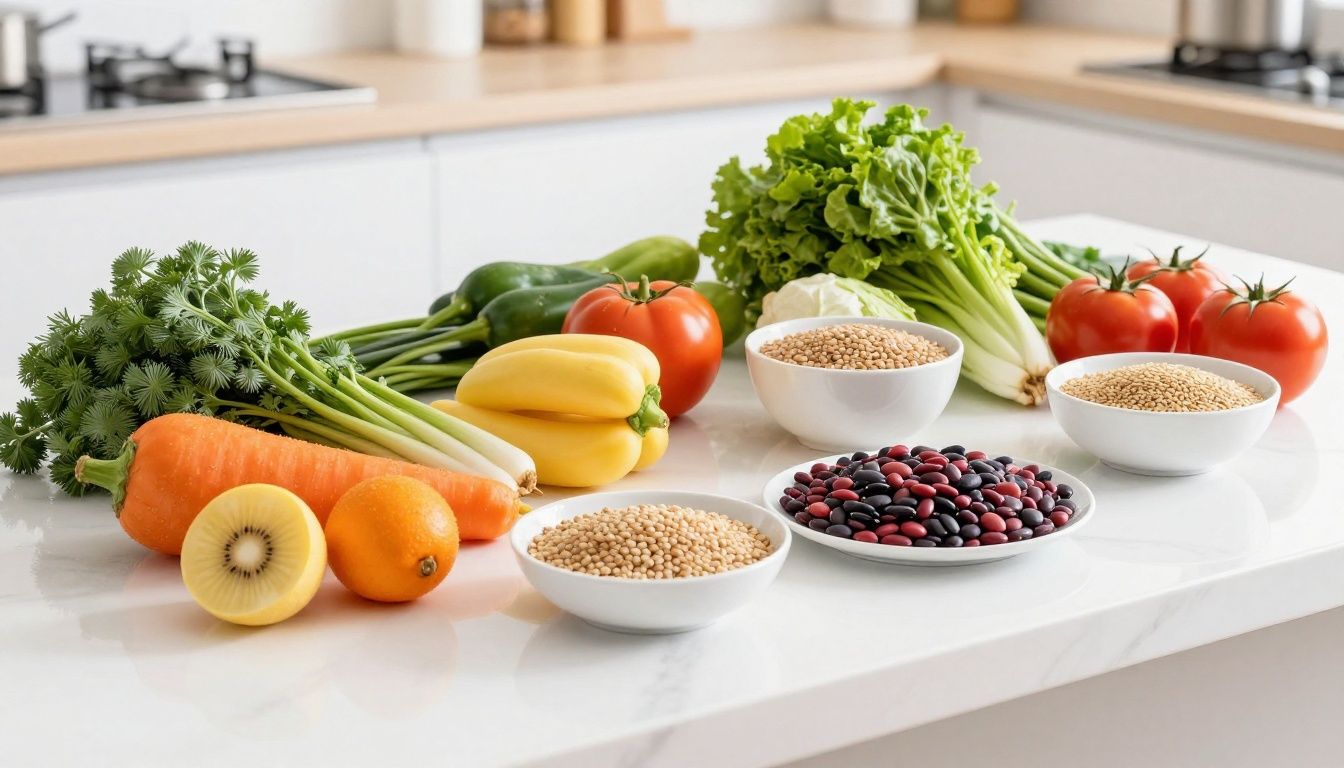
- Prioritize whole foods: Aim to make vegetables, fruits, legumes, and whole grains the majority of your grocery basket before reaching for convenience items.
Practical Examples for Beginners
Small, realistic changes lead to the best results. You don’t have to quit convenience foods; you just have to choose better versions. For instance, if you usually reach for a sugary fruit-flavored snack, try reaching for a piece of whole fruit or a handful of raw nuts instead. Instead of relying on instant noodles, keep canned beans or pre-cooked lentils in your pantry for a quick meal assembly. If you find your energy crashing after eating, remember that how sugar affects your body is often mediated by the absence of fiber, which is common in ultra-processed snacks. Simple swaps, like plain yogurt with fresh berries rather than pre-sweetened cups, allow you to control the quality of your intake while still enjoying easy, delicious meals.
Common Mistakes and Long-Term Tips
One of the biggest mistakes beginners make is taking an all-or-nothing approach. Trying to eliminate all processed food at once often leads to frustration and burnout. Instead, practice ‘habit stacking.’ If you decide to add more frozen vegetables to your dinner, pair it with a protein you already enjoy. Another trap is failing to recognize ‘health halos.’ Just because a snack bar is labeled as ‘natural’ or ‘organic’ does not mean it is low in sugar or high in fiber. Always flip the package and read the nutrition facts panel. Sustainability is key; focus on improving your diet one week at a time rather than seeking perfection. By building these habits slowly, you create a pattern of eating that is nourishing and realistic for your busy life.
When to Speak With a Healthcare Professional
If you notice persistent digestive issues, unexplained weight changes, or chronic fatigue, it is important to consult a healthcare professional. These symptoms can be related to diet, but they may also signify underlying medical conditions that require targeted treatment. Before making significant dietary changes, especially if you have chronic health conditions like diabetes, heart disease, or digestive disorders, professional guidance ensures your plan is safe and appropriate for your unique needs. Never replace medical advice with online guidance when managing clinical health problems.
Frequently Asked Questions
Is all processed food bad for me?
No, not all processed food is harmful. Many processing methods help us keep food safe and accessible. Items like canned vegetables, frozen fruits, and whole-grain breads are processed but can still contribute important nutrients that support your overall health and wellness.
How can I spot ultra-processed foods quickly?
Look for long ingredient lists filled with additives, emulsifiers, artificial flavors, and added sugars. Ultra-processed foods are typically engineered for long shelf life and high palatability, often lacking the original structure of whole grains, vegetables, or proteins found in their natural forms.
Can processing lead to digestive issues?
For some people, diets high in ultra-processed foods can negatively affect digestive comfort. These foods are often very low in fiber, which is necessary for bowel regularity. Replacing these with fiber-rich whole foods can support a healthier gut environment over time.
Do I have to give up all convenience foods?
Not at all. The goal is to focus on healthier choices and balance. Keeping some convenient items on hand is a great strategy for busy days. Just try to prioritize options that have minimal added sugars, lower sodium content, and a higher fiber count.
Is there a link between processed foods and mood?
Research suggests that diet quality can influence energy levels and mood. Foods high in refined sugars and fats can cause quick spikes and dips in blood sugar, which may affect your energy and focus. Stabilizing these levels with whole foods is generally better for consistent energy.
Final Thoughts
Ultimately, learning how processed foods impact your health is a journey toward building a more supportive relationship with your plate. You do not need to aim for a perfect, unprocessed diet to experience better energy, improved digestion, and long-term wellness. By emphasizing whole, nutrient-dense foods and making mindful choices about which convenience items you keep in your pantry, you can significantly enhance your nutritional intake. Start with one simple change, such as swapping out one snack or adding a serving of vegetables to your dinner. Focus on consistency over intensity, and remember that every positive choice contributes to your overall well-being. Keep it simple, eat mindfully, and enjoy the process of nourishing your body.