

Key Takeaways
Improving your digestive health is one of the most effective strategies for supporting your natural defenses and overall wellness. Here are five essential points to remember as you optimize your health:
- The gut houses about 70 percent of your total immune system.
- Microbial diversity acts as a filter preventing harmful pathogens from entering systemic circulation.
- Fiber-rich plant foods serve as the primary fuel source for beneficial bacteria.
- Chronic stress and poor sleep patterns significantly disrupt gut microbial balance.
- A healthy gut microbiome functions as a vital defense against illness throughout your lifetime.
The connection between your gut and immunity
Your digestive tract is much more than a simple food processing machine; it functions as a critical hub for your physical well-being. Keeping a balance in your gut microbiome supports systemic health and assists in maintaining your body’s natural resilience. By examining the basics of gut health, we can better understand how our daily choices impact this intricate network.
Recognizing the role of the gut microbiome
The trillion-strong community of microorganisms in your digestive tract helps train and regulate your immune defenses. Without this complex ecosystem, your body would struggle to distinguish between benign substances and dangerous pathogens, leading to unnecessary inflammation.
How gut lining acts as a physical barrier
Your intestinal wall is composed of a single layer of cells designed to act as a selective gatekeeper. When this barrier remains tight and resilient, it prevents unwanted toxins from entering your bloodstream, whereas damage to this lining often triggers an unwanted inflammatory cascade.
Communication between gut bacteria and immune cells
Research regarding the gut microbiome and immune system reveals constant signaling between your microbes and immune cells. These chemical messages dictate whether your body should mount a defense or remain in a state of rest, keeping your system calibrated appropriately.
Understanding the microbiome

Every individual carries a unique collection of bacteria, fungi, and viruses that evolve based on environment, diet, and lifestyle stressors. Understanding these patterns helps you make informed choices about your long-term wellness. Healthieme offers comprehensive gut health foundations to help you navigate these personal health factors and begin your journey toward greater stability.
Diversity in bacterial species
High microbial diversity is a hallmark of a robust digestive system because a wide variety of species allows for more efficient nutrient processing. When your gut hosts diverse bacteria, it creates an environment where no single harmful organism can dominate the landscape.
Factors that influence microbial balance
Dietary habits, environmental exposures, and medication usage act as the primary drivers of microbial composition. Small, intentional shifts in these areas can encourage positive growth within the bacterial populations that support your metabolism and immunity.
The impact of dysbiosis on immune function
When harmful bacteria outnumber helpful ones, your immune system often shifts into a state of hyper-alertness. This state of imbalance, or dysbiosis, is frequently linked to recurring inflammation that interferes with healthy cellular communication.
Nutrition for gut-supported immunity
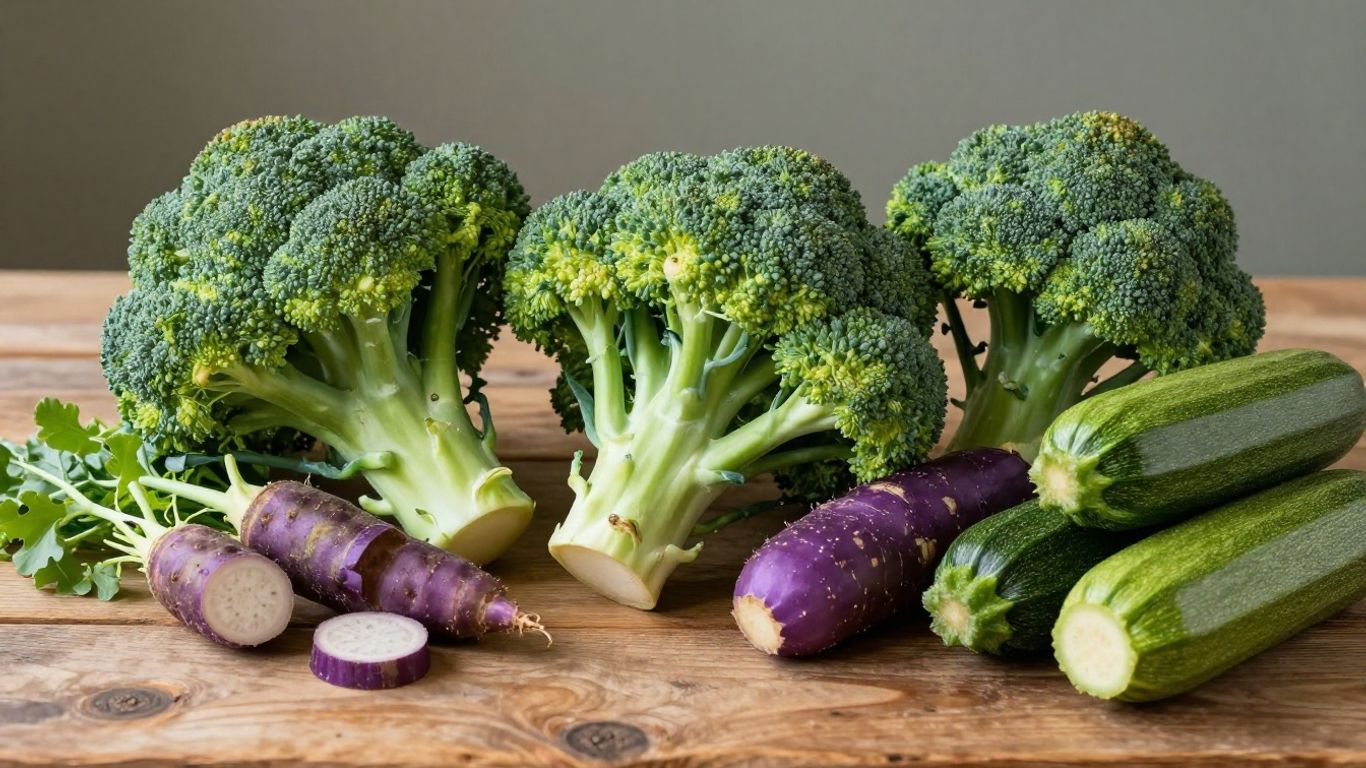
What you put on your plate every day directly dictates the future of your immune function. Focusing on whole, unprocessed ingredients provides the building blocks your body needs to maintain a healthy internal environment and defend itself against external stressors.
The role of fiber-rich plant foods
Consuming a fiber-rich diet provides essential roughage that keeps transit times consistent and feeds the good bacteria in your colon. These microbes break down fibers that human enzymes cannot touch, turning them into beneficial compounds that support a healthy gut lining.
Fermented foods and probiotics
Including live-culture foods in your diet can introduce helpful strains to your system, which may assist in crowding out unwanted pathogens. The table below illustrates common options for adding these beneficial items into your kitchen rotation:
| Food Type | Key Benefit | Typical Serving |
|---|---|---|
| Sauerkraut | Provides lactobacillus | 1-2 tablespoons |
| Kefir | Rich in diverse probiotics | 6-8 ounces |
| Miso | Supports digestive enzymes | 1 tablespoon |
Adding these items regularly encourages a thriving environment for your existing microbe colonies.
Limiting inflammatory processed foods
Highly processed items and excessive sugar intakes are known to negatively shift gut populations, often leading to increased gut permeability. Avoiding these triggers allows your immune cells to focus on protection rather than managing constant inflammation:
- Packaged snacks with artificial additives
- Excessive animal-derived saturated fats
- Refined white sugars and corn syrups
- Highly processed vegetable oils
Reducing these categories of food provides your digestive tract with the necessary space to heal.
Lifestyle habits that influence the gut-immune axis
Your Gut Health and Immune System connectivity is modulated heavily by the way you live your life. Addressing these non-dietary factors can bridge gaps that food alone may not be able to cover, helping you achieve lasting balance.
Managing chronic stress levels
The brain-gut connection ensures that your stress levels translate directly into digestive changes, often slowing down motility and altering acidity. Developing a mindfulness practice can help break this cycle, signaling to your gut that it is safe to function optimally.
The importance of consistent sleep patterns
Quality rest allows your body to perform essential maintenance on gut tissue and supports the circadian rhythm of your intestinal flora. When sleep becomes irregular, the communication between your gut bacteria and immune system can become fragmented.
Physical activity and microbial diversity
Regular movement, even at a moderate pace, encourages blood flow to the digestive organs and appears to promote a more diverse microbiome. Incorporating simple activities helps maintain the health markers discussed in the Healthieme collection.
Identifying signs of poor gut health
When your digestive system struggles, it usually sends subtle signals before developing into a larger issue. Paying attention to these early warnings allows you to intervene before your overall Healthieme quality shifts toward deeper discomfort.
Common digestive symptoms to monitor
Persistent bloating, unexplained gas, and irregular bowel movements characterize common digestive distress. These should be observed with an eye toward identifying specific food triggers or stress patterns.
Systemic signs of immune imbalance
Beyond the belly, frequent fatigue and recurring colds can be indicators that your microbiome is struggling to support your immune system. These systemic cues suggest that your gut needs additional nutritional and lifestyle support.
When to consult a medical professional
If you experience unintentional weight loss, blood in the stool, or debilitating abdominal pain, you should seek guidance from a doctor. These symptoms require expert assessment to rule out underlying clinical conditions beyond simple microbial imbalance.
Conclusion
By treating your gut as the central command post for your immunity, you can take meaningful steps toward a healthier life. Consistent attention to plant-based nutrition, stress regulation, and healthy habits will help maintain a strong, balanced internal environment that serves you for many years.
Frequently Asked Questions
Can stress directly inhibit your immunity through the gut?
Stress triggers the release of hormones that alter gut blood flow and reduce defensive mucus production, which in turn hinders your ability to fight external threats.
Do probiotics help everyone immediately?
Probiotics affect individuals differently based on their existing bacterial composition and current dietary intake, often requiring several weeks to show noticeable improvements.
Is it possible to fix gut health with exercise alone?
While exercise improves microbial diversity and motility, it is most effective when paired with a balanced, fiber-rich diet to ensure your bacteria have the fuel they need to thrive.
What are the most common foods that damage gut lining?
Frequent consumption of highly processed foods, sugary refined snacks, and fried items are generally associated with reduced mucus production and increased gut permeability.
Should I take tests to check my microbiome?
Home test kits can provide basic insights, but they often lack the clinical context needed to solve specific health issues, making symptoms tracking just as useful.
Does sleep deprivation affect immune cells directly?
Lack of sleep disrupts the regular maintenance cycles of the immune system and can keep the gut in a constant state of high alert, increasing sensitivity to inflammation.