
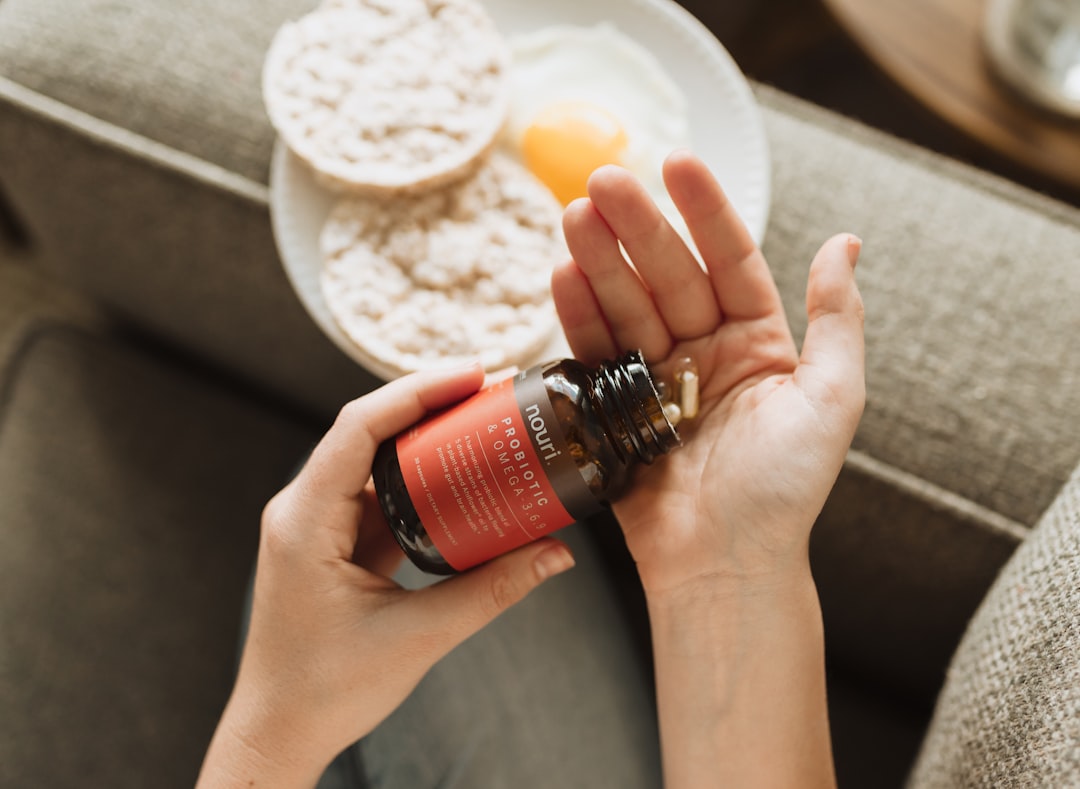
Probiotics are everywhere right now, and for good reason. Many people use them to support digestion, encourage healthy gut bacteria, and feel more comfortable day to day. But once you buy a bottle, the next question usually comes fast: when should you take probiotics to get the most benefit?
The short answer is that the best time to take probiotics depends on the product, the strains it contains, and the routine you can follow consistently. Some formulas are meant to be taken with meals, others before food, and some brands simply recommend the same time every day. What matters most is combining smart timing with steady daily use.
Introduction
Interest in probiotic supplements has grown because people want practical ways to support their gut without overcomplicating their routine. A healthy gut microbiome helps with digestion, interacts with the immune system, and influences how comfortably food moves through your system. That is why timing questions are so common, especially among people dealing with occasional bloating, irregularity, or post-meal discomfort.
Think of your gut like a garden. The beneficial microbes are the plants you want to support, while your daily habits act like the water, sunlight, and soil. A probiotic can be one helpful part of that system, but it usually works best when paired with a gut-friendly eating pattern such as the one covered in this beginner-friendly gut health diet plan.
What Are Probiotics and How Do They Support Gut Health?
Probiotics are live microorganisms that, when taken in adequate amounts, have been shown to provide a health benefit. In simple terms, they are selected strains of bacteria or yeast that may help support balance in the gut microbiome. According to the International Scientific Association for Probiotics and Prebiotics, the definition matters because not every product with live cultures qualifies as a true probiotic.
Your digestive tract naturally contains a huge mix of microbes. Some help break down food, some produce useful compounds, and some help maintain a healthy environment in the gut. When this ecosystem is better supported, many people notice steadier digestion and less day-to-day digestive frustration. If you are trying to understand the bigger picture, this guide to what gut health means can help connect the dots.
Maintaining a healthy balance of gut bacteria matters because your gut is involved in more than digestion alone. It also plays a role in nutrient handling, bowel regularity, and overall digestive resilience. That does not mean probiotic supplements are a cure-all. It means they may offer targeted support when they match your goals, your body’s unique signals, and the product’s intended use.
When Is the Best Time to Take Probiotics?
The best time to take probiotics is the time that fits both the product directions and your real life. Research suggests stomach conditions and food intake can affect probiotic survival, but the differences between products are important. That is why the label instructions should always come first, with daily consistency as your close second priority.
Taking probiotics before meals
Some probiotic supplements are labeled for use shortly before meals. The idea is that food is coming soon, which may create a more favorable environment than taking a capsule during a long empty stretch. However, this is not a universal rule, and not every strain or delivery system performs the same way.
Taking probiotics with meals
Many products recommend taking probiotics with food. One reason is that a meal can buffer stomach acidity, which may help more organisms survive the trip through the digestive tract. This is one reason people often see the phrase “take with a meal” on probiotic labels.
Taking probiotics in the morning
Morning can be a smart choice if you already have a set breakfast routine. Taking your supplement with breakfast, or as directed just before breakfast, makes it easier to build the habit. For many people, the best time to take probiotics is simply the part of the day they are least likely to forget.
Taking probiotics at night
Nighttime can work just as well if that is when you are most consistent. Some people prefer to take probiotic supplements with dinner, while others use them before bed if their product instructions allow it. There is no single perfect clock time that works for everyone. What matters is matching timing to the formula and sticking with it.
If you are comparing products and want a practical next step, HealthiMe has a helpful overview of the Top 5 Gut Health Supplements That Actually Work so you can see what to look for before you buy.
Should You Take Probiotics With Food or on an Empty Stomach?
For many people, taking probiotics with food is the more practical and commonly recommended option, because stomach acid can reduce survival of some strains. Some studies suggest survival may be better when probiotics are taken with a meal or shortly before one rather than on a fully empty stomach. Still, this is product-specific, so manufacturer directions matter more than general advice.
Stomach acid is one of the main reasons this question comes up. It is designed to break down food and limit unwanted microbes, which also means probiotic organisms must survive that environment before reaching the intestines. Some formulas use strains, capsules, or delivery systems designed to improve survival, while others rely more heavily on the timing of meals.
If the bottle says to take it with food, follow that. If it says “on an empty stomach,” follow that. If directions are vague, using it with a consistent meal is often easier for adherence. The most reliable rule for how to take probiotics is to respect the label first, then organize your day around that instruction.
Best Time to Take Probiotics for Different Goals
The best timing can shift slightly depending on what you want from probiotics, but the core strategy stays the same: use the right product, take it consistently, and give it enough time. Your goal helps shape the routine, not the other way around.
Supporting digestion
If your main goal is digestive support around meals, taking probiotics with breakfast or lunch may feel the most intuitive. Pairing the supplement with a regular meal also makes it easier to remember and may fit better if your product recommends food.
Reducing occasional bloating
For occasional bloating, timing alone is rarely the whole answer. A consistent daily routine matters more than chasing the perfect hour. It also helps to address meal size, eating speed, and trigger foods, especially if you often feel overly full or gassy after eating.
Supporting regularity
If regularity is the goal, many people do well taking probiotic supplements at the same time every day, often with breakfast or dinner. Regularity in your routine often supports regularity in your digestive habits too.
Maintaining overall gut health
For general maintenance, the best time to take probiotics is whichever time leads to long-term consistency. If you want to add targeted support to your routine, Healthieme can help you explore gut health supplements that fit broader digestive goals without relying on hype or unrealistic promises.
How to Take Probiotics Correctly for Better Results
Getting the most from probiotic supplements usually comes down to a few simple habits done well. You do not need a perfect routine. You need a repeatable one.
Take probiotics consistently. Missing days here and there is common, but daily use is usually more helpful than taking them only when symptoms flare.
Store supplements properly. Some probiotics are shelf-stable, while others need refrigeration. Check the label for storage instructions and expiration details before assuming all products are handled the same way.
Choose products with researched strains. Strain names matter. A product should clearly list the genus, species, and strain when available, not just a vague blend name.
Follow dosage recommendations. Taking more is not automatically better. Use the amount the manufacturer recommends unless your healthcare professional tells you otherwise.
Give probiotics time to work. Some people notice changes within days, while others need several weeks of steady use. If your goal is to improve digestion naturally, patience is part of the process.
Common Mistakes People Make When Taking Probiotics
Most probiotic frustration comes from a few repeat mistakes. The good news is that they are usually easy to fix once you know what to watch for.
Taking them inconsistently is the biggest one. If you only remember every few days, it becomes much harder to tell whether the product is helping.
Choosing low-quality products is another common issue. Labels should be clear, storage instructions should be specific, and the product should not rely on miracle-style claims.
Expecting immediate results can also lead to disappointment. Probiotics are not like an antacid that works the same day. They are better viewed as part of a longer-term gut support routine.
Ignoring diet and lifestyle habits is a major blind spot. Even the best probiotic supplements cannot do all the work if your eating pattern, stress load, hydration, and sleep are all working against your gut.
Foods That Support Probiotic Benefits

Food helps create the environment your gut bacteria live in, so supplements are only one piece of the picture. If you want to improve digestion naturally, pair probiotics with a diet that supports the microbiome instead of fighting against it.
Helpful foods include yogurt with live cultures, kefir, sauerkraut, and kimchi. These foods can add live microbes to the diet, though not every fermented food qualifies as a true probiotic. Fiber-rich foods also matter because they help feed beneficial bacteria already living in your gut.
Prebiotic foods deserve special attention. Foods such as onions, garlic, oats, beans, bananas, and asparagus provide fermentable fibers that help nourish healthy gut bacteria. For a simple science-based overview of probiotics and related gut health basics, the NIH Office of Dietary Supplements probiotic fact sheet is a strong place to learn more.
Create a Simple Daily Probiotic Routine Example

A simple routine works better than an ideal routine you never follow. The goal is to make probiotic use automatic and easy to repeat.
Morning routine: wake up, drink water, and eat a balanced breakfast with protein and fiber.
Meal timing: if your product suggests taking it with food, take it during breakfast. If it says before meals, place the bottle where you will see it 15 to 30 minutes before eating.
Supplement timing: use a phone reminder or keep the bottle next to something you never forget, like your coffee mug or lunch container.
Healthy gut-supporting habits: include fiber-rich foods, stay hydrated, walk after meals when possible, and keep your schedule steady enough that your digestive system knows what to expect.
If symptoms like bloating are part of the reason you started, Healthieme can help you sort through practical next steps and gut health supplements that align with your daily routine instead of complicating it.
Frequently Asked Questions
Should probiotics be taken every day?
Yes, most probiotic supplements are intended for daily use. Consistency usually matters more than whether you choose morning or night.
Can you take probiotics at night?
Yes, you can take probiotics at night if the product directions allow it. Nighttime can be a good option when it is easier for you to remember.
How long do probiotics take to work?
Some people notice changes within several days, but many routines need a few weeks to judge fairly. The product, your goal, and your broader habits all affect the timeline.
Can probiotics be taken with other supplements?
Many people take probiotics alongside other gut health supplements, but it is still smart to check the product label and ask a healthcare professional if you use several supplements or medications together.