

Key Takeaways
Protein is a cornerstone of overall vitality, serving as the literal building blocks for your cells, muscles, and organs. Understanding how this essential macronutrient functions can help you make more informed decisions about your daily diet and lifestyle.
- Essential Blocks: Protein is made of amino acids, nine of which must come directly from your food.
- Muscle Maintenance: Adequate protein prevents age-related muscle loss and repairs tissue after exercise.
- Metabolic Boost: Protein has a high thermic effect and regulates hunger hormones to keep you fuller for longer.
- Immune Strength: Antibodies and immune cells rely heavily on amino acids to defend against pathogens.
- Personalized Synergy: Daily requirements depend on your physical activity, age, and broad health goals.
The biological fundamentals of protein
To appreciate how protein functions in your body, you must first understand its structural makeup. Far from being a simple, singular substance, it is a complex organic compound that your body continuously breaks down and rebuilds. Let us look at how these elements are organized to support your general well-being.
What protein is made of
Protein is made up of smaller molecules called amino acids, which are often referred to as the building blocks of life. There are twenty distinct amino acids that combine in various sequences to create every protein structure in your body. Eleven of these can be synthesized internally by your liver, but the remaining nine are classified as essential amino acids. You must obtain these essential compounds directly through your daily diet, as your body cannot produce them on its own.
Complete versus incomplete protein sources
Dietary proteins are categorized based on their amino acid profiles. A complete protein contains all nine essential amino acids in the precise ratios your body requires. Protein is important, but it works best when it is part of a balanced meal that also includes vegetables, fiber-rich carbohydrates, and healthy fats. Most animal-based foods naturally fall into this category. In contrast, incomplete proteins lack one or more of these crucial building blocks, which is typical for many plant-based options. By understanding these profiles, you can strategically combine different plant foods throughout the day to ensure you are getting a full spectrum of amino acids.
How your body digests and absorbs protein
When you consume protein, your digestive system immediately goes to work. Stomach acid and specialized enzymes break the complex protein chains down into individual amino acids and small peptides. These are absorbed through the lining of your small intestine and transported into the bloodstream. From there, your liver directs them to the tissues that require immediate repair or synthesis. To maximize this process, learning how to build a healthy, balanced plate at every meal can help ensure you pair your protein with the right supportive nutrients.
Building and repairing muscle tissue
Your muscles are in a constant state of turnover, continuously breaking down and rebuilding throughout the day.

Role in muscle protein synthesis
Muscle protein synthesis is the physical process of building new muscle mass. When you consume protein, the sudden influx of dietary amino acids acts as a chemical signal that triggers this synthesis. Resistance training increases your body’s sensitivity to this signal, making the post-exercise period an ideal window to consume high-quality protein. Without a steady supply of these amino acids, your body cannot efficiently build or maintain skeletal muscle tissue.
Preventing muscle loss during age-related decline
As you grow older, your body naturally begins to lose muscle mass and strength, a progressive condition known as sarcopenia. Research indicates that keeping protein intake high is a key strategy for mitigating this decline. Older adults often require higher amounts of protein per kilogram of body weight compared to younger individuals to achieve the same muscle-stimulating benefits. Preserving this muscle tissue is vital for maintaining physical independence, balance, and joint stability as the years progress.
Assisting in tissue repair after exercise
During intense physical activity, microscopic tears develop within your muscle fibers. This micro-damage is an entirely normal part of training, but it requires prompt repair to facilitate recovery and strength gains. Protein acts as the primary recovery material, entering the damaged cells to mend the tears and fortify the tissue against future stress. Failing to consume enough protein after strenuous exercise can prolong muscle soreness and delay your overall recovery timeline.
Metabolic health and satiety
Managing your weight and energy levels is closely tied to the macronutrient composition of your daily diet.
Increasing the thermic effect of food
Every time you eat, your body must expend energy simply to digest, absorb, and process the nutrients in your meal. This physiological phenomenon is known as the thermic effect of food (TEF). Protein has a significantly higher thermic effect than carbohydrates or fats, meaning your body burns more calories processing it. Specifically, about 20% to 30% of the calories consumed from protein are expended during its digestion, giving your metabolism a natural, temporary boost.
To illustrate the metabolic differences, consider how various macronutrients compare regarding energy expenditure and digestion rates in the table below:
| Nutrient Type | Thermic Effect (TEF) | Main Digestive Site | Average Digestion Rate |
|---|---|---|---|
| Protein | 20% – 30% | Stomach & Small Intestine | Slow to Moderate |
| Carbohydrates | 5% – 15% | Mouth & Small Intestine | Fast |
| Fats | 0% – 3% | Small Intestine | Very Slow |
Selecting macronutrients with a higher thermic effect can subtly shift your daily energy expenditure, helping you manage your metabolic health over the long term without feeling constantly restricted.
Regulating appetite-controlling hormones
Protein influences several key hormones that communicate fullness signals to your brain. Protein can also help meals and snacks feel more satisfying, especially when paired with fiber and healthy fats. Consuming adequate protein reduces your circulating levels of ghrelin, which is the hormone responsible for triggering hunger feelings. At the same time, it boosts levels of satiety-inducing hormones like peptide YY and glucagon-like peptide-1 (GLP-1). This dual hormonal action helps eliminate intense cravings and prevents overeating later in the day.
Managing blood sugar levels throughout the day
Including protein in your foods slows down the absorption of carbohydrates, preventing rapid spikes in blood glucose. This glycemic stability keeps your energy levels steady and helps you avoid the dreaded afternoon energy crash. By focusing on how different nutrients affect your metabolic rate, you can utilize the science-backed benefits of protein to establish a sustainable weight management routine that supports your long-term wellness goals.
Enzyme function and hormonal health
Beyond muscle building, proteins serve as the primary structural materials for the microscopic machinery of your body.
Catalyzing essential chemical reactions
Enzymes are specialized proteins that act as biological catalysts, speeding up thousands of vital chemical reactions inside your cells. Processes like food digestion, cellular energy production, and DNA replication would happen too slowly to sustain life without these enzymes. Every single cell in your body relies on these precise protein configurations to carry out daily biochemical tasks efficiently.
Synthesizing peptide hormones for body regulation
Many of your body’s essential chemical messengers are peptide hormones, which are constructed from amino acid chains. These hormones travel through your bloodstream to coordinate vital activities between different organs. For example, insulin and glucagon regulate your blood glucose levels, while growth hormone supports tissue development. A steady supply of dietary amino acids ensures that your endocrine system has the necessary raw materials to synthesize these vital messengers.
Maintaining fluid and electrolyte balance
Proteins play an active role in regulating the fluid levels inside and around your cells. Serum proteins, such as albumin, generate osmotic pressure that keeps water balanced within your blood vessels rather than leaking into surrounding tissues. When protein intake is severely deficient, this delicate balance is disrupted, which can lead to fluid accumulation and swelling in the extremities.
Supporting immune system function
Your immune system is a complex defense network that requires a constant supply of resources to run smoothly.
Developing antibodies to combat pathogens
Antibodies are specialized proteins produced by your immune system to identify and neutralize foreign invaders like bacteria and viruses. When you encounter a pathogen, your body rapidly synthesizes these customized proteins to bind to the invader and mark it for destruction. Without a sufficient pool of circulating amino acids, your body’s ability to mount a rapid and effective antibody response is significantly compromised.
Producing specialized proteins for cell repair
When your body is fighting an active infection or healing a wound, it undergoes a rapid cellular restructuring. Immune cells must divide quickly, and damaged tissues must be cleared away and replaced. This entire healing response requires a massive mobilization of amino acids to synthesize new structural proteins, signaling molecules, and protective enzymes that facilitate tissue recovery.
Understanding the link between deficiency and immunity
A chronic lack of dietary protein is closely linked to a compromised immune response, leaving you more vulnerable to common infections. To support this vital internal defense system, prioritizing your digestive system is equally essential, as you can see by reading about the connection between gut health and immunity to discover how a balanced microbiome works alongside your dietary intake to protect your body. When your gut lining is healthy, your body absorbs amino acids more efficiently, further reinforcing your immune resilience.
Determining your optimal daily intake
Knowing how much protein to consume daily can help you customize your dietary habits to match your unique lifestyle.
Calculating protein based on activity levels
The baseline recommendation to prevent deficiency is 0.8 grams of protein per kilogram of body weight, but active individuals typically require much more. Physical activity increases your metabolic rate and muscle damage, raising your daily requirements. To optimize your intake, look at these standard recommendations based on active lifestyles:
- Sedentary lifestyle: 0.8 grams per kilogram of body weight.
- Moderately active lifestyle: 1.2 to 1.5 grams per kilogram of body weight.
- Highly active lifestyle or strength training: 1.6 to 2.2 grams per kilogram of body weight.
By adjusting these numbers to fit your personal routine, you can ensure your body has the exact resources it needs to recover after physical activity.
Adjusting requirements for weight loss or muscle gain
Your specific fitness goals dictate whether you should lean toward the higher end of the protein spectrum. If you are aiming for weight loss, a higher protein intake is critical to protect your lean mass and avoid fat-free tissue loss. If your goal is muscle gain, combining high protein intake with consistent resistance training is necessary to keep your body in a positive nitrogen balance. Consuming adequate protein supports healthy body composition by ensuring your body burns stored fat rather than valuable muscle tissue for energy.
Choosing high-quality plant and animal sources
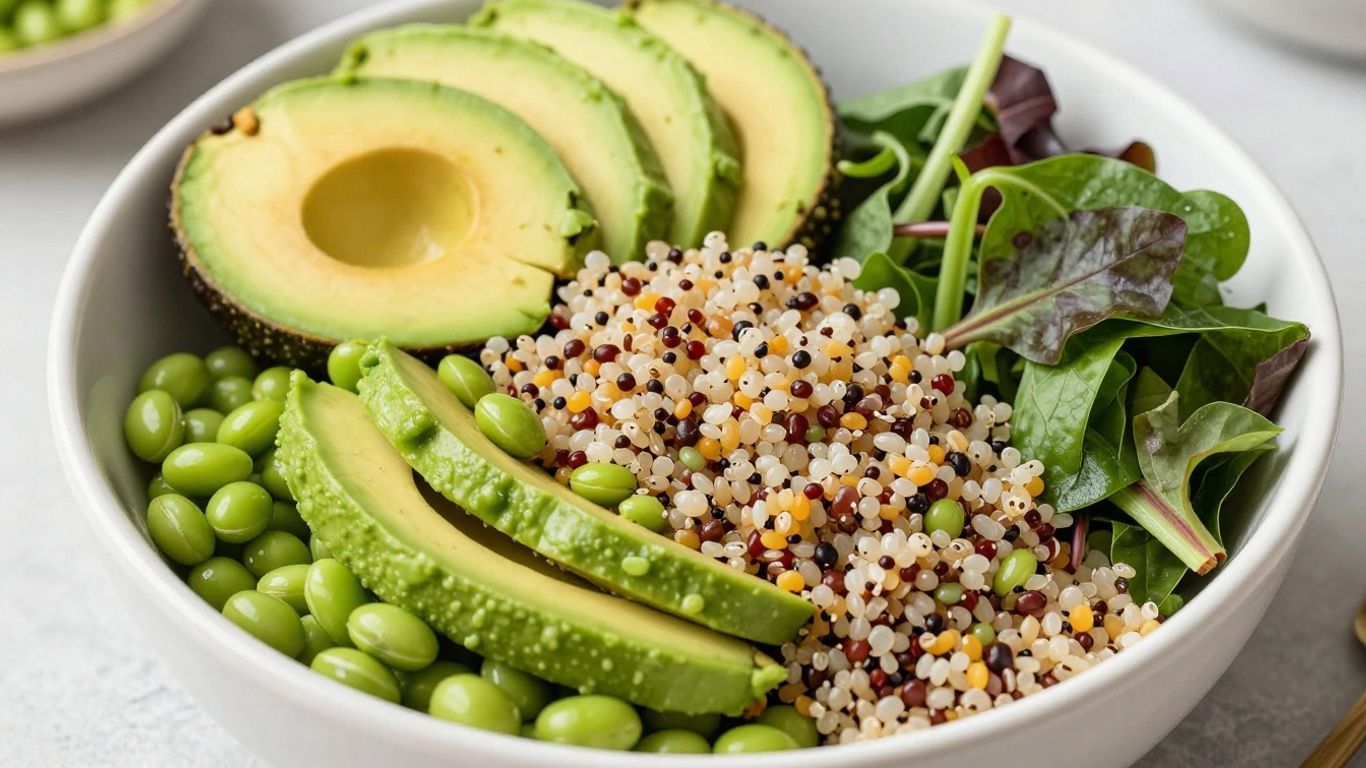
Evaluating the environmental footprint and nutrient profile of your protein sources is an important step in building a sustainable diet. While animal sources provide highly bioavailable, complete proteins, integrating plant-based proteins offers beneficial fiber and phytonutrients. Plant-based protein sources such as beans, lentils, tofu, nuts, and seeds can also support a healthy eating pattern. Balancing both sources allows you to meet your daily needs while promoting excellent digestive health.
Conclusion
Protein is a fundamental macronutrient that supports everything from muscle repair and metabolic health to hormonal balance and immune defense. By focusing on your daily intake and selecting a diverse range of high-quality protein sources, you can actively feed your body’s cellular machinery and improve your long-term vitality. Remember that a balanced approach, combined with healthy lifestyle habits, is always the most sustainable path to optimal health.
Frequently Asked Questions
Can you eat too much protein in a single day?
While your body can process higher amounts of protein, consuming excessive quantities far beyond your daily requirements is generally unnecessary. Any excess protein that your body cannot utilize for tissue synthesis or energy production is broken down, and the components are either excreted through urine or stored as body fat.
Is plant protein as effective as animal protein for building muscle?
Yes, plant protein can be highly effective for building muscle, provided you consume a wide variety of sources to ensure you get all the essential amino acids. For best results, protein should be balanced with fiber-rich foods that support digestion and help you feel full longer. Plant-derived proteins may have slightly lower bioavailability, so plant-based athletes often need to consume a slightly higher total volume of protein.
How does protein support healthy weight loss?
Protein supports weight loss by increasing satiety and elevating the thermic effect of food, which helps you burn slightly more calories during digestion. Additionally, a high-protein diet preserves lean muscle tissue while you are in a caloric deficit, ensuring that the weight you lose comes primarily from fat stores.
What are the symptoms of a protein deficiency?
A mild protein deficiency can manifest as persistent fatigue, muscle weakness, slow wound healing, and frequent infections due to weakened immunity. More severe deficiencies can cause visible muscle wasting, thinning hair, brittle nails, and fluid retention or swelling in the lower limbs.
Should I consume protein immediately after a workout?
While consuming protein shortly after exercise is beneficial for initiating muscle repair, the total amount of protein you consume throughout the entire day is more important for recovery. Aiming to distribute your protein intake evenly across your meals is generally more effective than focusing solely on the post-workout window.
Do older adults need more protein than younger people?
Yes, older adults generally require more protein to counteract the natural, age-related loss of muscle mass known as sarcopenia. Consuming higher amounts of high-quality protein helps stimulate muscle protein synthesis more effectively in aging tissues, preserving overall strength and mobile independence.
Can protein intake affect your bone health?
Yes, adequate protein intake is crucial for maintaining bone density and strength. Because protein makes up a significant portion of your bone mass, consuming enough of it works synergistically with calcium and vitamin D to keep your skeletal system strong and resilient as you age.