
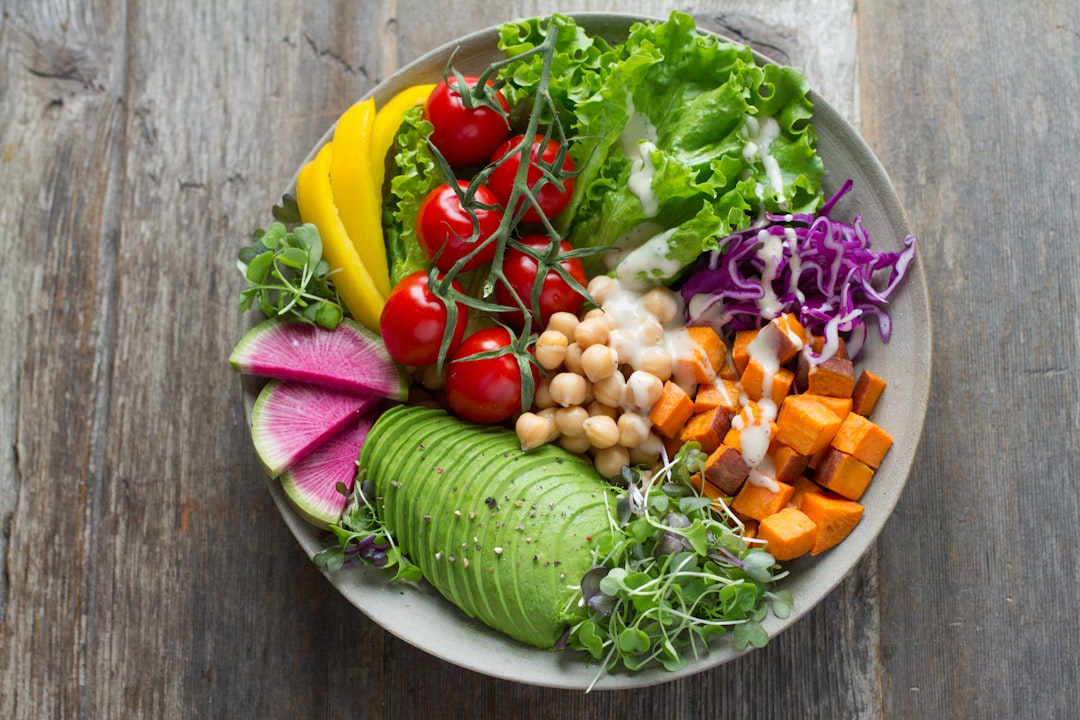
Gut-friendly eating does not need to be extreme to be effective. A simple 7-day gut health diet plan can help you build more consistent meals, add fiber at a pace your body can handle, and test fermented foods carefully instead of forcing them in all at once.
If you have been dealing with bloating, irregular digestion, or food confusion, you already know how easy it is to feel stuck. The good news is that a beginner plan works best when it stays practical. Rather than cutting out everything you enjoy, the goal is to add more fiber-rich whole foods, include enough fluids, and keep meals simple enough to repeat.
Research from trusted institutions like the NHS and Johns Hopkins Medicine consistently supports a pattern built around fiber, whole foods, and hydration for better digestive function. Fermented foods can be helpful for some people too, but they are not mandatory, and they should only be added when tolerated. This 7-day gut health diet plan provides a simple starting point for building more digestion-friendly eating habits. Before starting the meal plan, it helps to understand what gut health means and how everyday food choices may support digestion.
How this 7-day gut health diet plan works
This plan is designed for beginners who want structure without overwhelm. Each day includes breakfast, lunch, dinner, and one snack so your meals feel balanced, repeatable, and realistic for a normal week.
The overall approach is simple. You will focus on foods that naturally support digestive wellness, including oats, fruit, vegetables, legumes when tolerated, nuts and seeds in manageable portions, and minimally processed proteins. You will also increase fiber gradually rather than jumping from a low-fiber routine to a very high-fiber one overnight. Research highlighted by the National Institute of Diabetes and Digestive and Kidney Diseases explains how diet and the gut microbiome are connected.
That gradual approach matters. When fiber goes up too fast, gas, cramping, and bloating often follow. Many people do better when they increase fiber over 2 to 4 weeks while also drinking more water consistently.
Before you start: a simple prep routine
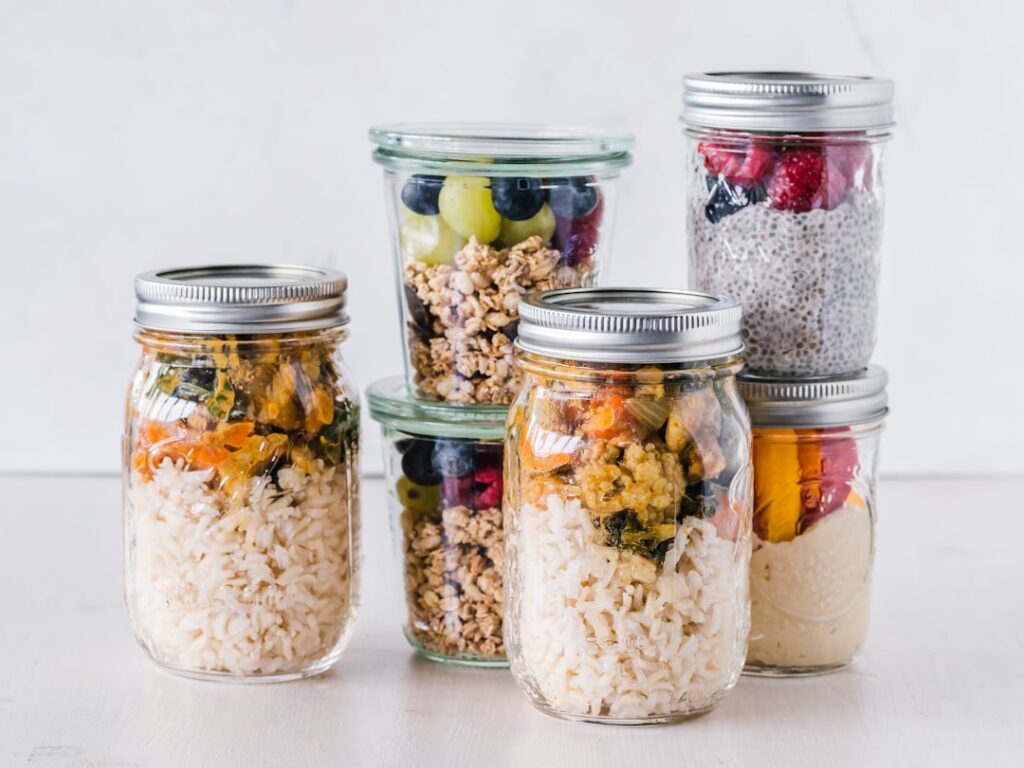
A little preparation makes this week much easier. You do not need a full meal-prep Sunday, but you will save time if you wash produce, cook a grain, and prepare one or two proteins before day one.
What to prep in advance
Start with a few basics you can mix and match through the week.
Cook a batch of oats, brown rice, or quinoa. Roast a tray of vegetables like carrots, zucchini, bell peppers, or sweet potatoes. Prepare a simple protein such as baked chicken, tofu, eggs, or salmon. Wash berries, slice cucumbers, and portion nuts or seeds into snack containers.
If fermented foods usually sit well with you, keep a small container of plain yogurt or kefir on hand. If they tend to trigger bloating, skip them for now. Your body does not need to tolerate every “healthy” food for your meals to support gut health.
How to increase fiber without overdoing it
The easiest strategy is to increase one meal at a time. If your usual breakfast is low in fiber, begin there by adding oats, chia seeds, berries, or kiwi. Once that feels comfortable, add an extra vegetable to lunch or dinner.
Aim for steady progress, not perfection. If your current diet is very low in fiber, even one extra serving of produce per day is a meaningful start. Soluble fiber sources like oats, chia, and some fruits often feel gentler for beginners than large amounts of bran or raw cruciferous vegetables.
Hydration matters more than most people think
Fiber works best when there is enough fluid in your system. Without that, increasing fiber can leave you feeling more backed up or bloated. Keep a water bottle nearby, sip regularly through the day, and include soups, fruit, and hydrating foods when helpful.
A practical target for most beginners is to drink water consistently with meals and between meals rather than chasing a perfect number. If you are active, live in a hot climate, or already eat a high-fiber diet, you may need more.
7-day gut health diet plan
Each day below gives you a full menu idea, but it is flexible. You can swap proteins, repeat meals you enjoy, and adjust portions based on your appetite. The most helpful plan is the one you can actually stick with.
7-day gut health diet plan key phrase
Day 1
Day one should feel easy and familiar. The goal is to begin with gentle fiber sources and balanced meals instead of starting with the most ambitious “clean eating” version of yourself.
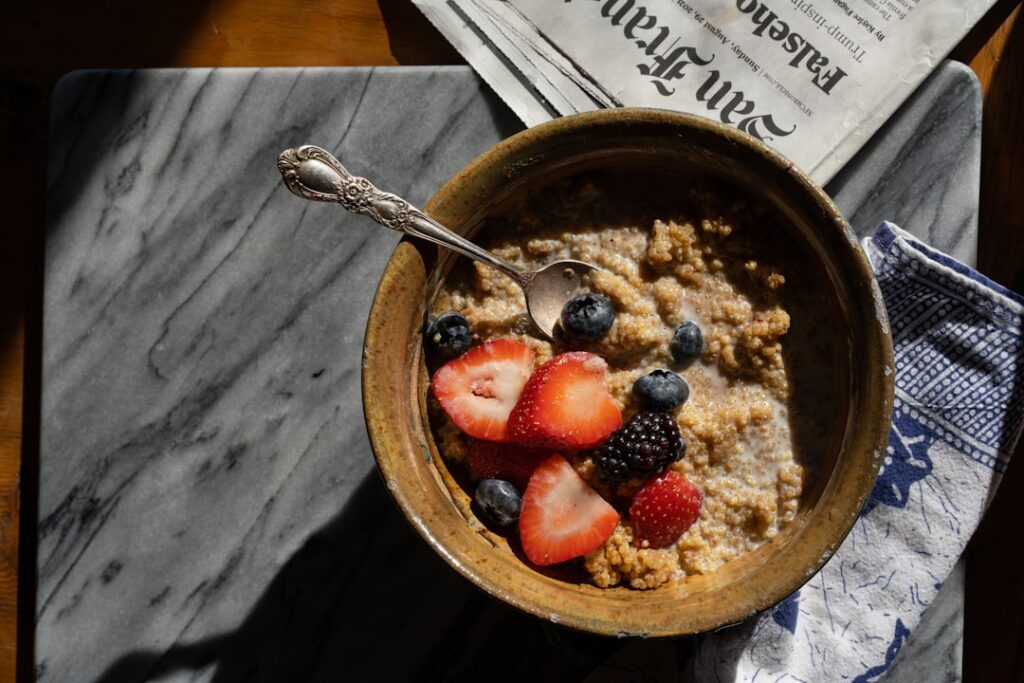
Breakfast: Cooked oats with chia seeds, blueberries, and a spoonful of peanut butter.
Lunch: Brown rice bowl with grilled chicken, roasted carrots, spinach, and olive oil.
Dinner: Baked salmon with sweet potato and steamed green beans.
Snack: Banana with a handful of walnuts.
If you tend to bloat easily, keep vegetable portions moderate at first and favor cooked vegetables over large raw salads.
Day 2
Day two adds variety while keeping digestion in mind. Repeating a few ingredients is not boring here; it is efficient, affordable, and often easier on your stomach than constant novelty.
Breakfast: Plain yogurt with strawberries, oats, and ground flaxseed. If yogurt does not agree with you, use a lactose-free yogurt or a dairy-free option with simple ingredients.
Lunch: Turkey and avocado wrap in a whole grain or gluten-free wrap with cucumber on the side.
Dinner: Quinoa with baked tofu or chicken, sautéed zucchini, and roasted bell peppers.
Snack: Kiwi and a small handful of pumpkin seeds.
If fermented dairy feels fine, this can be a good day to test a small portion. If not, skip it without guilt.
Day 3
The first few days of this 7-day gut health diet plan focus on variety, fiber-rich foods, and balanced meals.
By day three, you can build on your momentum without making meals more complicated. This is often a good point to notice how your body responds to meal timing, fluid intake, and portion size.
Breakfast: Overnight oats with chia seeds, raspberries, and cinnamon.
Lunch: Lentil soup with a side of cooked vegetables and a slice of whole grain or sourdough toast if tolerated.
Dinner: Stir-fry with rice, shrimp or tofu, bok choy, carrots, and ginger.
Snack: Apple slices with almond butter.
If beans or lentils are new to you, start with a smaller serving. Canned lentils or beans that have been rinsed well may feel easier for some people.
Day 4
Day four keeps the plan balanced and emphasizes foods that are easy to batch cook. Midweek is where consistency starts to matter more than motivation.
Breakfast: Scrambled eggs with sautéed spinach and a side of oatmeal or whole grain toast.
Lunch: Leftover salmon or chicken over quinoa with cucumber, greens, and olive oil dressing.
Dinner: Turkey meatballs with brown rice or polenta and roasted zucchini.
Snack: Plain kefir in a small portion with berries, only if tolerated. Otherwise, choose a rice cake with peanut butter.
This is also a good day to check your hydration habits. If your fiber intake is climbing but your water intake is not, make that adjustment now.
Day 5
Day five can include a little more flavor without turning into a cheat-day mindset. Gut-supportive eating works better when it feels satisfying, not restrictive.
Breakfast: Smoothie made with spinach, frozen berries, oats, chia seeds, and lactose-free milk or unsweetened plant milk.
Lunch: Baked potato topped with cottage cheese or lactose-free cottage cheese, plus steamed broccoli if tolerated.
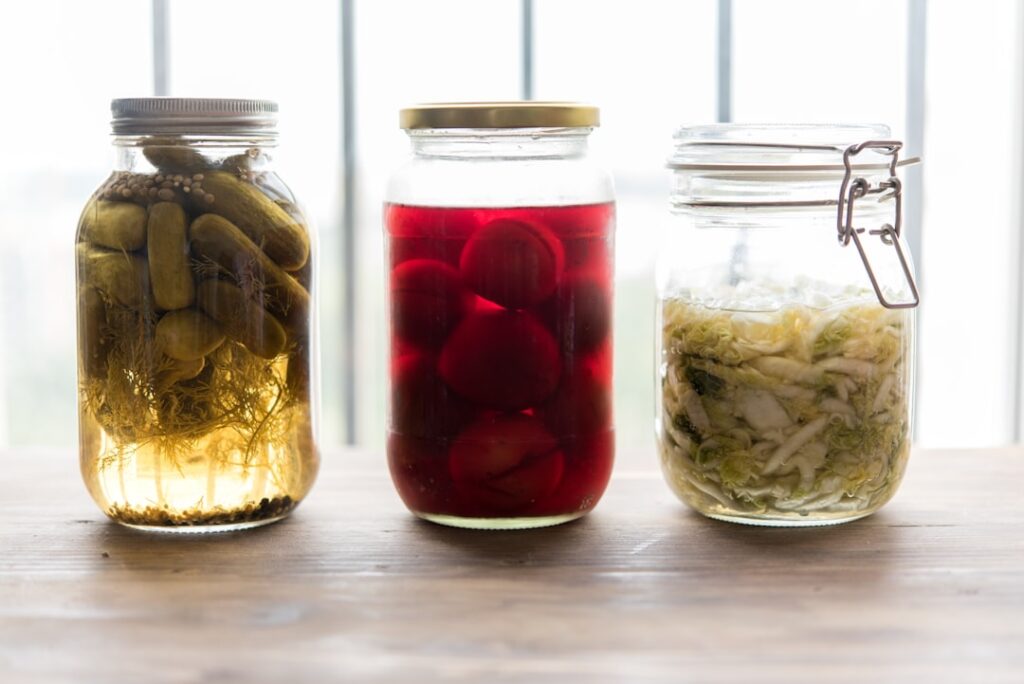
Dinner: Grilled chicken thighs with rice and roasted carrots, plus a small serving of sauerkraut if fermented vegetables work well for you.
Snack: Orange and a few almonds.
If broccoli, cabbage, or fermented vegetables make you feel worse, swap them for gentler cooked vegetables like green beans, carrots, or peeled zucchini.
Day 6
Day six leans on easy combinations you can reuse beyond this week. That matters because long-term digestive support usually comes from repeatable habits, not one perfect seven-day stretch.
Breakfast: Warm oats topped with sliced banana, flaxseed, and cinnamon.
Lunch: Grain bowl with brown rice, chickpeas or chicken, roasted sweet potato, spinach, and tahini dressing.
Dinner: Baked cod or tofu with mashed potatoes and sautéed green beans.
Snack: A small bowl of yogurt with kiwi, or a dairy-free alternative if needed.
If chickpeas are hard on your digestion, reduce the portion or replace them with a simpler protein. You are not failing the plan by making it gentler.
As you complete the 7-day gut health diet plan, notice which foods leave you feeling satisfied and comfortable.
Day 7
Day seven should feel calm, not complicated. The aim is to finish the week with meals you would realistically want to repeat next week.
Breakfast: Chia pudding or oatmeal topped with blueberries and sunflower seeds.
Lunch: Simple soup and salad combo, such as vegetable soup with a small chicken salad or a grain-based salad with cooked vegetables.
Dinner: Roast chicken or baked tofu with quinoa and roasted mixed vegetables.
Snack: Pear with peanut butter, or a small serving of kefir if you know it agrees with you.
Take a minute at the end of the week to notice what felt best. The meals that gave you steadier energy and calmer digestion are often the ones worth repeating first.
Sensible substitutions for common food sensitivities
You do not need to force foods that clearly do not work for you. A beginner-friendly gut plan should be adaptable enough to support your body, not punish it.
If dairy is an issue, try lactose-free yogurt, lactose-free milk, kefir (if tolerated), or an unsweetened fortified plant milk. If gluten is a problem, use oats labeled gluten-free, rice, quinoa, potatoes, or gluten-free wraps instead of standard bread or pasta.
If beans trigger discomfort, start with smaller amounts of lentils or canned beans that have been rinsed well, or replace them temporarily with eggs, fish, chicken, tofu, or tempeh if tolerated. If raw vegetables feel rough, choose cooked versions first. Steamed, roasted, and sautéed vegetables are often easier for beginners than large salads.
If high-FODMAP foods tend to bother you, keep onions, garlic, large portions of beans, some dairy products, and certain fruits on your watch list. You do not need to remove everything automatically, but paying attention to your own patterns can help you make smarter swaps.
How to make this plan easier to follow
The best diet plan is the one that fits real life. Keep the routine light, repeat ingredients often, and build around meals that need minimal decisions during a busy week.
Use a simple meal formula
Try building meals from four parts: a fiber source, a protein, a produce choice, and a fat. For example, oats plus yogurt plus berries plus chia. Or rice plus salmon plus green beans plus olive oil. This keeps meals balanced without requiring a strict recipe every time.
Repeat breakfasts and lunches
Many people do better when they rotate two breakfasts and two lunches during the week. Repetition reduces stress, lowers grocery waste, and makes it easier to spot which foods help or aggravate your digestion.
Track tolerance, not just calories
A quick note on your phone can go a long way. Jot down which meals felt satisfying, which ones caused bloating, and whether hydration, stress, or meal timing played a role. Your gut microbiome is unique, so your most useful data is often your own day-to-day response.
If you’re experiencing these symptoms, our team at Healthieme can help.