
Better digestion usually starts with a few repeatable habits, not a complete diet overhaul. If you feel bloated, irregular, or drained after meals, improving gut health naturally means giving your digestive system steadier support through food, hydration, sleep, stress management, and daily consistency.
Your gut works like an ecosystem. The bacteria living in your digestive tract help break down food, support immune function, and influence how your body responds to everyday stressors. According to the National Institute of Diabetes and Digestive and Kidney Diseases, bacteria in the GI tract help with digestion, which is one reason small daily choices can affect how you feel over time.
At Healthieme, we see the same pattern again and again: people often feel less overwhelmed when they focus on one meal, one habit, and one symptom at a time. You do not need to be perfect. You need a realistic plan your body can actually tolerate and your schedule can actually support.
What does it really mean to improve gut health naturally?
Improving gut health naturally means supporting digestion and the gut microbiome through everyday habits that help your body function more smoothly. In practical terms, that usually means eating more fiber-rich whole foods, staying hydrated, sleeping enough, and reducing the things that repeatedly trigger symptoms.
If the term still feels vague, start with the basics. A healthier gut often looks like more regular bowel movements, less bloating after meals, steadier energy, and fewer dramatic swings between constipation and urgency. That does not mean every symptom disappears overnight. It means your body starts sending calmer signals more often.
If you want a simpler foundation before changing your routine, our guide on what gut health is and why it matters breaks down the basics in plain language.
Start with food your gut can use consistently
The most reliable place to begin is your plate. Your digestive system responds better to consistent, balanced meals than to extremes like skipping meals, swinging between restriction and overeating, or suddenly adding huge amounts of fiber in a day.
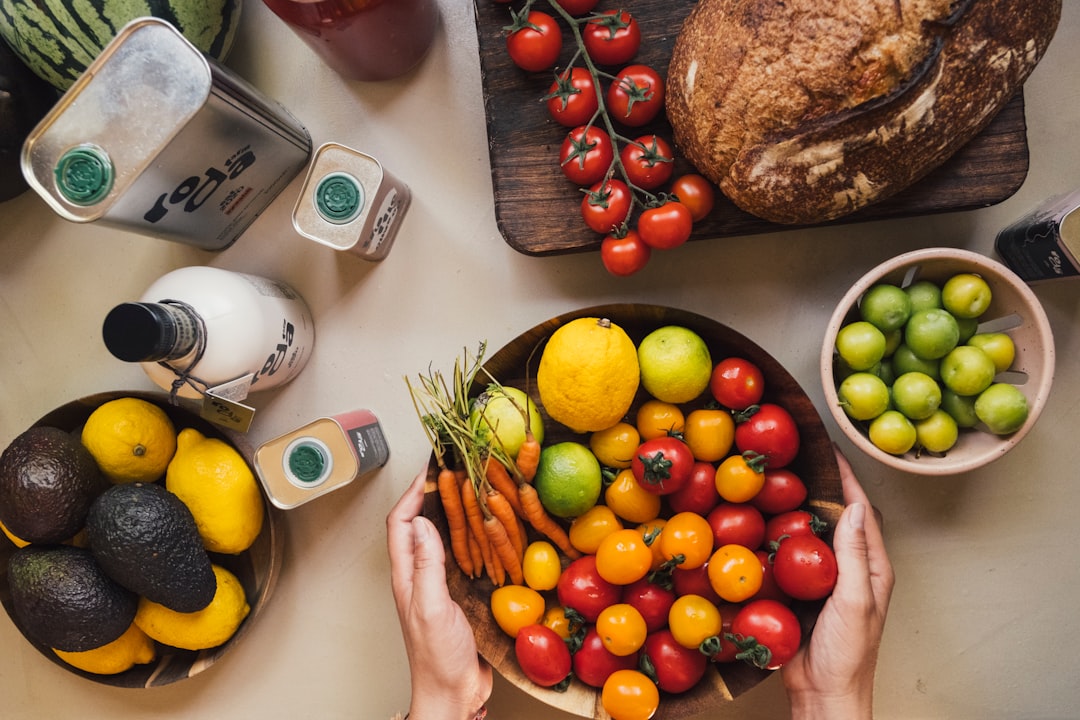
Think of your gut like a garden. The beneficial bacteria are the plants you want to grow, and the food you eat acts like fertilizer. Whole grains, beans, fruit, vegetables, nuts, seeds, and other minimally processed foods can help create a more supportive environment for those microbes. For many people, though, the smartest move is to add these foods gradually so the increase in fiber does not backfire with more gas or cramping.
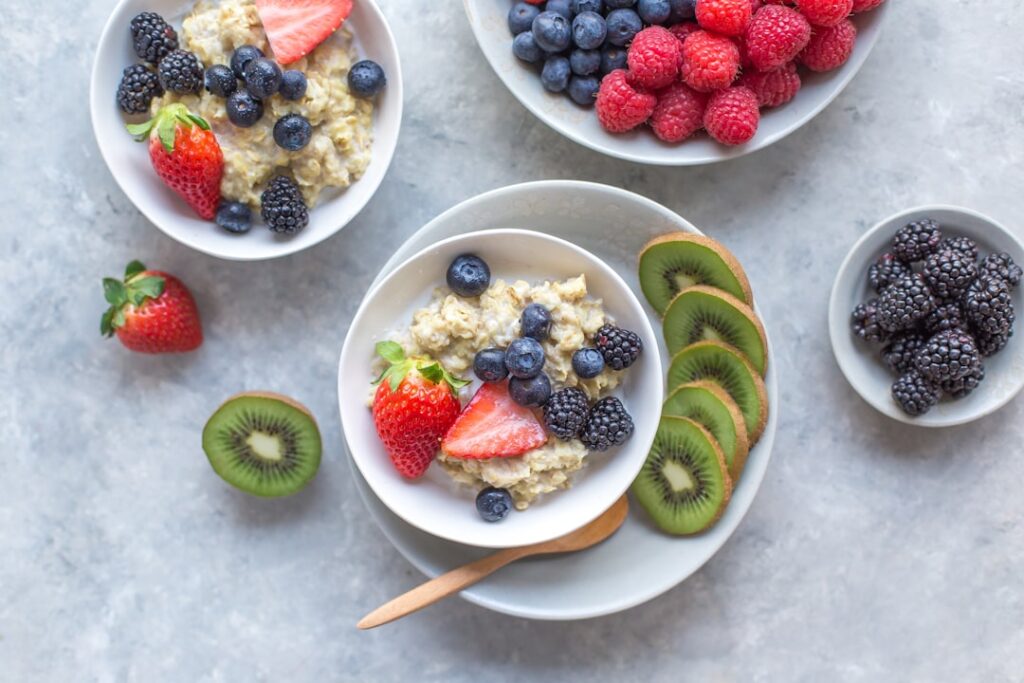
A simple meal pattern works well for beginners: choose a fiber source, add a protein, include a cooked or raw produce option you tolerate well, and finish with a healthy fat. Oatmeal with berries and chia seeds, rice with salmon and green beans, or yogurt with fruit and flax can all fit that pattern. If your gut is sensitive, cooked vegetables may feel easier than large salads, and smaller portions of beans may work better than jumping straight into heavy legume-based meals.
If meal planning feels confusing, our 7-day gut health diet plan for beginners shows how to build a practical week of digestion-friendly meals without making food stressful.
Why fiber helps, and why going too fast can feel worse
Fiber is one of the most useful tools for gut support, but more is not always better on day one. Increasing fiber too quickly can leave you feeling more bloated, more gassy, and less motivated to continue, especially if your current diet is low in plant foods.
That is why the gentlest approach usually works best. Add one fiber-rich food to one meal first. Maybe that means oats at breakfast, berries with a snack, or one extra vegetable at dinner. Once your body adjusts, build from there. Consistency matters far more than perfection, and a gradual increase often gives your digestive system time to adapt.
Soluble fiber sources such as oats, chia seeds, flax, and some fruits often feel easier for beginners than suddenly eating large portions of bran cereals or raw cruciferous vegetables. Your body’s unique signals matter here. If one “healthy” food leaves you miserable, that does not mean you are failing. It means your plan needs to be personalized.
Hydration is one of the most overlooked gut habits

If you increase fiber without increasing fluids, your gut may not thank you for it. Water helps move food and waste through the digestive tract more comfortably, which is one reason hydration supports regularity and can make a higher-fiber routine easier to tolerate.
You do not need to obsess over a perfect number of ounces. A more useful habit is drinking consistently throughout the day, especially with meals and between meals. Carrying a water bottle, pairing water with snacks, and starting the morning with a glass of water are simple ways to make the habit automatic. Soups, fruit, and water-rich vegetables can help too.
If constipation is part of your pattern, this basic step matters even more. Fiber and fluids work together. One without the other can make digestion feel more sluggish rather than less.
Stress and sleep shape digestion more than people expect

Your gut does not operate in isolation. Stress, rushed eating, poor sleep, and an overloaded routine can all change how your digestive system behaves, even when your food choices are relatively solid. Many people notice that symptoms flare during busy weeks, travel, or emotionally draining periods.
This is part of the gut-brain connection. When your nervous system stays revved up, digestion can become more reactive. That may show up as bloating, stomach discomfort, irregular bowel movements, or appetite changes. Improving gut health naturally often means lowering the total stress load on your body, not just swapping ingredients on your plate.
Start small. Slow down while eating. Take a short walk after meals. Set a more consistent bedtime. Reduce late-night scrolling if it cuts into sleep. These habits may sound basic, but they often create the kind of stable internal environment your digestion responds to best.
If coffee seems to trigger urgency or stomach irritation, our article on coffee and gut health can help you figure out whether timing, additives, or caffeine sensitivity may be part of the issue.
Common habits that quietly work against gut health
Many gut symptoms are not caused by one dramatic food. More often, they build from repeat patterns that your body struggles with over time. Skipping meals, eating too quickly, relying heavily on ultra-processed foods, and constantly changing your routine can all make digestion feel less predictable.
Another common mistake is trying to fix everything at once. Going gluten-free, dairy-free, sugar-free, and ultra-high-fiber all in the same week may sound committed, but it often creates confusion. When symptoms improve or worsen, you will not know what actually made the difference. A calmer approach gives you clearer feedback.
It also helps to notice your real triggers rather than assuming every popular wellness rule applies to you. Some people tolerate yogurt well but react to large salads. Others do better with cooked vegetables than smoothies. No two microbiomes are exactly the same, so your most useful roadmap is your body’s daily response.
When gut health supplements may make sense
Food should stay the foundation, but some people want extra support when they are trying to improve gut health naturally. That is where gut health supplements may fit, especially if you are looking for a more targeted option alongside better meals and more consistent habits.
The key is to stay skeptical of hype. A supplement is not a shortcut around sleep, stress, hydration, or food quality. If you are ready to add targeted support to your routine, Healthieme can help you compare options more clearly so you know what to look for in ingredient transparency, quality testing, and real-world usefulness.
If you are experiencing these symptoms, our team at Healthieme can help.
A simple 7-day reset you can actually follow
The best gut reset is the one that feels sustainable by next week, not just impressive for two days. A useful short-term approach is to simplify meals, reduce highly processed foods, increase tolerated fiber gradually, drink more water, and keep a light symptom log so you can spot patterns.
For one week, try repeating a few reliable breakfasts and lunches instead of creating complicated menus. Build dinner around a protein, a starch, and one or two produce choices you know are usually safe. Keep portions moderate. Eat at regular times when possible. Notice whether your digestion responds better to cooked foods, slower eating, or fewer late-night snacks.
This kind of reset is not about being restrictive. It is about lowering the noise so your body’s unique signals become easier to hear. When you know which habits help, you can build from there with much more confidence.
Conclusion: improve gut health by making your routine easier
Improving gut health naturally does not require a perfect diet or a shelf full of wellness products. In most cases, it starts with steady meals, a gradual increase in fiber, better hydration, less rushed eating, and enough sleep for your digestive system to do its job well.
If you have been dealing with bloating for years, you already know how discouraging generic advice can feel. The good news is that progress often comes from simpler steps than expected. Start with one change today, let your body show you what helps, and build slowly. Ready to add targeted support to your routine? Explore Healthieme’s trusted gut health supplement recommendations and keep moving toward a calmer, more resilient gut.
Contact Healthieme today to schedule a consultation.
Related Articles
What Is Gut Health and Why It Matters More Than You Think
7-Day Gut Health Diet Plan for Beginners
Coffee and Your Gut: Understanding the Digestive Impact of Your Morning Brew
Best Gut Health Supplements for Better Digestion (2026 Guide)