
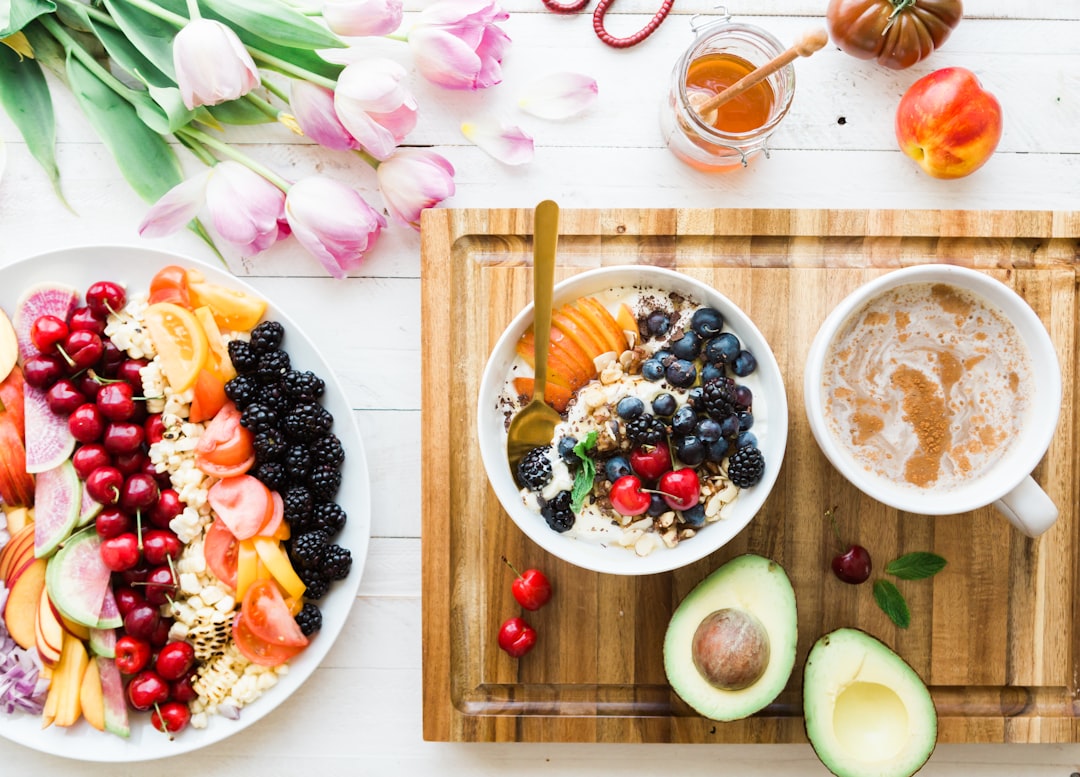
Your gut responds to what you do most often, not what you do perfectly once in a while. Daily meals help shape the balance of bacteria living in your digestive tract, and that balance can influence digestion, regularity, comfort after meals, and how resilient your system feels over time.
That is why the best foods for gut health are usually not exotic or hard to find. They are practical, repeatable foods like yogurt, oats, beans, berries, greens, and fermented vegetables. According to Harvard Health, probiotic and prebiotic foods work together to support gut health, while fiber-rich plant foods help feed beneficial microbes. Think of your gut like a garden: the bacteria you want to keep are more likely to grow when you feed them consistently.
If you have been trying to improve digestion naturally, start by looking at what is on your plate each day. Small, steady changes usually do more for your microbiome than a short-term cleanse or a restrictive plan. Healthieme recommends building around gut-friendly foods you can realistically keep eating week after week.
What Makes a Food Good for Gut Health?
A food supports gut health when it helps nourish beneficial bacteria, adds variety to your diet, or introduces live microbes through fermentation. In practice, the best foods for gut health usually offer fiber, prebiotics, probiotics, or a combination of these.
Fiber
Fiber is one of the most important nutrients for a healthy gut because many gut microbes use it as fuel. When bacteria break down certain fibers, they create compounds that help support the gut environment. Fruits, vegetables, legumes, nuts, seeds, oats, and whole grains all contribute here.
Prebiotics
Prebiotics are specific types of fiber that feed beneficial bacteria. Common prebiotic foods include garlic, onions, leeks, asparagus, bananas, oats, and chicory root. These foods for a healthy microbiome do not contain bacteria themselves, but they help the helpful bacteria already living in your gut thrive.
Probiotics
Probiotics are live microorganisms found in certain foods, especially cultured dairy and fermented foods. Yogurt with live cultures and kefir are two of the easiest probiotic foods to add to a daily routine. They may help diversify the microbes moving through your digestive system, especially when paired with fiber-rich meals.
Fermented foods
Fermented foods are foods changed by beneficial microbes during processing. Some fermented foods contain live cultures, and many also bring distinctive flavors that make healthy eating less repetitive. Sauerkraut and kimchi are common examples that can fit into everyday meals in small portions.
Plant diversity
Plant diversity matters because different microbes prefer different types of fibers and plant compounds. Eating more kinds of fruits, vegetables, legumes, grains, nuts, seeds, herbs, and spices gives your gut ecosystem a broader menu. If you want a simple framework, the 7-day gut health diet plan for beginners can help you turn this idea into actual meals.
Best Foods for Gut Health
The best foods for gut health are foods you can eat often enough to make a difference. Focus on a mix of probiotic foods, prebiotic foods, and fiber-rich staples so your meals support both digestion and beneficial gut bacteria.
1. Yogurt With Live Cultures
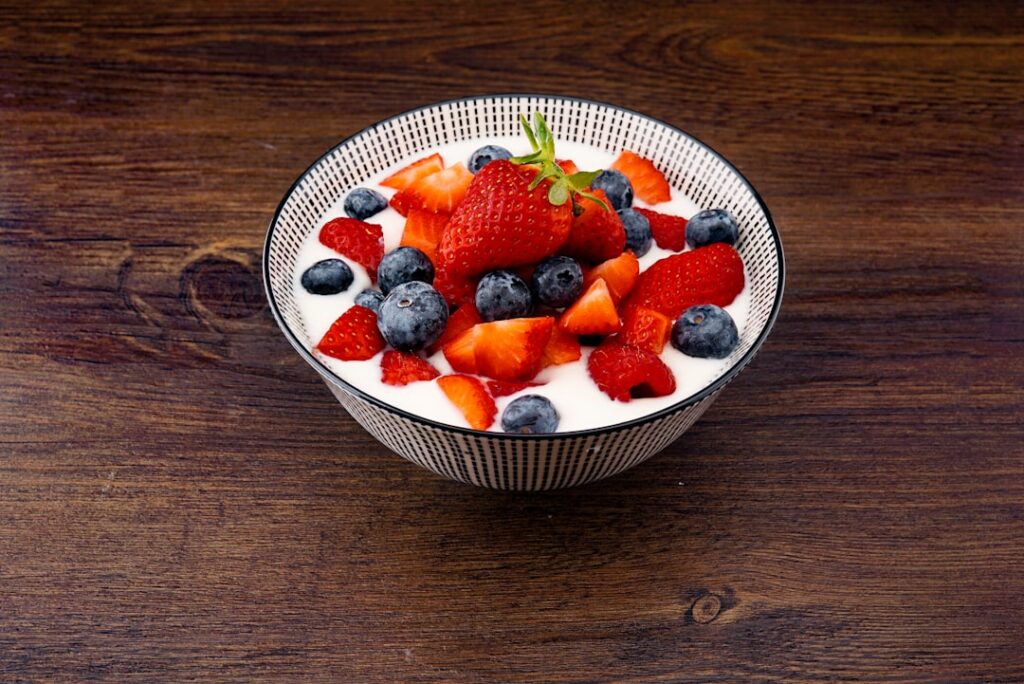
Yogurt with live and active cultures is one of the easiest gut-friendly foods to keep in the fridge. It provides live microbes and also pairs well with high-fiber toppings, which makes it more useful for your microbiome than eating it plain with lots of added sugar.
Choose plain yogurt when possible, then add berries, chopped apple, oats, chia seeds, or walnuts. You can also use yogurt in smoothies, breakfast bowls, dips, or as a topping for grain bowls. If dairy does not work well for you, look for cultured options you tolerate and always check the label for live cultures.
2. Kefir
Kefir is a fermented milk drink that is simple to use and often easier for people to sip daily than to plan a separate probiotic snack. It belongs on any list of the best foods for gut health because it combines convenience with live cultures.
You can drink kefir on its own, blend it into a smoothie, pour it over oats, or use it as the base for a creamy dressing. Start with small servings if fermented dairy is new to you. Consistency matters more than taking a large amount all at once.
3. Fiber-Rich Fruits
Berries, apples, bananas, and kiwi help support gut health by adding fiber, water, and plant compounds that your microbiome can use. These fruits are especially practical because they can fit into breakfast, snacks, and desserts without much effort.
Berries work well in yogurt or oatmeal. Apples are easy to carry and pair with nut butter. Bananas offer a simple option before or after exercise and can also act as a gentle prebiotic food. Kiwi can be sliced into breakfast bowls or eaten as an evening snack. Rotating these fruits through the week adds helpful plant diversity.
4. Vegetables
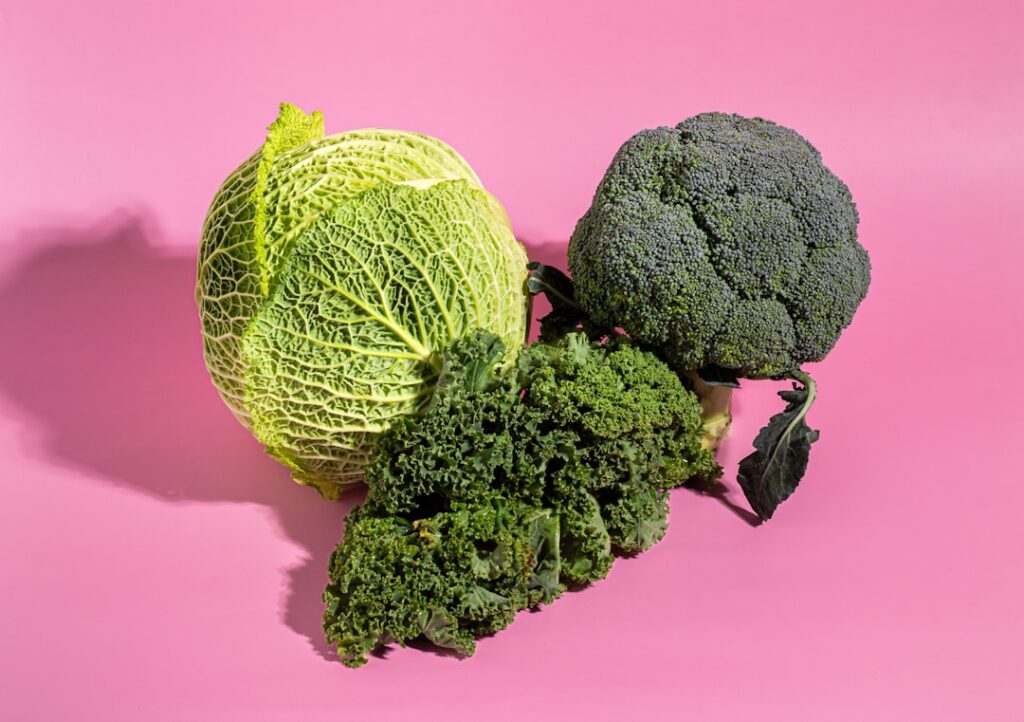
Leafy greens, broccoli, asparagus, and artichokes are standout vegetables for a healthy microbiome because they provide fiber and, in some cases, natural prebiotics. They also make your meals more filling without relying on heavily processed ingredients.
Try adding spinach to eggs or smoothies, roasting broccoli for dinner, grilling asparagus as a side, or using artichokes in salads and grain bowls. If bloating is an issue, increase these foods gradually instead of all at once. Your body often adjusts better when fiber rises at a manageable pace.
5. Oats and Whole Grains
Oats and other whole grains help feed gut bacteria and support more regular digestion. They are among the most practical foods for a healthy microbiome because they are affordable, versatile, and easy to eat every day.
Oatmeal is an obvious choice, but you can also use overnight oats, unsweetened granola, barley in soups, quinoa in bowls, or brown rice with dinner. Pairing whole grains with fruit or vegetables gives your gut a wider range of fibers. If you are working on meal structure, our guide to foods for intestinal barrier health offers more ideas for combining supportive ingredients.
6. Beans and Legumes
Beans, lentils, and chickpeas are some of the strongest everyday foods for gut health because they deliver fiber, resistant starch, and plant-based nourishment for beneficial bacteria. They also help build satisfying meals that do not depend on ultra-processed foods.
Add lentils to soup, chickpeas to salads, black beans to tacos, or white beans to pasta dishes and grain bowls. If legumes tend to cause gas, begin with small portions and increase slowly. Rinsing canned beans well and eating them regularly can make them easier to tolerate over time.
7. Nuts and Seeds
Nuts and seeds support gut health by providing fiber, healthy fats, and plant variety in compact servings. They are easy to overlook, but these small foods can quietly improve the nutritional quality of meals and snacks.
Sprinkle chia or flax into yogurt, oatmeal, or smoothies. Add pumpkin seeds to salads. Keep almonds or walnuts for snacks. Use nut butter with apple slices or banana. These simple additions can help improve digestion naturally by making your routine more fiber-rich without much extra prep.
8. Fermented Foods
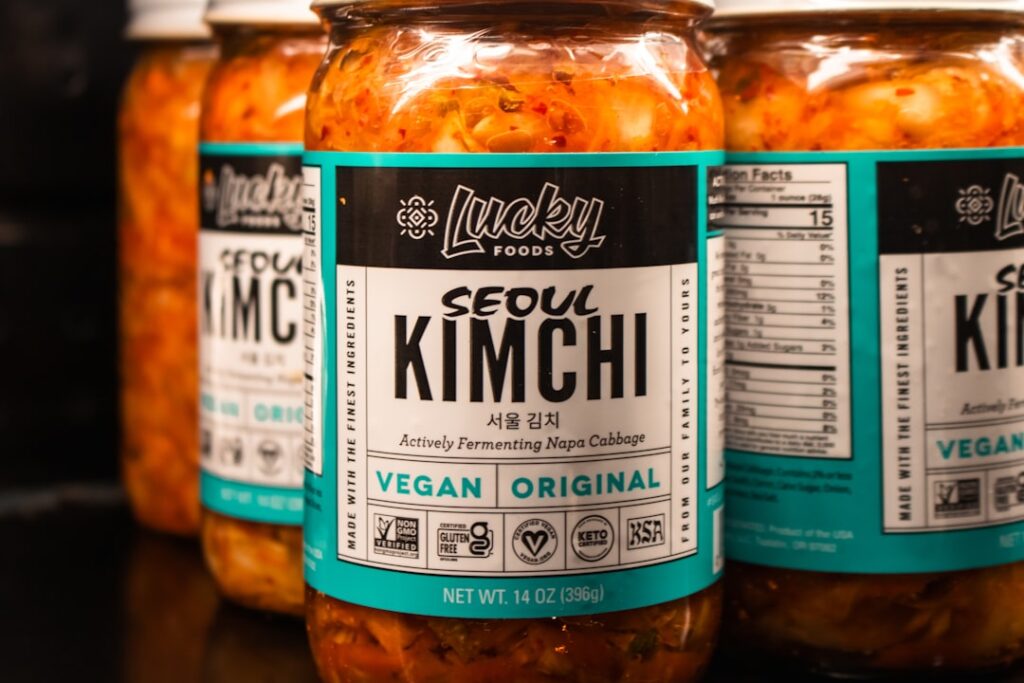
Sauerkraut and kimchi are flavorful fermented foods that can bring variety and live cultures to your meals. They are not magic on their own, but they can be useful additions when the rest of your diet also includes fiber-rich foods that feed good bacteria.
Use a spoonful of sauerkraut with eggs, grain bowls, or sandwiches. Add kimchi to rice bowls, stir it into cooked vegetables, or serve it on the side of lunch or dinner. Start small, especially if you are sensitive to stronger flavors or sodium.
9. Prebiotic Foods
Garlic, onions, leeks, and chicory root deserve special attention because they are classic prebiotic foods. Instead of supplying bacteria directly, they help nourish the bacteria already living in your gut, which is a key part of building a healthier microbiome over time.
Cook onions and garlic into soups, sauces, and sautés. Use leeks in egg dishes or roasted vegetable mixes. Chicory root appears in some fiber blends and foods, but whole-food variety matters more than chasing a single ingredient. If your digestive system is sensitive, adjust portions based on your body’s unique signals.
Create a Daily Gut Health Meal Example
A gut-friendly day of eating does not need to be complicated. The goal is to combine probiotic foods, prebiotic foods, and a range of fibers across the day so your meals steadily support beneficial bacteria and digestion.
Breakfast
Plain yogurt or kefir with oats, berries, chia seeds, and sliced banana. This combination gives you live cultures, fiber, and prebiotic support in one easy meal.
Lunch
A grain bowl with leafy greens, quinoa or brown rice, chickpeas, chopped broccoli, olive oil, and a spoonful of sauerkraut. It is filling, practical, and rich in foods for a healthy microbiome.
Dinner
Salmon or tofu with roasted asparagus, onions, and artichokes, plus a side of lentils or another bean-based dish. This keeps the evening meal centered on plant diversity and fiber.
Snacks
An apple with almond butter, kiwi, a small handful of walnuts, or plain kefir blended with berries. If you want added support beyond food, you can also explore Best Probiotic Supplements for Gut Health from Healthieme as part of a broader routine built on consistent daily eating habits.
Foods That May Harm Gut Health
Some foods can work against your progress when they crowd out fiber-rich whole foods or become a daily habit. You do not need perfection, but it helps to notice which patterns leave your digestion feeling more sluggish, irritated, or inconsistent.
Highly processed foods often provide less fiber and more refined ingredients. Excess sugar can displace more nourishing choices and may be worth watching if you notice symptoms after sweet, low-fiber meals. Artificial additives affect people differently, but a diet built mostly around packaged foods usually leaves less room for the gut-friendly foods your microbiome prefers. Excess alcohol can also disrupt digestion and make it harder to maintain a steady routine. If this is a common issue for you, our article on sugar and gut health can help you spot one major dietary pattern that often gets overlooked.