
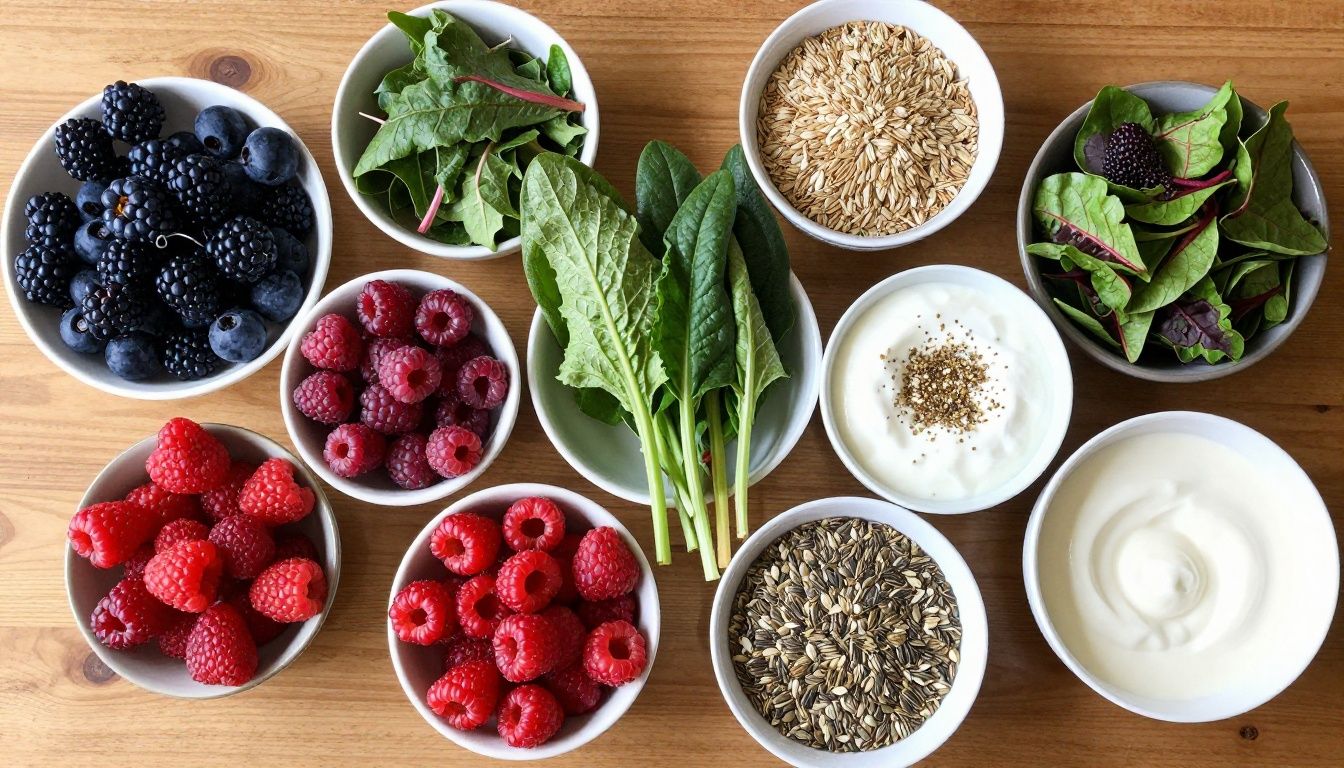
Navigating digestive health can often feel like solving a complex puzzle, especially when you start exploring how specific nutrition choices impact the intestinal barrier. While there is no single “magic bullet” to fix digestion, identifying the best foods for leaky gut is a foundational step toward supporting overall gut integrity. The concept of “leaky gut,” or increased intestinal permeability, involves the small gaps in the intestinal lining allowing substances to pass into the bloodstream more freely than intended. While the science behind this is evolving, the consensus among wellness professionals is that a focus on anti-inflammatory, nutrient-dense foods can help soothe the digestive tract and foster a healthier environment for your microbiome. In this guide, we will explore the types of foods that help maintain a resilient gut lining, the role of your daily dietary habits, and how to approach these changes with patience and consistency.
Key Takeaways
- Focus on a whole-food diet rich in fiber and antioxidants to naturally support the gut barrier.
- Prioritize fermented foods that contain live probiotics to help maintain a balanced and diverse gut microbiome.
- Limit processed foods and excessive added sugars, which may exacerbate inflammation and disrupt the sensitive intestinal ecosystem.
- Consistency in meal timing and mindful eating habits is just as important as the specific foods on your plate.
- Always focus on gradual dietary shifts rather than extreme, restrictive “cures” that could lead to nutrient deficiencies or unnecessary stress.
Understanding best foods for leaky gut
To better understand what constitutes the best foods for leaky gut, it is helpful to first define what the intestinal barrier is. Your gut lining acts as a semi-permeable membrane that functions much like a security filter. It is designed to let vital nutrients and water pass into your bloodstream while keeping larger waste particles and harmful bacteria contained within the digestive tract. When this systemic balance is disrupted, it creates what many call intestinal permeability.
Supporting this barrier is not about “healing” a disease in the medical sense, but rather providing your digestive system with the building blocks it needs to function efficiently. This includes consuming foods that provide energy as direct fuel for the cells lining your colon. These cells, known as colonocytes, rely heavily on short-chain fatty acids (SCFAs), like butyrate, which are produced when your gut bacteria ferment dietary fibers. By choosing whole, plant-based foods, you are essentially providing the raw materials your gut needs to maintain its protective junction integrity. Understanding this mechanism allows you to shift from viewing food as a supplement or a medicine to viewing it as the actual physical material your body uses to rebuild and maintain its tissues every single day.
Why best foods for leaky gut Matters
Incorporating supportive nutrition into your daily life is not just about reducing bloating or occasional discomfort; it is about maintaining a foundational pillar of systemic wellness. When your intestinal barrier is healthy, you are better equipped to absorb nutrients effectively and support your immune system, which resides largely in the gut. If you are interested in the clinical background of this topic, Foods That Naturally Reduce Inflammation offers a deep dive into the science behind how the gut barrier functions.
Focusing on these foods is critical because it promotes microbial diversity. A diverse microbiome is more resilient against stress, infections, and environmental factors that can influence gut permeability. By choosing foods that support this environment, you are proactively protecting your long-term health rather than waiting for gastrointestinal symptoms to become unmanageable. This proactive approach helps settle the “internal environment,” making it easier for your body to manage inflammation and maintain homeostasis. Ultimately, prioritizing these nutrients assists in creating a stable foundation, allowing you to enjoy your favorite meals while knowing you are supporting your body’s natural protective mechanisms.
Key Factors to Consider
The Role of Nutrient Density
When evaluating what to eat, prioritize nutrient-dense options over calorie-dense ones. Ingredients like leafy greens, colorful berries, and root vegetables provide essential vitamins and minerals that co-factor into the repair of intestinal tissues. The goal is to provide a wide spectrum of micronutrients that minimize general systemic inflammation, which can indirectly stress the gut wall.
The Importance of Fiber Variety
Not all fiber is the same. To support a healthy gut, you should look for a mix of soluble and insoluble fibers. Soluble fiber, found in oats and flaxseeds, forms a gel-like consistency in the gut, which can have a soothing effect. Insoluble fiber adds bulk and promotes regular movement, ensuring that waste does not sit in the colon for too long, which is crucial for overall intestinal health.
Hydration and Mucosal Support
Your intestinal lining is protected by a thin layer of mucus. Staying consistently hydrated is vital for maintaining the structure and fluidity of this layer. Without adequate water intake, the efficiency of your digestion drops, and the protective barrier becomes more susceptible to irritation. Aim for plain water or herbal teas throughout the day to support this natural protective mechanism.
Evidence-Based Strategies and Practical Steps
To support your intestinal barrier, focusing on the foods that feed good gut bacteria is a primary strategy. This means prioritizing prebiotics that act as “fertilizer” for the beneficial strains in your digestive tract. Research compiled by institutions like Harvard Health highlights that while “leaky gut” is still a subject of active research, the benefits of a diet rich in fruits, vegetables, and whole grains are indisputable for maintaining a balanced immune response and a healthy gut.
Practical steps to implement these strategies:
- Increase plant diversity: Aim for 20-30 different plants per week, including nuts, seeds, herbs, and spices, to encourage a robust microbiome.
- Incorporate fermented foods: Include small servings of kefir, sauerkraut, or kimchi daily to directly introduce beneficial microbes.
- Batch prep vegetables: Having roasted carrots, sweet potatoes, or steamed broccoli ready ensures you reach for healthy options during busy days.
- Prioritize Omega-3s: Fatty fish, such as wild-caught salmon, provide anti-inflammatory support that can help soothe the digestive lining.
By following these steps, you are working with your body’s natural rhythm. It is not about eliminating entire food groups unless guided by a doctor for an allergy; it is about crowding out less supportive choices with nutrient-packed alternatives that fuel your long-term health goals.
Practical Examples for Beginners
Starting a new path to support your gut doesn’t have to overhaul your entire lifestyle overnight. The best approach is to build on what you already enjoy. If you are learning the fundamentals of what gut health is, you can begin by making small adjustments that feel sustainable rather than overwhelming.
- Breakfast: Overnight oats with chia seeds and a small handful of walnuts. The fiber in the oats and the anti-inflammatory properties of the nuts provide a gentle start to the day.
- Lunch: A big colorful bowl featuring mixed greens, shredded carrots, cooked quinoa, and a drizzle of olive oil. The olive oil is excellent for satiety and provides healthy fats.
- Dinner: A serving of baked cod or tofu with steamed asparagus and roasted sweet potatoes. The asparagus acts as a prebiotic, feeding your healthy microbes.
- Snack: Keep a small cup of yogurt topped with fresh berries. The combination of probiotics and antioxidants is a simple win.
This approach turns mealtime into a positive event rather than a clinical experiment. By consistently including these foods, you create positive habits that build naturally over time.
Common Mistakes and Long-Term Tips
One of the most common beginner mistakes is to assume that cutting out all “problematic” foods will lead to a perfect gut overnight. This often leads to extremely restrictive diets that lack variety, which can ironically harm the microbiome by starving your diverse bacterial colonies. Another mistake is over-reliance on a single type of supplement or superfood. No single food can compensate for a lack of sleep, high stress, or a diet otherwise filled with highly processed, sugary items. Sustainable results come from consistency, not perfection.
Instead of stressing over every bite, focus on the big-picture balance. Aim for a pattern where 80% to 90% of your food choices align with your gut-healthy goals, leaving room to enjoy your favorite treats occasionally. This reduction in “food anxiety” is actually beneficial; stress itself can lead to digestive distress and impact the gut lining. Think long-term. Your goal is to curate a library of recipes and habits that you genuinely enjoy. When you like the food you eat, maintaining a healthy gut becomes an easy, reflexive lifestyle rather than a difficult task to finish.
When to Speak With a Healthcare Professional
While lifestyle changes are beneficial, they are not a replacement for professional medical guidance. If you experience persistent symptoms—such as chronic, unexplainable abdominal pain, significant changes in your bowel habits, unexplained weight loss, or consistent blood in your stool—please consult a doctor or a registered dietitian. These symptoms may point to underlying conditions like inflammatory bowel disease or celiac disease that require specific medical diagnosis and treatment. Always discuss any significant changes to your diet or the introduction of new supplements with your healthcare provider, especially if you are currently taking prescribed medications or managing chronic health conditions.
Frequently Asked Questions
Are there any specific fruits that support gut health?
Yes, berries like raspberries, blueberries, and blackberries are excellent because they are high in fiber and polyphenols. These antioxidants help reduce inflammation in the gut and provide the necessary fuel for beneficial bacterial strains to thrive, ultimately supporting the integrity of the intestinal wall.
Can bone broth really help a leaky gut?
Bone broth is often recommended because it contains amino acids like glutamine and glycine. These are considered “building block” nutrients for the mucosal layer of the intestine. While it is not a cure-all, it is a soothing, nutrient-dense addition that many find very easy to digest.
Does coffee affect my intestinal lining?
For many, moderate coffee consumption is well-tolerated and even provides various antioxidants. However, for some individuals, coffee can act as a trigger, potentially increasing digestive acidity or motility. It is best to listen to your body and notice if coffee contributes to any discomfort.
Should I avoid all processed foods?
While the goal is to limit highly processed, sugary foods that contain emulsifiers and artificial additives, not all “processed” food is bad. Options like plain yogurt, canned beans, or frozen vegetables are technically processed but stay nutrient-dense. Focus on ingredient lists rather than just the label.
How long does it take for food changes to show results?
Digestive health is a slow, cumulative process. While some may notice reduced bloating within a few days of cleaner eating, significant changes to the microbiome and the gut barrier often take weeks or even months of consistent, high-fiber, diverse nutritious habits to really become noticeable.
Final Thoughts
Supporting your digestive health is a journey, not a destination. By choosing the best foods for leaky gut—those rich in fiber, probiotics, and healthy fats—you provide your body with the environment it needs to thrive. Focus on building habits that you enjoy, stay consistent, and remember that gradual movement toward a whole-food diet is far more effective than short-term, restrictive measures. Listen to your body, stay curious rather than anxious, and appreciate the small wins as you cultivate a more resilient gut. Your commitment to these simple, evidence-based choices is the best gift you can give your digestive system for the long haul.