
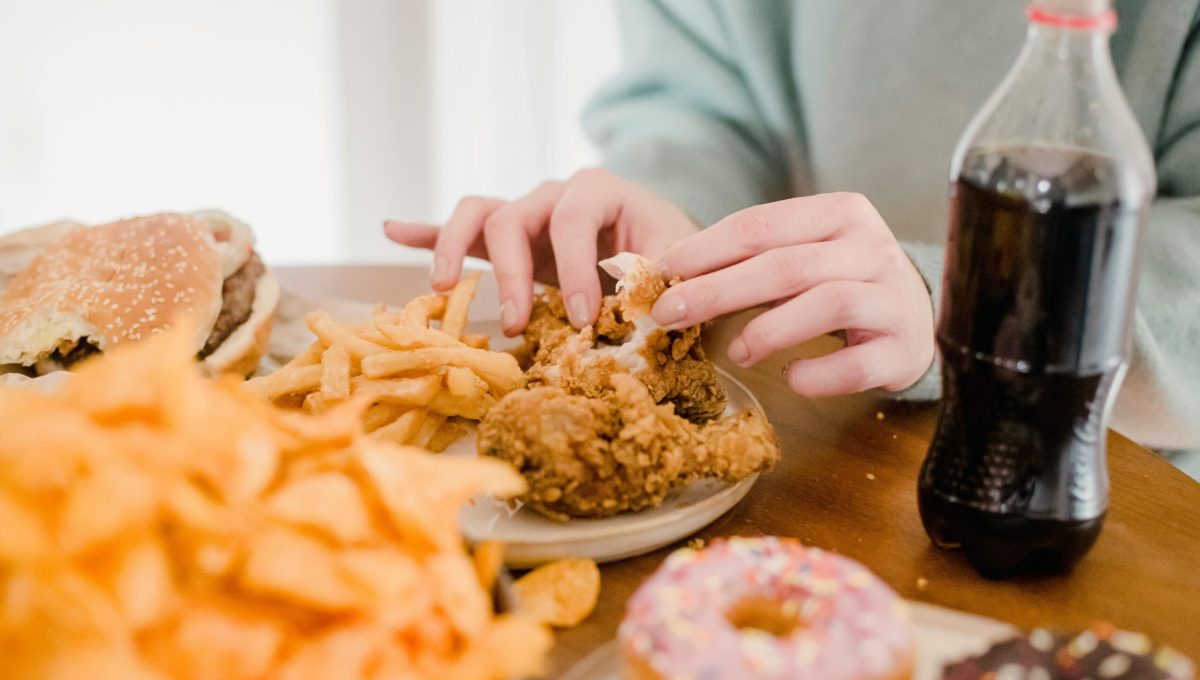
Worst Foods for Leaky Gut (Foods That May Damage Your Gut Lining)
If you’re trying to heal your gut, the foods you avoid can be just as important as the foods you eat.
Certain foods may increase inflammation, irritate the digestive system, and contribute to a condition known as leaky gut syndrome.
Leaky gut occurs when the intestinal lining becomes weakened, allowing unwanted substances like toxins and undigested food particles to pass into the bloodstream. This may lead to bloating, fatigue, food sensitivities, brain fog, and chronic inflammation.
The good news?
Making smart dietary changes may help support gut healing and improve digestion naturally.
In this guide, we’ll cover the worst foods for leaky gut, why they can be harmful, and healthier alternatives you can choose instead.
What Is Leaky Gut?
Your intestines contain a protective barrier designed to control what enters your bloodstream.
When this barrier becomes damaged or inflamed, tiny openings may develop in the gut lining. This can potentially allow harmful substances to “leak” into the body.
Possible symptoms include:
- Bloating
- Gas
- Food sensitivities
- Fatigue
- Brain fog
- Skin problems
- Joint pain
- Digestive discomfort
While research on leaky gut is still ongoing, many experts believe diet plays a major role in gut health.
Worst Foods for Leaky Gut
1. Processed Foods
Highly processed foods are one of the biggest contributors to poor gut health.
These foods often contain:
- Artificial ingredients
- Preservatives
- Refined oils
- Added sugars
- Chemical additives
Examples include:
- Fast food
- Packaged snacks
- Frozen meals
- Chips
- Processed meats
Why They’re Harmful
Processed foods may increase inflammation and disrupt healthy gut bacteria.
2. Excess Sugar
Too much sugar can feed harmful bacteria and yeast in the gut.
This may create an imbalance in the microbiome and worsen digestive symptoms.
Foods high in sugar include:
- Soda
- Candy
- Pastries
- Sweetened cereals
- Desserts
Better Option
Choose naturally sweet foods like berries or apples in moderation.
3. Fried Foods
Fried foods are difficult for many people to digest and may trigger inflammation.
Examples include:
- French fries
- Fried chicken
- Onion rings
- Fast-food items
Why They’re Problematic
They often contain unhealthy oils and trans fats that may negatively affect the gut lining.
4. Refined Carbohydrates
Refined carbs are stripped of fiber and nutrients.
Examples:
- White bread
- White pasta
- White rice
- Sugary breakfast cereals
Why It Matters
Low-fiber diets may reduce beneficial gut bacteria and weaken digestive health.
5. Artificial Sweeteners
Some studies suggest artificial sweeteners may negatively impact gut bacteria.
Common examples:
- Aspartame
- Sucralose
- Saccharin
Found in:
- Diet soda
- Sugar-free snacks
- Artificially sweetened drinks
6. Alcohol
Excess alcohol consumption may irritate and damage the intestinal lining.
Possible Effects
- Increased gut inflammation
- Disrupted gut bacteria
- Digestive irritation
- Dehydration
Tip
Reducing alcohol intake may help support gut healing.
7. Processed Vegetable Oils
Certain highly refined oils may contribute to inflammation.
Examples include:
- Soybean oil
- Corn oil
- Canola oil
- Cottonseed oil
These are commonly found in:
- Fast food
- Processed snacks
- Fried foods
- Packaged baked goods
8. Dairy Products (For Some People)
Not everyone reacts poorly to dairy, but some people with digestive issues may struggle with:
- Lactose
- Dairy proteins
Symptoms may include:
- Bloating
- Gas
- Stomach pain
- Digestive discomfort
Better Options
Try:
- Unsweetened almond milk
- Coconut yogurt
- Lactose-free products
9. Gluten-Containing Foods
Some individuals are sensitive to gluten, a protein found in:
- Wheat
- Barley
- Rye
Possible symptoms:
- Bloating
- Fatigue
- Digestive discomfort
This is especially important for people with celiac disease or gluten sensitivity.
10. Highly Processed Meats
Processed meats often contain preservatives, additives, and unhealthy fats.
Examples:
- Hot dogs
- Sausage
- Bacon
- Deli meats
These foods may contribute to inflammation and poor gut health over time.
Foods That May Help Heal Leaky Gut
Instead of focusing only on what to avoid, it’s important to include healing foods too.
Gut-friendly foods include:
- Bone broth
- Leafy greens
- Salmon
- Avocados
- Fermented foods
- Sweet potatoes
- Berries
- Chia seeds
- Garlic
- Turmeric
These foods may help reduce inflammation and support a healthy gut lining.
Simple Tips for Healing Your Gut
Eat More Whole Foods
Focus on natural, minimally processed foods.
Increase Fiber Slowly
Fiber supports healthy gut bacteria.
Drink Plenty of Water
Hydration supports digestion.
Reduce Stress
Stress can negatively affect gut health.
Get Better Sleep
Poor sleep may increase inflammation.
How Long Does It Take to Improve Gut Health?
Everyone is different.
Some people notice improvements within:
- A few weeks
Others may take:
- Several months
Consistency with diet and lifestyle changes is key.
Final Thoughts
Healing leaky gut starts with removing foods that may irritate and inflame the digestive system.
Reducing processed foods, excess sugar, fried foods, and artificial ingredients may help support your gut lining and improve overall digestion.
At the same time, adding nutrient-rich whole foods can help your body begin repairing itself naturally.
Small changes made consistently often lead to the biggest long-term improvements.
Related Articles
- Best Foods for Leaky Gut
- What Is Leaky Gut Syndrome?
- Top Signs of Leaky Gut
- How to Improve Gut Health Naturally
- Foods That Cause Bloating
- Best Foods for Gut Health
- Prebiotics vs Probiotics
- Digestive Enzymes: Do You Really Need Them?
- Best Probiotic Supplements for Gut Health
- Gut Health for Beginners: The Complete Guide
Want more gut-friendly nutrition tips, supplement guides, and digestive health advice?
Join the Healthieme Community today and begin your gut healing journey naturally.
Affiliate Disclaimer
This post may contain affiliate links. If you purchase through these links, Healthieme may earn a commission at no extra cost to you.
Start Healing Your Gut Naturally
Want more gut-friendly nutrition tips, supplement guides, and digestive health advice?
Join the Healthieme Community today and begin your gut healing journey naturally.