Best Foods for Gut Health (Eat This Daily)
Your gut health affects nearly every part of your body — from digestion and energy levels to immunity and even mood. The good news? You can improve your gut naturally by eating the right foods every day.
A healthy gut thrives on a balance of beneficial bacteria. Certain foods help feed these good bacteria, reduce inflammation, and support smoother digestion. If you’re dealing with bloating, stomach discomfort, irregular digestion, or low energy, adding gut-friendly foods to your daily routine can make a big difference.
Why Gut Health Matters
Your digestive system contains trillions of bacteria known as the gut microbiome. When this microbiome is balanced, your body can:
- Digest food more efficiently
- Absorb nutrients better
- Reduce bloating and gas
- Support immune health
- Improve energy and mood
But poor diet, stress, processed foods, and antibiotics can disrupt this balance.
That’s why eating gut-supporting foods consistently is one of the best things you can do for your health.
1. Yogurt
Yogurt is one of the most popular probiotic foods. It contains live beneficial bacteria that help improve digestion and support gut balance.
Look for:
- “Live and active cultures”
- Low sugar options
- Plain Greek yogurt for extra protein
Try eating yogurt:
- With breakfast
- In smoothies
- As a healthy snack
2. Kefir
Kefir is a fermented dairy drink packed with probiotics — often even more than yogurt.
Benefits include:
- Better digestion
- Reduced bloating
- Improved gut bacteria diversity
Many people who struggle with regular milk tolerate kefir well because it’s fermented.
3. Sauerkraut
Sauerkraut is fermented cabbage loaded with probiotics and fiber.
It may help:
- Improve digestion
- Support immune health
- Reduce inflammation
Choose refrigerated, unpasteurized sauerkraut whenever possible since heat can destroy beneficial bacteria.
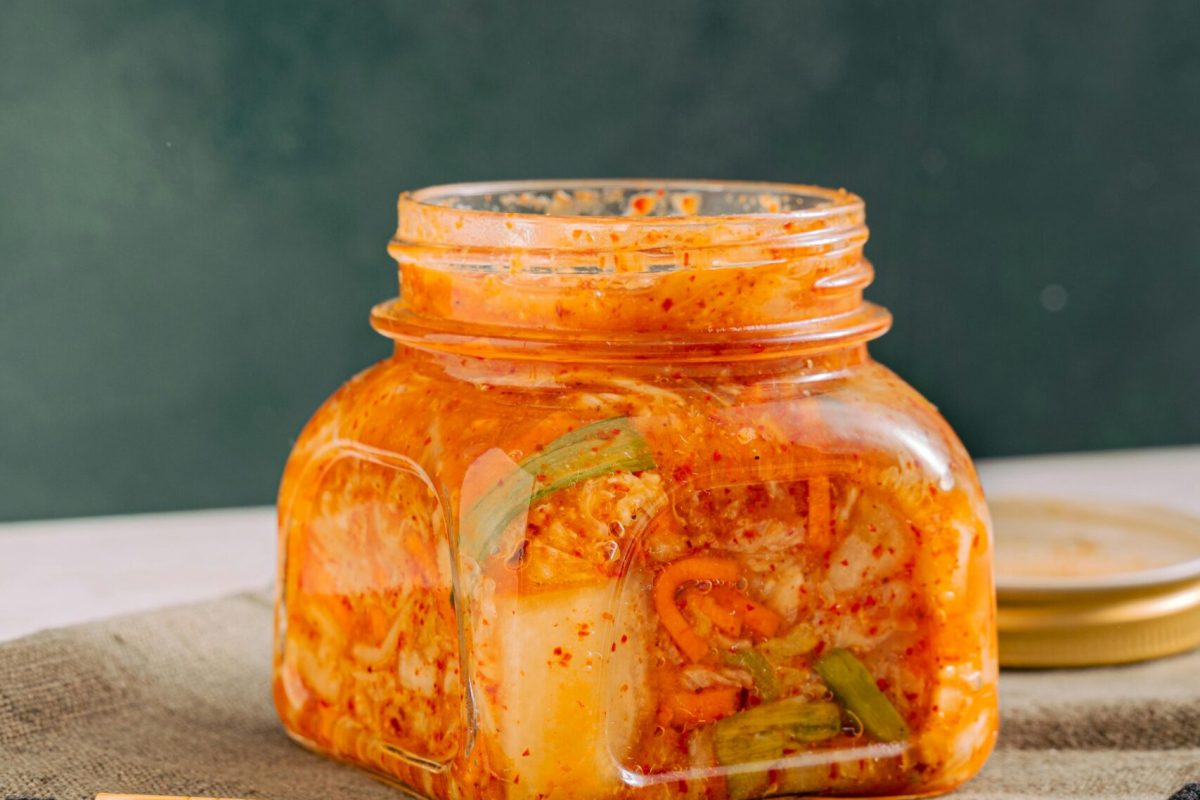
4. Kimchi
Kimchi is a spicy Korean fermented vegetable dish rich in probiotics and antioxidants.
It supports:
- Healthy digestion
- Gut bacteria balance
- Reduced inflammation
A small serving daily can go a long way.
5. Bananas
Bananas are excellent for gut health because they contain prebiotic fiber that feeds good gut bacteria.
Benefits:
- Helps digestion
- Supports regular bowel movements
- Gentle on the stomach
Slightly green bananas contain even more resistant starch, which is especially beneficial for the gut.
6. Oats
Oats are rich in soluble fiber, which supports digestion and feeds healthy bacteria in the colon.
Eating oats regularly may:
- Improve gut balance
- Help reduce cholesterol
- Keep you fuller longer
Choose plain oats instead of sugary instant packets whenever possible.
7. Garlic
Garlic acts as a natural prebiotic, meaning it helps beneficial bacteria grow.
It may also:
- Support immune health
- Reduce harmful bacteria
- Improve digestion
Raw garlic provides the strongest benefits, but cooked garlic is still helpful.
8. Apples
Apples contain pectin, a type of fiber linked to improved gut bacteria and digestive health.
Benefits include:
- Better digestion
- Increased good bacteria
- Support for regularity
Eating apples with the skin provides the most fiber.
9. Bone Broth
Bone broth contains collagen and amino acids that may help support the gut lining.
Many people use bone broth to:
- Support digestion
- Reduce gut irritation
- Stay hydrated
It’s especially soothing during digestive flare-ups.
10. Leafy Greens
Spinach, kale, and other leafy greens contain fiber and nutrients that help beneficial bacteria thrive.
These vegetables may:
- Support healthy digestion
- Reduce inflammation
- Improve overall gut function
Try adding greens to smoothies, salads, or eggs.
Foods That Hurt Gut Health
While adding healthy foods is important, limiting gut-damaging foods matters too.
Try to reduce:
- Highly processed foods
- Excess sugar
- Artificial sweeteners
- Fried foods
- Excess alcohol
Too much of these foods may contribute to bloating, inflammation, and poor gut bacteria balance.
Simple Daily Gut Health Routine
Here’s an easy daily routine to support your gut naturally:
Morning:
- Oatmeal with banana and yogurt
Lunch:
- Salad with leafy greens and garlic dressing
Snack:
- Apple or kefir
Dinner:
- Lean protein with vegetables and fermented foods
Consistency matters more than perfection.
Final Thoughts
Improving your gut health doesn’t require a complicated diet. Small daily habits — like eating probiotic and fiber-rich foods — can have a powerful long-term impact on digestion, energy, immunity, and overall wellness.
Start by adding just a few gut-friendly foods each day and pay attention to how your body responds. Over time, your gut microbiome can become healthier and more balanced naturally.
Related Gut Health Articles
- Worst Foods for Gut Health You Should Avoid
- Prebiotics vs Probiotics: What’s the Difference?
- 7-Day Gut Health Diet Plan for Beginners
- How to Improve Gut Health Naturally (Step-by-Step)
- Top 10 Signs of Poor Gut Health (Don’t Ignore These)
- What Is Gut Health and Why It Matters More Than You Think
- Best Probiotic Supplements for Gut Health (2026 Review)
Affiliate Disclaimer
This post may contain affiliate links. If you purchase through these links, Healthieme may earn a commission at no extra cost to you.