Prebiotics vs Probiotics: What’s the Difference?
If you’ve been researching gut health, you’ve probably seen the words prebiotics and probiotics everywhere. While they sound similar, they actually play very different roles in your digestive system.
Understanding the difference can help you choose the right foods and supplements to improve digestion, reduce bloating, and support overall wellness.
What Are Probiotics?
Probiotics are live beneficial bacteria that help maintain a healthy balance in your gut microbiome.
Your digestive system contains trillions of bacteria — some helpful and some harmful. Probiotics help increase the “good” bacteria that support digestion, immunity, and overall wellness.
Common Benefits of Probiotics
- Help support healthy digestion
- May reduce bloating and gas
- Support immune system function
- Help restore gut balance after antibiotics
- May improve regularity
Foods Rich in Probiotics
Some of the best natural probiotic foods include:
- Yogurt with live cultures
- Kefir
- Sauerkraut
- Kimchi
- Miso
- Kombucha
Many people also use probiotic supplements for additional support.
What Are Prebiotics?
Prebiotics are a type of fiber that feeds the beneficial bacteria already living in your gut.
Think of probiotics as the “good bacteria,” while prebiotics are the “food” that helps those bacteria grow and thrive.
Without enough prebiotics, beneficial gut bacteria may struggle to survive.
Common Benefits of Prebiotics
- Help nourish healthy gut bacteria
- Support digestive health
- May improve bowel regularity
- Can help support nutrient absorption
- Promote long-term gut balance
Foods Rich in Prebiotics
Some excellent prebiotic foods include:
- Garlic
- Onions
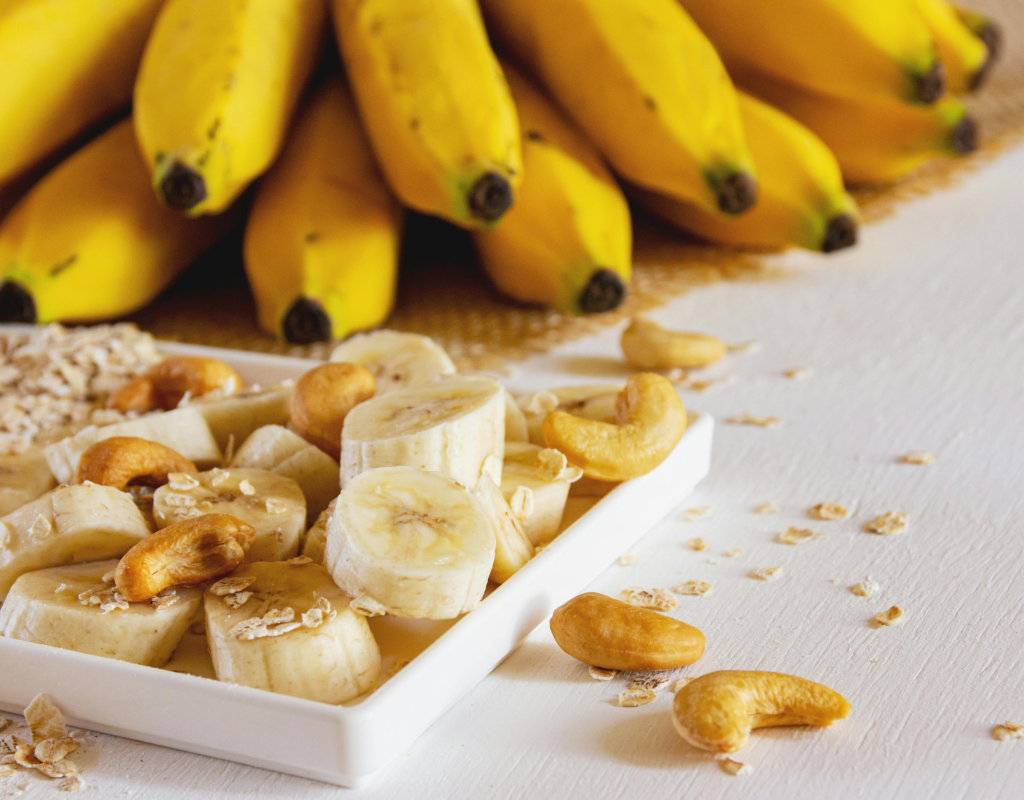
- Bananas
- Asparagus
- Oats
- Apples
- Chicory root
- Beans and legumes
The Main Difference Between Prebiotics and Probiotics
The easiest way to remember the difference is:
- Probiotics = beneficial live bacteria
- Prebiotics = food for those bacteria
Both work together to support a healthier gut microbiome.
Do You Need Both?
In many cases, yes.
A healthy gut often benefits from both:
- Probiotics to add beneficial bacteria
- Prebiotics to help those bacteria survive and multiply
This combination is sometimes called a synbiotic approach.
Many gut health experts recommend focusing on:
- Eating fiber-rich foods
- Including fermented foods
- Using quality supplements when needed
Can Prebiotics or Probiotics Help With Bloating?
They may help, depending on the cause of your digestive issues.
Some people notice improvements in:
- Gas
- Bloating
- Irregular digestion
- Constipation
- Gut discomfort
However, introducing too much fiber or probiotics too quickly can temporarily increase bloating in some people.
A slow and consistent approach usually works best.
Should You Take Supplements?
Food should generally come first, but supplements can sometimes help fill nutritional gaps.
A quality probiotic supplement may be useful if:
- You recently took antibiotics
- You experience frequent bloating
- Your diet lacks fermented foods
- You want additional digestive support
Prebiotic supplements may help if your diet is low in fiber-rich foods.
Final Thoughts
Prebiotics and probiotics are both important for maintaining a healthy digestive system.
While probiotics add beneficial bacteria to your gut, prebiotics help feed and support those bacteria. Together, they can play a major role in digestion, immunity, and overall wellness.
Focusing on a balanced diet rich in fiber and fermented foods is one of the best ways to support long-term gut health naturally.
Related Articles
- Best Probiotic Supplements for Gut Health (2026 Review)
- When Should You Take Probiotics for Best Results?
- Top 5 Gut Health Supplements That Actually Work
- Probiotics for Bloating: Do They Actually Work?
- Can Probiotics Help IBS?
- Best Foods for Gut Health (Eat This Daily)
- How to Improve Gut Health Naturally (Step-by-Step)
Affiliate Disclaimer
This post may contain affiliate links. If you purchase through these links, Healthieme may earn a commission at no extra cost to you.