
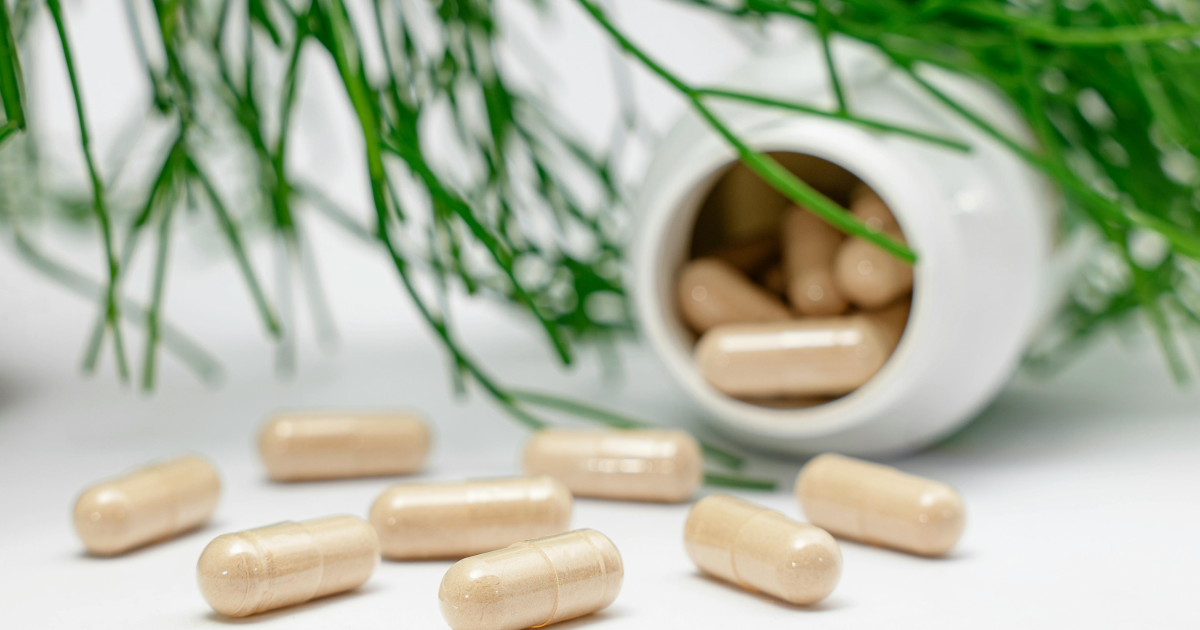
When Should You Take Probiotics for Best Results?
If you’ve started taking probiotics — or you’re thinking about it — one of the biggest questions is: When should you actually take them?
Morning or night? With food or without? Before meals or after?
The truth is, timing can make a difference. Taking probiotics the right way may help more beneficial bacteria survive the harsh stomach environment and reach your gut where they can do their job.
In this guide, we’ll break down the best time to take probiotics, what science says, and how to get the most benefit from your supplement.
What Are Probiotics?
Probiotics are live beneficial bacteria that support your digestive system and overall gut health. Your gut naturally contains trillions of microorganisms, and probiotics help maintain a healthy balance.
Many people take probiotics to help with:
- Bloating and gas
- Digestive discomfort
- Irregular bowel movements
- Immune support
- Gut balance after antibiotics
- Overall digestive wellness
But even a high-quality probiotic works better when taken correctly.
The Best Time to Take Probiotics
For most people, the best time to take probiotics is:
1. Before a Meal or With Food
Many experts recommend taking probiotics:
- About 30 minutes before a meal
- Or with a light meal
Why?
Food can help buffer stomach acid, increasing the chances that beneficial bacteria survive long enough to reach your intestines.
Some research suggests probiotics may survive better when taken with foods containing healthy fats, such as:
- Yogurt
- Oatmeal with nuts
- Avocado toast
- Smoothies
Morning vs Night: Which Is Better?
Both can work — consistency matters more than the exact hour.
Morning Benefits
Many people prefer taking probiotics in the morning because it becomes part of a daily routine.
Example:
- Before breakfast
- With coffee and a small snack
- Alongside vitamins
Night Benefits
Others take probiotics before bed when digestion slows down and the gut may be less active.
There’s no universal “perfect” answer. The best choice is the one you’ll remember consistently.
Should You Take Probiotics on an Empty Stomach?
This depends on the specific probiotic strain and formula.
Some brands recommend taking probiotics on an empty stomach, while others suggest taking them with food. Always check the label directions first.
In general:
- Sensitive stomach? Take them with food.
- Delayed-release capsules? Timing may matter less.
- Strong stomach acid issues? Food may help protect bacteria.
What About Taking Probiotics With Antibiotics?
If you’re taking antibiotics, probiotics may help support gut balance during treatment.
However, don’t take them at the exact same time.
A common recommendation is:
- Take antibiotics first
- Wait 2–3 hours
- Then take your probiotic
This helps reduce the chance that the antibiotic kills the beneficial bacteria in the probiotic supplement.
Many people also continue probiotics for several weeks after finishing antibiotics.
How Long Does It Take Probiotics to Work?
Results vary depending on:
- Your gut health
- Diet
- Stress levels
- Sleep
- The probiotic strains used
Some people notice changes within a few days, while others may need several weeks.
Possible early improvements include:
- Less bloating
- Better digestion
- More regular bowel movements
- Reduced stomach discomfort
Consistency is key.
Tips for Getting the Best Results From Probiotics
Here are a few ways to maximize the benefits:
Be Consistent
Taking probiotics daily matters more than taking them at a “perfect” time occasionally.
Store Them Properly
Some probiotics require refrigeration while others are shelf-stable.
Heat and moisture can damage beneficial bacteria.
Eat Gut-Friendly Foods
Probiotics work best when paired with healthy habits, including:
- Fiber-rich foods
- Fruits and vegetables
- Fermented foods
- Plenty of water
Avoid Excess Sugar and Processed Foods
Highly processed diets may negatively affect gut bacteria balance.
Do Different Probiotic Strains Matter?
Yes. Different strains support different goals.
For example:
- Some probiotics target bloating
- Others focus on digestion or immune support
- Some may help after antibiotic use
That’s why choosing the right supplement matters just as much as timing.
Final Thoughts
So, when should you take probiotics for best results?
For most people:
- Take them daily
- Preferably before or with a meal
- Stay consistent
- Follow the label directions
There’s no magic hour that works for everyone, but building a steady routine can help you get the most from your probiotic supplement.
Your gut thrives on consistency — and small daily habits can make a big difference over time.
Related Articles
- Best Probiotic Supplements for Gut Health (2026 Review)
- Prebiotics vs Probiotics: What’s the Difference?
- Probiotics for Bloating: Do They Actually Work?
- Top 5 Gut Health Supplements That Actually Work
- Can Probiotics Help IBS?
- How to Improve Gut Health Naturally (Step-by-Step)
- Best Foods for Gut Health (Eat This Daily)
Affiliate Disclaimer
This post may contain affiliate links. If you purchase through these links, Healthieme may earn a commission at no extra cost to you.