
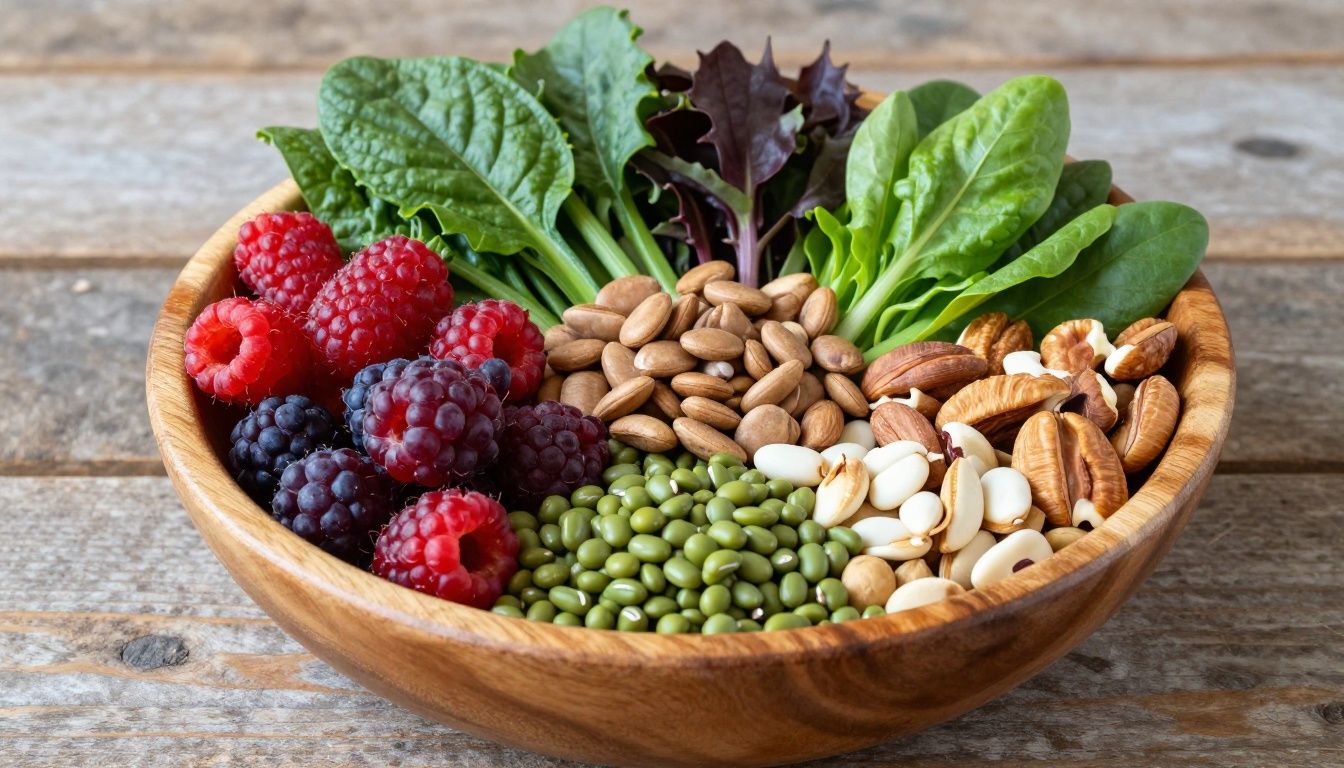
Building an internal environment that supports a diverse microbiome begins with your plate. If you are looking to optimize your digestion and overall wellness, understanding the specific foods that feed good gut bacteria is a foundational step. By prioritizing nutrient-dense, plant-based options, you provide the essential fuel your gut microbes need to thrive, which can lead to better health outcomes and increased vitality. While the world of nutrition can feel overwhelming, focusing on simple, evidence-based additions to your daily routine makes a significant difference. This guide will walk you through the essential concepts, actionable habits, and specific dietary choices that act as food for your microbiome, helping you feel your best starting with your very next meal.
Key Takeaways
- Your gut microbiome thrives on variety, specifically fiber-rich foods that act as prebiotics to nourish beneficial microbes.
- Consuming a wide range of plant-based foods, including fruits, vegetables, legumes, and whole grains, provides the necessary diversity for a balanced gut ecosystem.
- Resistant starches and polyphenol-rich foods serve as powerful fuel sources for your gut bacteria, enhancing their ability to support immune function.
- Sustainable health is achieved through consistent, small dietary shifts rather than restrictive “all-or-nothing” fad diets.
- Always consult with a healthcare provider if you have specific digestive concerns or chronic symptoms.
Understanding foods that feed good gut bacteria
To manage your gut health effectively, you must first understand the relationship between the foods that feed good gut bacteria and your digestive system. Think of your gut as a garden; the good bacteria are the plants you want to grow, and the food you eat acts as the fertilizer. These specific substances, often identified as prebiotics, are types of fiber that your body cannot digest, but your gut bacteria can ferment for energy. The primary function of these foods is to selectively feed beneficial strains of bacteria, such as Bifidobacteria and Lactobacilli, ensuring they remain the dominant population in your microbiome. If you are curious about the technical differences between the bacteria themselves and the food they consume, our guide on prebiotics vs. probiotics explains how each plays a distinct role in your digestive strategy. By choosing foods that feed good gut bacteria, you are essentially creating an inhospitable environment for harmful pathogens while rewarding the microbes that support your metabolism, mood, and immune health. This process is not about deprivation but about inclusion, focusing on adding high-fiber ingredients that ensure your gut ecosystem remains diverse, resilient, and well-fed throughout your lifespan.
Why This Matters for Your Health
A healthy microbiome is deeply interconnected with almost every system in your body, from your metabolism to your brain health. When you feed your gut properly, these microbes produce short-chain fatty acids (SCFAs), such as butyrate, which serve as the primary energy source for the cells lining your colon. These cells maintain a strong barrier against inflammation, which is critical for long-term health. According to the Harvard T.H. Chan School of Public Health, the microbiome plays a significant, active role in human development, immunity, and nutrition. When your gut bacteria are starved because of a diet heavy in processed foods, this essential barrier can become weakened, potentially leading to increased systemic inflammation or digestive discomfort. By intentionally selecting ingredients that support microbial diversity, you contribute to a more robust immune response. Research also suggests that a well-nourished gut supports balanced blood sugar regulation and even neurological health, often referred to as the gut-brain axis. Maintaining this balance is a powerful preventive strategy, proving that your daily dietary choices are among the most effective tools you have to protect your bodily systems and enhance your resilience against environmental stressors.
How to Get Started
Beginning your journey to a healthier gut does not require an immediate overhaul of your entire pantry. Success is built on consistency and volume of plant foods. Follow these steps to start incorporating more gut-friendly fuel into your routine:
- Audit your current fiber intake: Most adults do not consume enough fiber, which is the cornerstone of gut nutrition. Understanding the specific benefits of eating more fiber can motivate you to reach that recommended daily threshold.
- Introduce variety slowly: Do not jump from 10 grams of fiber to 30 grams in a single day, as this can cause bloating. Increase your intake of vegetables, legumes, and grains over several weeks to allow your microbiome to adapt.
- Make your plate colorful: Each color in produce usually signifies different types of polyphenols and fibers. Aim for a “rainbow” approach by including at least three different colors of plants at every lunch and dinner.
- Prioritize raw and cooked variety: Some nutrients are more available in a raw state, while others are unlocked through cooking. A mix of both ensures you receive a spectrum of prebiotics.
- Log your reactions: Keep a simple notebook to track how you feel after eating certain high-fiber foods. This helps you identify which specific vegetables or legumes make you feel energized rather than sluggish.
By following this progression, you avoid digestive discomfort while slowly training your gut to handle and thrive on high-quality nutrient sources. This approach is sustainable, non-restrictive, and focuses on long-term wellness rather than short-term fixes.
What to Include or Consider
When optimizing your diet, focus on the three pillars of microbial fuel: fermentable fibers, resistant starches, and polyphenols. Each serves a unique purpose in supporting your microbiome.
Fermentable Fibers
Look toward foods like garlic, onions, leeks, asparagus, and chicory root. These are rich in inulin, a powerhouse fiber that feeds beneficial bacteria effectively. If you are new to these, start with smaller portions—such as half a clove of garlic or a few slices of onion—in your daily dishes.
Resistant Starches
These starches “resist” digestion in the small intestine and arrive intact in the large intestine. Cold potatoes, cooked and cooled rice, green bananas, and oats are excellent sources. Incorporating these into meals can improve satiety and nourish gut flora simultaneously.
Polyphenol-rich Foods
Polyphenols are plant compounds that act as “premium fuel” for your beneficial bugs. They are abundant in dark berries, nuts, seeds, extra virgin olive oil, and green tea. Including deep-colored fruits and high-quality fats supports microbial balance while providing potent antioxidant benefits for your general health.
By balancing these categories, you provide a comprehensive menu of options for your microbiome. It is not about eating one perfect food but creating a synergy among various plant-based ingredients.
Practical Examples
Applying these concepts is easier than you might think. Many of the most beneficial items are common, affordable, and versatile enough for any kitchen. If you are looking for specific guidance on how to integrate these into your routine, take a look at our foods for gut health article for concrete shopping lists. Consider a breakfast of steel-cut oats topped with ground flaxseeds and a handful of blueberries. The oats provide resistant starch, while the berries add polyphenols and the flaxseeds offer soluble fiber. For lunch, try a bean-based salad with chickpeas, lentils, chopped cucumber, and a dressing made of extra virgin olive oil and lemon juice. The diversity of beans provides multiple types of fermentable fiber. For a snack, a small cup of Greek yogurt (if tolerated) or a handful of almonds creates a bridge to your next meal. By swapping processed snacks for these whole-food alternatives, you are consistently delivering the nutrients your microbes crave. Start simple: pick one meal per day to upgrade, and over time, these small swaps will become your new, healthy standard, significantly improving your ability to support your beneficial gut flora.
Common Mistakes to Avoid
Many people eager for results fall into common traps that can hinder progress or cause unnecessary discomfort. First, avoid the “more is better” trap. Increasing fiber intake too rapidly frequently leads to excessive gas or bloating. Always adjust your fiber intake gradually. Second, avoid cutting out entire food groups without a clear medical reason. Diversity is the secret to a healthy microbiome, and restrictive diets often starve the very bacteria you want to support. Third, do not rely on supplements to replace whole foods. While supplements have their place, they cannot mimic the synergistic effect of the fiber, water, and nutrients found in a real vegetable. Fourth, ignore the temptation to look for “quick fixes.” Gut health changes take time; look for trends over weeks, not days. Finally, do not overlook hydration. High fiber intake requires adequate water to pass through your digestive system smoothly. Without enough fluids, fiber can become a cause of constipation rather than a solution for regularity.
Tips for Better Long-Term Results
Sustainability is the key to a thriving gut. Instead of aiming for perfection, focus on habit stacking. For example, add a scoop of flaxseeds to your morning oatmeal automatically, or place a container of pre-washed berries at eye level in the fridge. These small environmental cues ensure that you are making the right choice without significant mental effort. Experiment with different types of legumes and grains to avoid palate fatigue; if you get bored with lentils, switch to black beans or quinoa for a week. Additionally, try to sync your eating with your body’s natural rhythm. Eating your largest meals earlier in the day often allows for better digestion and metabolic processing. Remember that social eating and enjoying your food are also crucial for gut-brain health. Cultivate a relaxed eating environment, chew your food thoroughly, and appreciate your meals. Consistency over the long term is far more valuable than a singular day of perfect eating.
When to Seek Professional Guidance
While dietary changes can work wonders, they are not a substitute for medical intervention when serious symptoms are present. If you experience chronic abdominal pain, unexplained weight loss, persistent changes in bowel habits, or blood in your stool, please consult a physician or a registered dietitian. These symptoms may indicate underlying conditions that require professional diagnostic testing. A healthcare provider can help design a plan that is safe for your specific physiology, especially if you have known intolerances or medical conditions like IBS or IBD. Being proactive with your own nutrition is excellent, but never ignore your body’s warnings or delay care for painful symptoms. Your health journey should always be partnership-oriented, prioritizing evidence-based care alongside your lifestyle improvements.
Final Thoughts
Supporting your internal ecosystem is one of the most rewarding commitments you can make to yourself. By focusing on a diverse range of plant-based ingredients, you ensure that your microbiome is supported by the very best nutrients nature provides. As you incorporate more foods that feed good gut bacteria into your daily routine, you will likely notice improvements in your digestion, energy levels, and overall wellness. Remember that this process is personal, gradual, and built on the foundation of consistent, healthy habits. Honor your body by nourishing it with intention, and you will lay the groundwork for long-term vitality. Whether you start with one new vegetable or a complete shift in your snacks, every positive choice counts toward building a healthier, more resilient you.
Frequently Asked Questions
What is the simplest way to begin?
Start by adding one serving of whole-food fiber to your breakfast, such as a tablespoon of ground flaxseeds or a handful of berries. This small addition is easy to maintain, requires very little preparation, and immediately provides a boost to your fiber and polyphenol intake. Consistency with this one small change will make a noticeable difference in your daily habits.
How long does it usually take to notice useful patterns or results?
Every person is unique, so results vary widely. Some individuals notice improvements in digestion within a few days, while others may require several weeks for the gut microbiome to adapt to new inputs. Avoid looking for overnight changes; focus instead on how your body feels over a consistent month of dietary improvements.
What information or details are most important?
Focus on the diversity and variety of your plants. Aiming for a wide range of vegetables, legumes, seeds, and grains is more important than focusing on a single “superfood.” Additionally, keeping track of how your body reacts to specific fiber-rich foods will help you build a personalized diet that supports your unique gut environment.
What common mistake should beginners avoid?
The most common mistake is increasing fiber and plant-based foods too quickly. This often overwhelms the system, leading to temporary bloating, gas, or discomfort. By increasing these items gradually over several weeks and ensuring proper hydration, you give your microbiome the time it needs to adjust comfortably.
When should someone speak with a healthcare professional?
If you experience persistent digestive pain, alarming changes in bowel regularity, or symptoms that interfere with your daily life, speak with a doctor. Diet is powerful for prevention and general health, but it is not a replacement for medical care when you have symptoms that require a formal diagnosis or therapeutic treatment.