
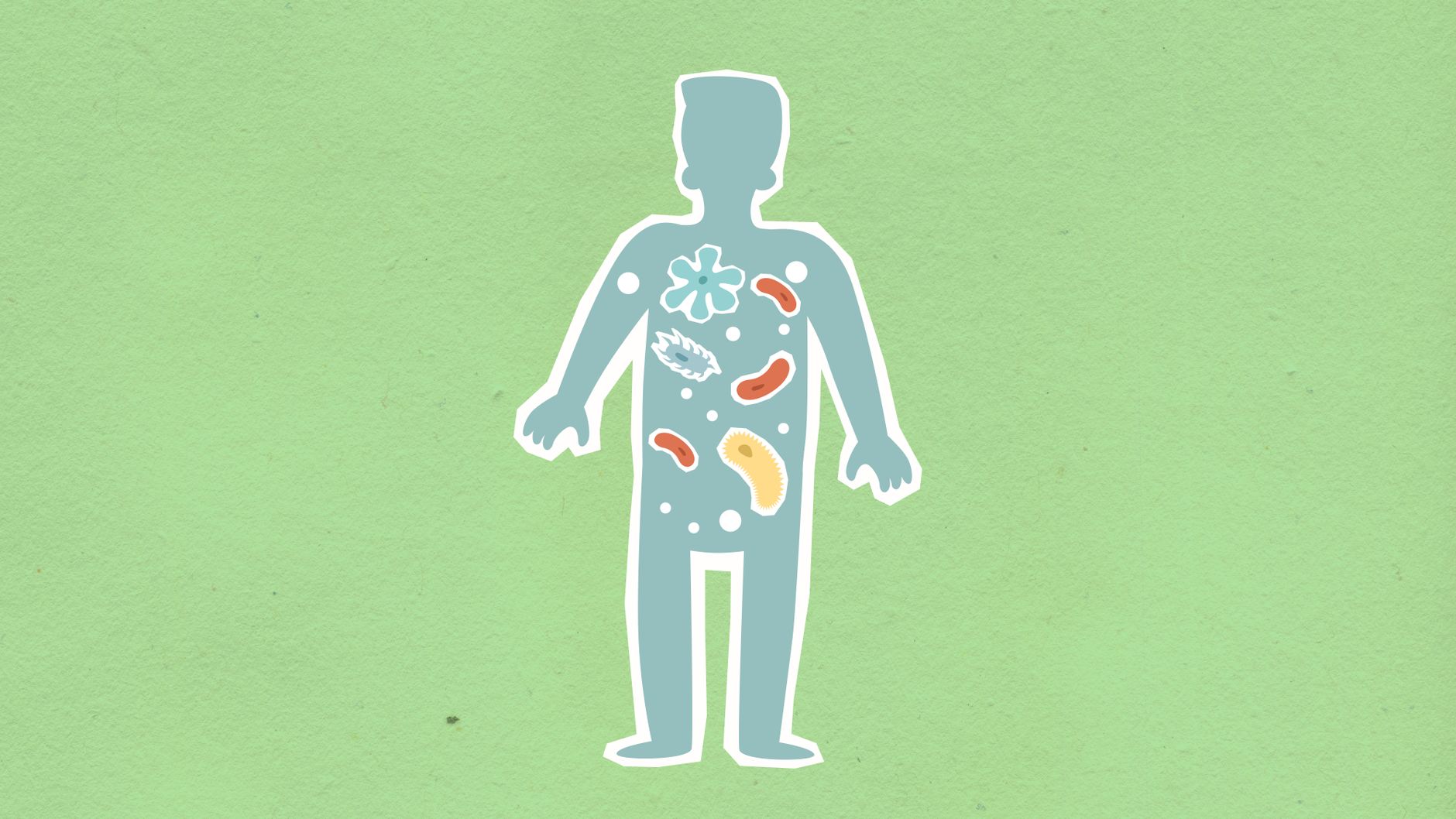
Gut health for beginners starts with one simple idea: your digestive system is home to a busy community of microbes that can influence digestion, regularity, nutrient absorption, and immune function. If you have been dealing with bloating, gas, or that heavy sluggish feeling after meals, learning the basics can help you make sense of what your body may be asking for.
This guide is designed to make gut health feel practical instead of overwhelming. You do not need a perfect diet or a shelf full of supplements to support a healthy gut. You need a few repeatable habits, a better understanding of the gut microbiome, and a realistic plan you can follow day by day.
What Is Gut Health?
Gut health refers to how well your digestive system and gut microbiome are functioning together. In simple terms, the gut microbiome is the large community of bacteria and other microorganisms that live throughout your digestive tract and help with everyday digestive processes.
Some of these microbes are beneficial. They help break down certain parts of food, support regular bowel function, and help keep the digestive environment balanced. Others can become more of a problem when they grow out of proportion. Think of your gut like a garden. The beneficial bacteria are the plants you want to grow, and your daily food choices act like the fertilizer and water that shape what thrives.
Balance matters because a healthy gut is not about removing every harmful microbe. It is about creating an environment where beneficial bacteria have enough support to keep the system working smoothly. Research from Harvard Health explains that good gut bacteria help digest food, absorb nutrients, and support immune function, while also helping keep less helpful bacteria in check.
If you want a deeper introduction to the basics, our guide to understanding gut health explains how this digestive ecosystem works in more detail.
Why Gut Health Matters
Gut health matters because your digestive system does much more than process meals. A balanced gut microbiome supports digestion, helps your body absorb nutrients from food, interacts with immune defenses, and can influence how steady and comfortable you feel after eating.
Digestion is the most obvious place people notice the difference. According to the National Institute of Diabetes and Digestive and Kidney Diseases, your digestive system breaks food into smaller parts that your body can absorb and use for energy, growth, and cell repair. Gut bacteria also help with parts of digestion, especially lower in the intestinal tract.
Nutrient absorption is another key reason to care about digestive health. Even a nutrient-rich diet is less useful if your digestive system is not working efficiently. Your small intestine absorbs most nutrients, and your broader digestive process helps move those nutrients where your body needs them.
Immune support is part of the picture too. Harvard Health notes that a healthy microbiota can improve immune system functioning and help reduce damaging inflammation. That does not mean gut health controls everything, but it does mean your daily eating and lifestyle habits can shape more than your stomach comfort alone.
Overall well-being often follows the same pattern. When digestion feels more predictable, it is easier to feel lighter, more comfortable, and more in control of your routine. That is why gut health for beginners is less about chasing perfection and more about building a stronger foundation.
Signs Your Gut May Need More Support
Your body often gives simple signals when your gut could use more support. Occasional bloating, gas, digestive discomfort, irregular bowel habits, or feeling unusually sluggish after meals can all be signs that your routine may need more fiber, more hydration, or a better balance of gut-friendly foods.
These symptoms do not always point to one single cause. Sometimes it is low fiber intake. Sometimes it is eating quickly, drinking too little water, or relying heavily on highly processed foods. In other cases, it may be a sign that certain foods do not agree with your body’s unique signals as well as others.
If bloating is one of the issues you notice most often, our article on Probiotics for Bloating: Do They Work? Eating can help you spot common triggers and practical next steps.
Simple Daily Habits for Better Gut Health

The best way to improve gut health is usually through small daily habits that are easy to repeat. Eating more fiber, adding probiotic foods and prebiotic foods, staying hydrated, managing stress, moving regularly, and protecting your sleep can all help create a healthier digestive environment over time.
Start with fiber because it is one of the most practical tools for a healthy gut. Fiber helps support regular bowel function and also feeds beneficial gut bacteria. Oats, beans, berries, vegetables, nuts, seeds, and whole grains are all simple places to begin. If your current intake is low, add more gradually so your system has time to adjust.
Include probiotic foods when you can. Yogurt with live cultures, kefir, sauerkraut, kimchi, and other fermented foods can add helpful microbes to your diet. They are not magic fixes, but they can be useful as part of a balanced routine.
Prebiotic foods are just as important because they feed the helpful bacteria already living in your gut. Common examples include onions, garlic, bananas, oats, beans, asparagus, and other fiber-rich plant foods. If probiotic foods are the seeds, prebiotic foods are the nourishment that helps those seeds grow.
Water matters more than many beginners realize. Hydration helps fiber do its job and supports smoother digestion. Regular exercise can also help digestive health by encouraging movement through the digestive tract, while stress management and enough sleep can make it easier for your whole system to stay steady instead of reactive.
If you want a practical food-based routine to follow, our 7-day gut health diet plan for beginners shows how to turn these habits into simple meals.
Best Foods for a Healthy Gut
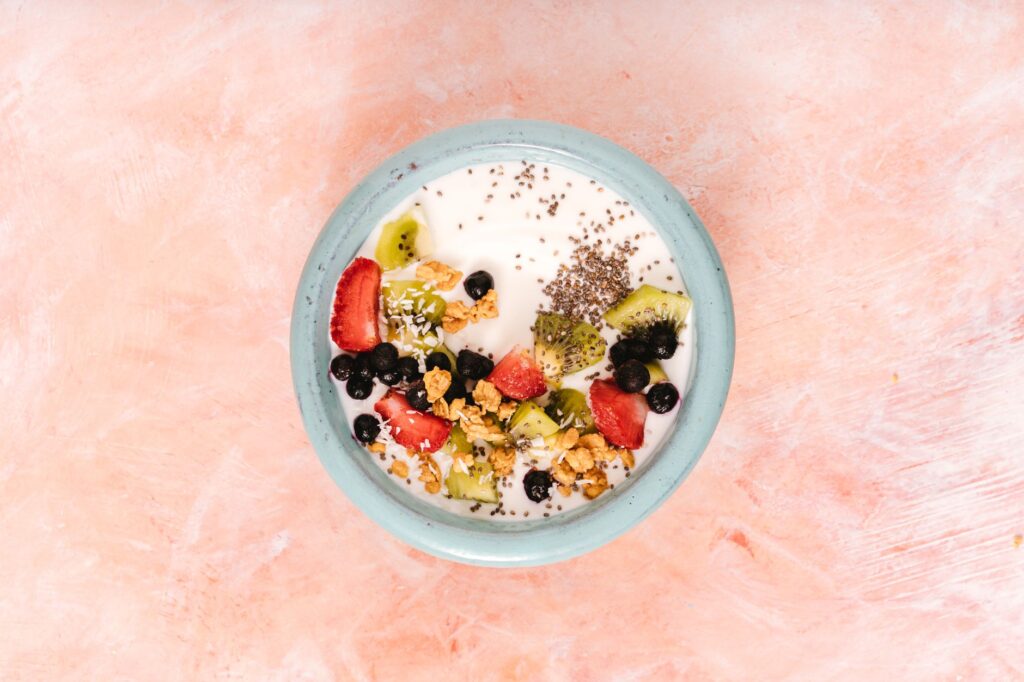
The best foods for gut health are usually everyday whole foods you can eat consistently. For most people, that means a mix of fiber-rich plants, fermented foods, and minimally processed staples that support both digestion and the gut microbiome without making meals complicated.
Yogurt and kefir are two of the most familiar probiotic foods. They are easy to include at breakfast or as a snack, and they pair well with fruit, oats, nuts, and seeds. Fermented foods such as sauerkraut, kimchi, and miso can also bring variety and support a healthy gut when used in tolerable amounts.
Fruits and vegetables are essential because they provide fiber, water, and plant compounds that help support digestive health. Berries, apples, bananas, kiwi, leafy greens, broccoli, carrots, asparagus, and Brussels sprouts are all beginner-friendly options. Whole grains like oats, brown rice, barley, and quinoa add more fiber and staying power to meals.
Beans, lentils, nuts, and seeds are especially helpful because they support both fullness and the gut microbiome. They also make it easier to eat a wider variety of plant foods, which can help create a more resilient digestive environment over time.
Foods to Limit
You do not need to fear foods to support a healthy gut, but some eating patterns can make digestive balance harder to maintain. Highly processed foods, excess added sugar, excess alcohol, and highly refined carbohydrates may crowd out the fiber-rich and minimally processed foods your gut tends to use best.
This does not need to become an all-or-nothing rule. Consistency matters far more than perfection. A dessert or a convenience meal will not undo your progress, but building most meals around whole foods gives your gut microbiome more of the support it needs on a regular basis.
Can Gut Health Supplements Help?
Gut health supplements can help in some cases, but they work best as support for a strong food and lifestyle routine rather than as a shortcut. Probiotics add live microorganisms, prebiotics provide fuel for beneficial bacteria, and digestive enzymes are sometimes used to support the breakdown of certain foods.
Because no two microbiomes are the same, the best supplement approach depends on your diet, symptoms, and goals. Some people do well starting with probiotic foods and extra fiber before trying a supplement. Others prefer the structure of a daily product alongside those habits. If you are ready to explore targeted support, visit the Healthieme Gut Health Supplements page to compare options built for a food-first routine.
If you are experiencing these symptoms, Healthieme can help you think through practical next steps and how gut health supplements may fit into your routine.
Getting Started: A Simple Beginner Action Plan
The easiest way to begin is to pick a few actions you can repeat this week. Gut health for beginners improves faster when you focus on simple habits you can sustain instead of trying to change everything at once.
Start by adding one fiber-rich food to breakfast, such as oats, fruit, or chia seeds. Add one serving of probiotic foods a few times per week, like yogurt or kefir. Include one prebiotic food each day, such as beans, onions, bananas, or oats. Drink water regularly instead of waiting until you feel very thirsty.
Make movement part of your routine, even if that means a short walk after meals. Slow down when you eat so your body has a better chance to register fullness and digest more comfortably. Finally, notice patterns instead of chasing perfection. If one food leaves you feeling worse, that feedback matters.
Ready to add targeted support to your routine? Healthieme can help you compare gut health supplements and build a plan that fits your goals without making the process feel complicated.