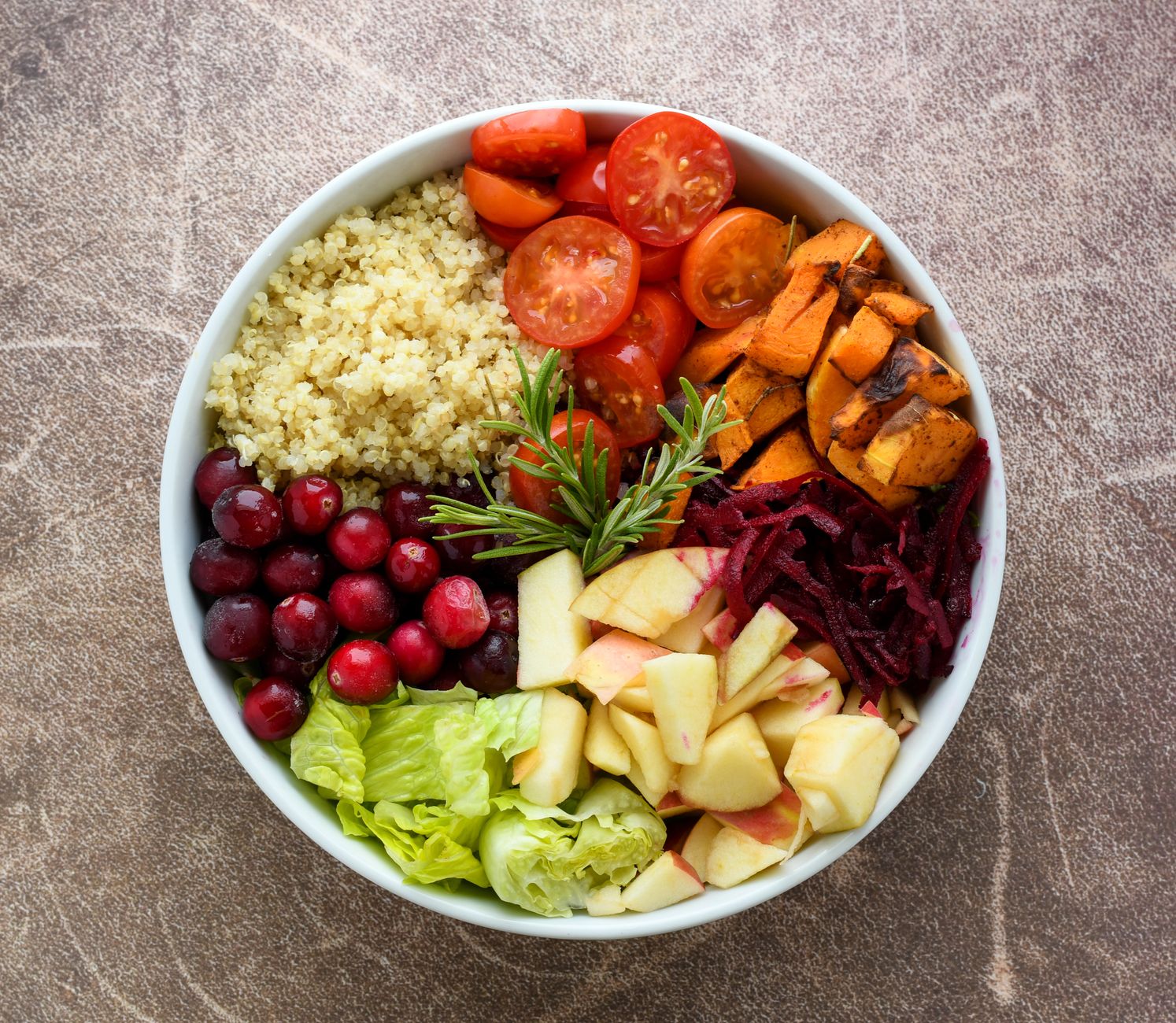
If your digestion has felt off lately, your daily meals are one of the most practical places to start. A simple 7-day gut health diet plan can help you add more fiber, include probiotic foods, and build steady habits that support a healthier gut microbiome without turning your routine upside down.
Think of your gut like a garden. The foods you eat act as the fertilizer, water, and ongoing care that help healthy gut bacteria grow. According to Harvard Health, fiber-rich and fermented foods can support the gut microbiome, which is why small daily food changes matter so much over time.
This beginner-friendly guide walks you through a realistic gut health diet plan for seven days. You do not need a perfect menu or a major reset. You need a manageable rhythm, a few gut-friendly foods, and enough consistency to let your body respond.
What Is A Gut Health Diet?
A gut health diet is simply a way of eating that gives your digestive system and your gut bacteria the kinds of foods they tend to use best. The focus is less on restriction and more on regularly eating whole, fiber-rich, minimally processed foods.
Fiber is the foundation. Many foods for gut health are naturally high in fiber, including oats, beans, berries, vegetables, nuts, and seeds. Fiber helps move waste through the digestive tract and also feeds beneficial gut microbes. If you want a deeper primer on the basics, our guide to gut health explains how your digestive ecosystem works in everyday language.
Prebiotic foods are another key piece. These are foods that contain specific fibers your microbes can use as fuel. Common prebiotic foods include onions, garlic, leeks, asparagus, oats, bananas, beans, and whole grains.
Probiotic foods add live microorganisms to the diet. Yogurt with live cultures, kefir, sauerkraut, kimchi, and miso are common probiotic foods. They are not magic fixes, but they can be useful additions to a balanced pattern of eating.
Whole foods matter because they usually come packaged with fiber, water, and plant compounds that processed foods often lack. Plant diversity matters too. The more variety you eat across fruits, vegetables, legumes, grains, nuts, and seeds, the more types of nutrients you offer your microbiome.
Hydration and healthy eating habits round out the picture. Water helps fiber do its job, and slower, more mindful meals can help you improve digestion naturally by reducing the rushed, distracted eating that often leaves people feeling overly full or bloated.
How This 7-Day Gut Health Plan Works
This 7-day gut health diet plan is designed to help beginners practice one main gut-friendly focus each day. Instead of trying to change everything at once, you build from simple meals into more consistent habits.
The foods in this plan were chosen because they are easy to find, practical to prepare, and naturally rich in fiber, prebiotics, probiotics, or a mix of all three. You will notice familiar basics like oatmeal, yogurt, beans, brown rice, fruit, cooked vegetables, and fermented foods in modest portions.
Gradual changes are easier to maintain than an overnight overhaul. If you suddenly double your fiber intake, your gut may push back with gas or bloating. A slower approach often feels better and makes it more likely that the habit will stick.
Consistency matters more than perfection. One balanced meal will not transform your gut, but repeating simple choices across days can help healthy gut bacteria get the regular fuel they need. If you want more ideas on feeding your microbiome, see our article on foods that feed good gut bacteria.
7-Day Gut Health Diet Plan
Day 1: Focus on Fiber
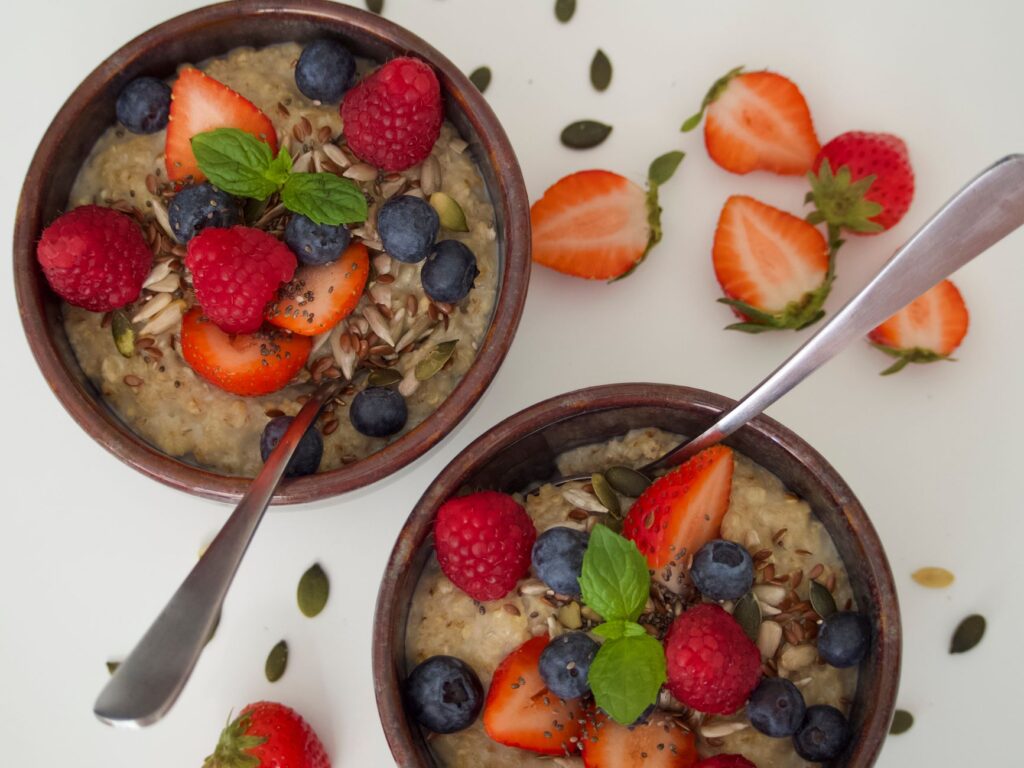
Start with fiber because it is the backbone of a beginner gut health diet plan. The goal today is not to max out your intake. It is to include fiber at each meal in a simple, comfortable way.
Breakfast: Oatmeal topped with chia seeds, blueberries, and a spoonful of almond butter.
Lunch: Brown rice bowl with chickpeas, cucumber, spinach, olive oil, and lemon.
Dinner: Baked salmon, roasted sweet potato, and steamed broccoli.
Snack options: Apple slices, carrots with hummus, or a handful of walnuts.
Day 2: Add More Probiotic Foods
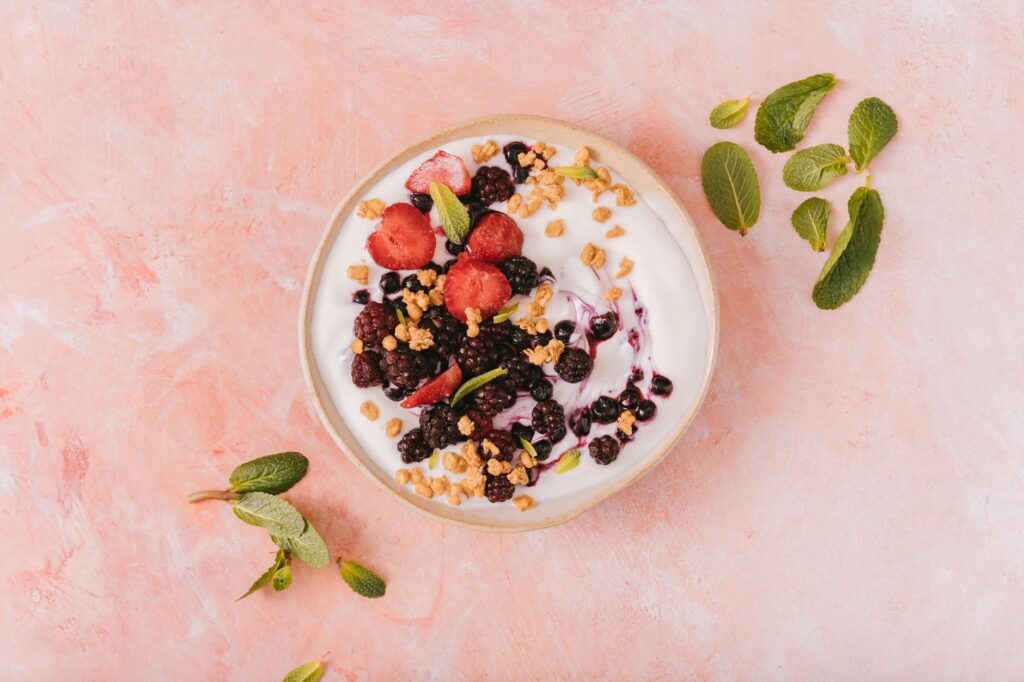
Today adds probiotic foods while keeping meals balanced. The aim is to pair fermented foods with regular whole foods instead of treating them like stand-alone solutions.
Breakfast: Plain yogurt with live cultures, strawberries, oats, and pumpkin seeds.
Lunch: Turkey and avocado wrap on a whole grain tortilla with a side of sauerkraut.
Dinner: Stir-fry with tofu, brown rice, mixed vegetables, and a small side of kimchi.
Snack options: Kefir smoothie with banana, or plain yogurt with cinnamon.
Day 3: Increase Plant Variety
A more varied plate can support a more varied microbiome. Today, try to include several colors and types of plant foods across fruits, vegetables, whole grains, and legumes.
Breakfast: Overnight oats with raspberries, kiwi, flaxseeds, and chopped pecans.
Lunch: Lentil soup with a side salad made with mixed greens, tomatoes, carrots, and cucumber.
Dinner: Quinoa with black beans, roasted zucchini, bell peppers, and corn.
Snack options: Pear, edamame, or sliced red pepper with guacamole.
Day 4: Support Healthy Gut Bacteria
Now the plan leans into prebiotic foods and fiber-rich meals. These foods help nourish healthy gut bacteria by giving them fermentable fuel throughout the day.
Breakfast: Whole grain toast with mashed banana and a side of plain kefir.
Lunch: Grain bowl with farro, roasted asparagus, white beans, arugula, and olive oil.
Dinner: Chicken, onions, garlic, carrots, and barley soup with a side of cooked greens.
Snack options: Roasted chickpeas or a small bowl of berries with sunflower seeds.
Day 5: Improve Digestion Naturally
Balanced meals, hydration, and slower eating can help you improve digestion naturally. Today is about how you eat as much as what you eat.
Breakfast: Scrambled eggs with spinach and a side of oatmeal.
Lunch: Baked potato topped with cottage cheese, chives, and a side salad.
Dinner: Grilled chicken, quinoa, roasted carrots, and green beans.
Snack options: Orange slices, plain yogurt, or a handful of almonds.
Healthy habit: Drink water regularly through the day and eat without multitasking whenever possible.
Day 6: Build A Balanced Gut-Friendly Plate
A balanced plate makes gut-friendly eating easier to repeat. Aim for protein, fiber, healthy fats, and complex carbohydrates in the same meal so you feel satisfied and steady.
Breakfast: Greek yogurt bowl with oats, chia seeds, banana, and walnuts.
Lunch: Salmon salad with mixed greens, quinoa, cucumber, olives, and pumpkin seeds.
Dinner: Turkey chili with beans, tomatoes, onions, and brown rice.
Snack options: Trail mix with nuts and seeds, or apple with peanut butter.
Day 7: Create Long-Term Gut Health Habits
The final day shifts from a short plan to a sustainable routine. Long-term gut health usually comes from repeatable meals, simple prep, and realistic expectations rather than chasing perfect eating.
Breakfast: Oats with kefir, berries, and ground flaxseeds.
Lunch: Leftover grain bowl or soup with an added side of raw vegetables.
Dinner: Baked tofu or fish, brown rice, roasted Brussels sprouts, and avocado.
Snack options: Yogurt, fruit, or hummus with cucumber.
Meal prep tip: Wash produce, cook one grain, and prepare one bean-based dish ahead of time so your next week starts easier.
Best Foods To Include On A Gut Health Diet
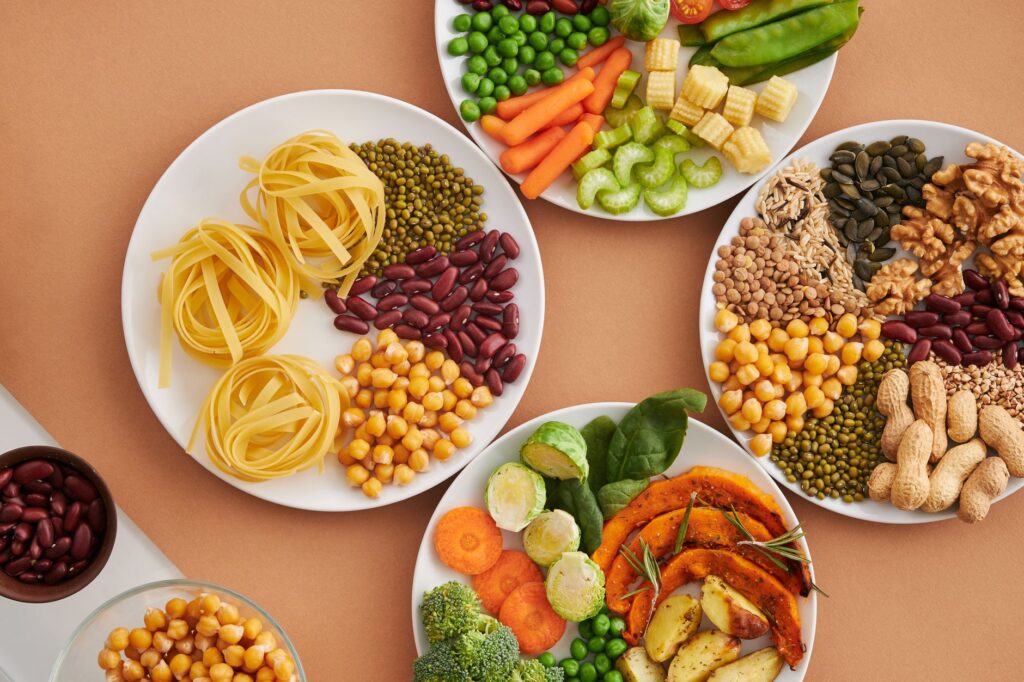
The best gut-friendly foods are the ones you can eat regularly and tolerate well. For most beginners, that means building meals around simple whole foods instead of chasing specialty products.
Useful staples include vegetables like broccoli, carrots, spinach, asparagus, and Brussels sprouts; fruits like berries, apples, kiwi, bananas, and pears; beans and legumes like lentils, chickpeas, and black beans; whole grains like oats, brown rice, barley, and quinoa; fermented foods like yogurt, kefir, sauerkraut, and kimchi; and nuts and seeds like walnuts, chia seeds, flaxseeds, and pumpkin seeds.
Many of these foods overlap with prebiotic foods and probiotic foods, which is one reason they work so well in a practical gut health diet plan.
Foods To Limit For Better Gut Health
You do not need to fear foods to support your gut. Still, limiting certain patterns can make it easier for healthy gut bacteria to thrive and may reduce digestive stress for some people.
Try to keep highly processed foods, excess added sugar, frequent artificial additives, and excess alcohol in a smaller role. Harvard Health notes that a healthy diet low in processed foods is key to a healthy gut microbiome, which makes this a useful guideline without turning it into an all-or-nothing rule.
Beginner Tips For Following A Gut Health Diet Plan
The easiest way to stay with a 7-day gut health diet plan is to keep it flexible. You are learning your body’s unique signals, not trying to win a perfection contest.
Start slowly, especially with beans, whole grains, and raw vegetables if your current fiber intake is low. Increase fiber gradually so your digestive system has time to adapt. Drink enough water because the large intestine absorbs water during digestion, and hydration helps fiber move through the system more comfortably. Focus on consistency over intensity, and pay attention to how different gut-friendly foods make you feel.
If you want extra support beyond food, Healthieme offers gut health supplements designed to fit alongside healthy daily habits. Ready to add targeted support to your routine? We invite you to explore options that complement a food-first approach.
If you are building a routine and want help choosing next steps, Healthieme can help you compare practical food habits with gut health supplements that fit your goals.
Frequently Asked Questions
What should I eat for better gut health?
Start with whole foods that provide fiber and variety, such as oats, beans, vegetables, fruit, nuts, seeds, and whole grains. You can also include probiotic foods like yogurt with live cultures or kefir if they work well for you.
How quickly can diet improve gut health?
Some people notice digestion feels better within days, while steadier changes in eating habits usually become more meaningful over several weeks. The key is repeating simple choices often enough for your routine to change.
Can beginners follow a gut health diet?
Yes. In fact, beginners often do best with a simple gut health diet plan because it focuses on familiar foods and gradual upgrades rather than strict rules.
Should I take a probiotic while changing my diet?
A probiotic may be a helpful add-on for some people, but it should not replace fiber, whole foods, and regular meals. Starting with food first gives your body a stronger long-term foundation, and supplements can be considered as a secondary layer.
Conclusion
A balanced 7-day gut health diet plan gives beginners a practical way to support digestion through fiber, prebiotic foods, probiotic foods, hydration, and more whole foods overall. You do not need to change everything overnight. Start with one meal, one habit, one grocery swap, and let consistency do the heavy lifting. Contact Healthieme today to explore gut health supplements and simple next steps for building a stronger daily routine.
Related Articles
Understanding gut health basics
Foods that feed good gut bacteria
How long it takes to improve gut health habits
Signs your gut may need more support
Prebiotics vs probiotics explained
Frequently Asked Questions
What should I eat for better gut health?
Start with whole foods that provide fiber and variety, such as oats, beans, vegetables, fruit, nuts, seeds, and whole grains. You can also include probiotic foods like yogurt with live cultures or kefir if they work well for you.
How quickly can diet improve gut health?
Some people notice digestion feels better within days, while steadier changes in eating habits usually become more meaningful over several weeks. The key is repeating simple choices often enough for your routine to change.
Can beginners follow a gut health diet?
Yes. Beginners often do best with a simple gut health diet plan because it focuses on familiar foods and gradual upgrades rather than strict rules.
Should I take a probiotic while changing my diet?
A probiotic may be a helpful add-on for some people, but it should not replace fiber, whole foods, and regular meals. Starting with food first gives your body a stronger long-term foundation, and supplements can be considered as a secondary layer.