
Gut health depends on more than taking a trendy capsule or eating one “healthy” food. The real goal is supporting a balanced gut microbiome, the community of microorganisms that helps digest food, interact with your immune system, and influence how your digestive tract functions day to day. That is where the prebiotics vs. probiotics conversation matters. People often use the terms interchangeably, but they do very different jobs.
If you have been trying to reduce bloating, improve regularity, or build better digestive habits, understanding the difference between prebiotics and probiotics can help you make smarter food and supplement choices. Think of your gut like a garden. Probiotics are the helpful seeds, while prebiotics are the nourishment that helps those seeds grow. You usually need both if you want healthier, more resilient gut bacteria over time.
What Are Probiotics?
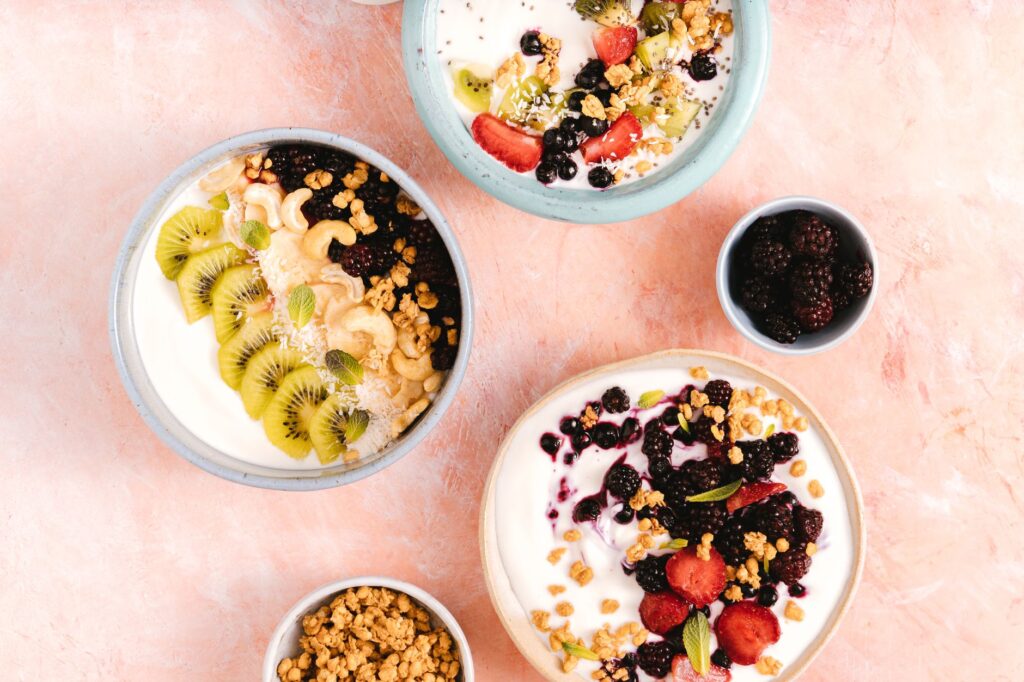
Probiotics are live microorganisms that may benefit health when consumed in adequate amounts. In simple terms, they are beneficial bacteria and yeasts that can add to the population of healthy gut bacteria already living in your digestive system. When people talk about probiotics and prebiotics, probiotics are the “live” side of the equation.
These organisms work by introducing helpful microbes into the gut. Different strains may do different things, which is why not every probiotic product works the same way. Common probiotic strains include Lactobacillus, Bifidobacterium, and Saccharomyces boulardii. Some formulas are designed for general digestive balance, while others focus on occasional bloating, bowel regularity, or support after antibiotics.
Food sources of probiotics include yogurt with live cultures, kefir, sauerkraut, kimchi, miso, tempeh, and other fermented foods. These foods naturally contain live microbes created during fermentation. They can be a practical way to add variety to your routine, though the exact strains and amounts may vary by product.
Probiotic supplements can offer a more targeted option. Many people consider them when they want convenience, more consistent strain labeling, or added support during periods of digestive disruption. If you are exploring that route, our guide to choosing the best gut health supplements for better digestion can help you compare ingredients with more confidence. Healthieme gut health supplements are also designed to fit into a broader routine built on food, fiber, and sustainable daily habits rather than quick-fix thinking.
What Are Prebiotics?
Prebiotics are types of fiber and other compounds that your body does not fully digest, but your beneficial gut bacteria can use as fuel. In the prebiotics vs. probiotics discussion, prebiotics are not bacteria themselves. Instead, they feed the helpful microbes already living in your gut and help them thrive.
This is why prebiotic fiber matters so much. When beneficial bacteria ferment certain fibers in the colon, they produce compounds that help support the gut environment. You do not need a perfect diet to benefit. One meal, one snack, and one fiber-rich choice at a time can start moving your microbiome in a better direction.
Common prebiotic foods include garlic, onions, leeks, asparagus, bananas, oats, beans, chicory root, Jerusalem artichokes, and many other plant foods. These foods provide the raw material that healthy gut bacteria use to grow. A varied, fiber-rich eating pattern is one reason many gut-friendly meal plans emphasize plants, legumes, and whole grains. If you want practical ways to build that routine, this 7-day gut health diet plan for beginners offers simple meal ideas that naturally increase prebiotic foods.
Prebiotics also support microbiome diversity. That matters because a more varied microbial ecosystem is generally considered a stronger and more adaptable one. Your body’s unique signals still matter, though. Some people tolerate beans and onions well, while others need to build up slowly, especially if they are prone to gas or bloating.
Prebiotics vs. Probiotics: Key Differences
The difference between prebiotics and probiotics comes down to what they are and how they work. Probiotics are live microorganisms. Prebiotics are the compounds, usually fibers, that feed those microorganisms. One adds beneficial microbes, and the other helps nourish them.
| Category | Probiotics | Prebiotics |
|---|---|---|
| Definition | Live beneficial microorganisms | Compounds, often fibers, that feed beneficial gut bacteria |
| How they work | Introduce helpful microbes into the digestive system | Nourish existing healthy gut bacteria |
| Main benefits | Support digestive balance and microbial replenishment | Support bacterial growth and microbiome diversity |
| Food sources | Yogurt, kefir, kimchi, sauerkraut, fermented foods | Garlic, onions, leeks, asparagus, bananas, oats, beans |
| Supplement options | Capsules, powders, gummies, fermented blends | Fiber powders, synbiotic blends, targeted prebiotic formulas |
When people search prebiotics vs. probiotics, they are often hoping one is “better.” Usually, that is the wrong question. Probiotics and prebiotics do not compete. They complement each other, and most people benefit more from looking at the full picture of diet quality, fiber intake, food variety, and supplement fit.
Why Your Gut Needs Both Prebiotics and Probiotics
Your gut often does best when probiotics and prebiotics work together. Probiotics can help add helpful organisms, while prebiotics provide the fuel those organisms and other resident microbes need. Without enough fermentable fiber, taking probiotics alone may be a less complete strategy for supporting a healthy microbiome.
This pairing is one reason some products are called synbiotics. They combine probiotic strains with prebiotic ingredients in a single formula. Even without a synbiotic supplement, you can create the same concept on your plate by pairing fermented foods with fiber-rich plants. For example, yogurt with oats and banana or a grain bowl with kimchi and beans can bring both sides together.
Overall diet quality still matters most. A supplement can support your plan, but it usually cannot compensate for a routine built around very low fiber intake and minimal plant diversity. If digestion feels inconsistent, zooming out to your broader food pattern is often more useful than chasing a single ingredient.
If you are dealing with frequent digestive discomfort, Healthieme can help you think through food-first habits and supportive supplement options that make sense for your goals.
Best Foods With Probiotics
The best probiotic foods are fermented foods that contain live cultures. They are an accessible way to introduce beneficial microbes and add flavor variety at the same time. Start with small portions if your system is sensitive, and pay attention to how your body responds.
Yogurt with live cultures is the probiotic food many people know best. It is versatile, widely available, and easy to pair with prebiotic foods like oats or banana. Kefir is another strong option, often offering a tangy drinkable form of fermented dairy. Sauerkraut and kimchi bring probiotics plus bold taste, while fermented foods like miso and tempeh can work well in savory meals.
The key is consistency, not perfection. You do not need to eat every fermented food on the shelf. A repeatable habit, such as yogurt at breakfast or a spoonful of sauerkraut with lunch, is often more realistic and more helpful over time.
Best Foods With Prebiotics
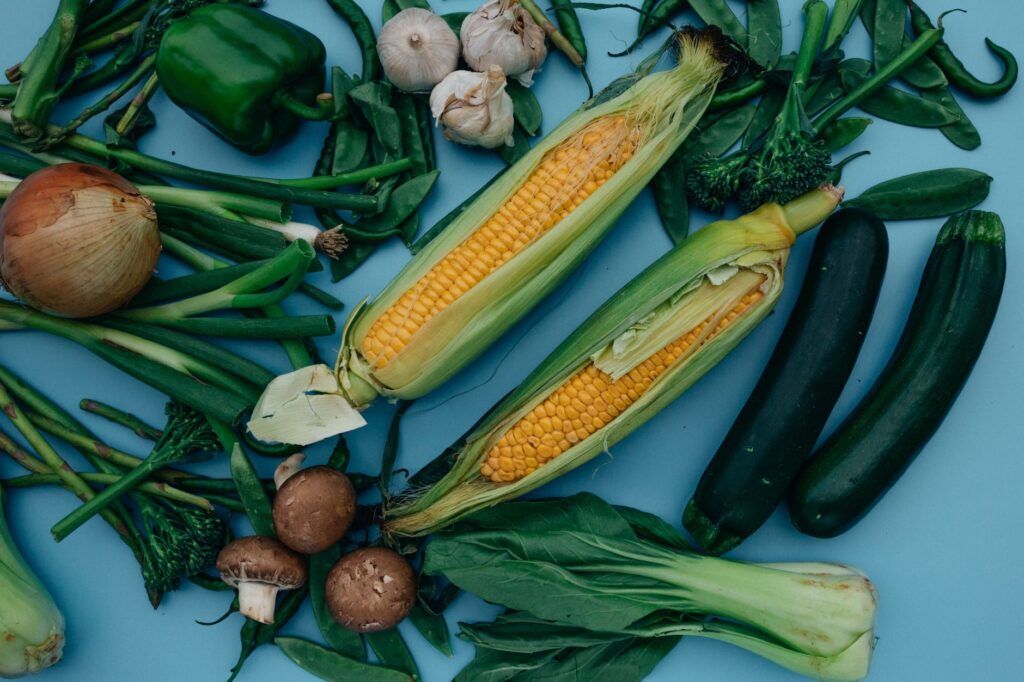
The best prebiotic foods are everyday plant foods that feed beneficial bacteria. They are usually less glamorous than supplements, but they are the foundation of long-term gut support. If your current intake is low, increase gradually so your digestive system has time to adjust.
Garlic, onions, leeks, and asparagus are classic prebiotic choices. Bananas, especially slightly green ones, can also contribute prebiotic fiber. Oats and beans are especially practical because they support gut health while also making meals more filling and balanced. These foods are simple, affordable, and easy to build into soups, bowls, breakfasts, and snacks.
If bloating tends to follow higher-fiber meals, it may help to review patterns rather than assume fiber is the problem. Portion size, eating speed, and your baseline gut sensitivity all matter. Our article on why bloating happens after eating and practical fixes can help you identify what your body may be telling you.
Should You Take Prebiotics, Probiotics, Or Both?
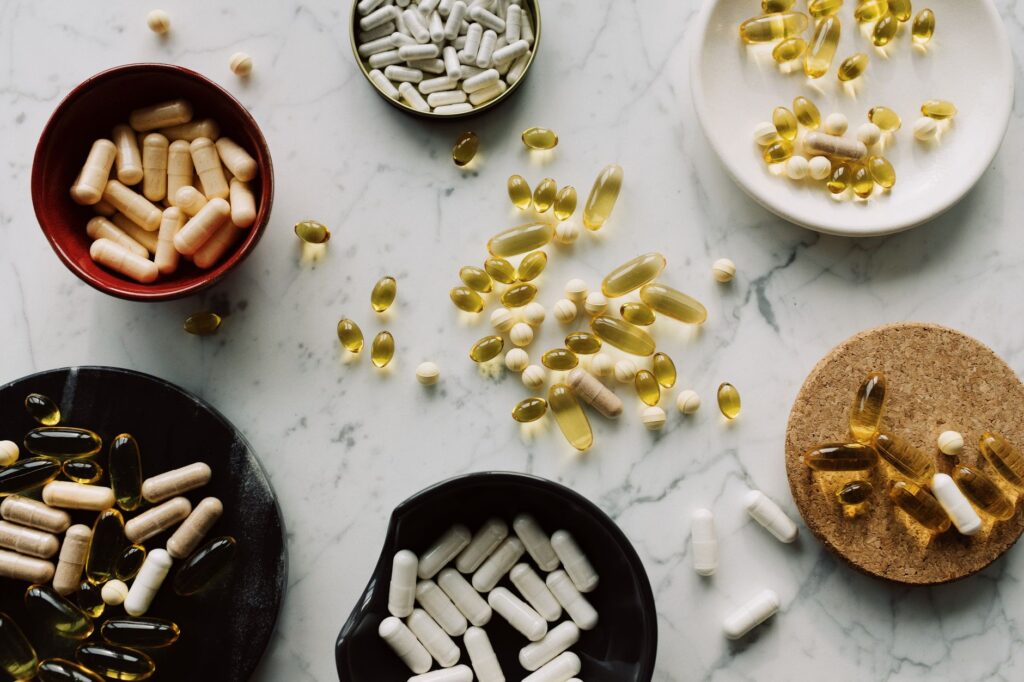
Supplements can be useful, but the best choice depends on your diet, symptoms, and goals. Some people do well focusing first on food. Others prefer the structure of probiotic supplements, prebiotic fiber, or a combined formula when they want more targeted support.
Probiotic supplements may be useful when you want a labeled strain blend and a convenient daily routine. Prebiotic supplements may help if your diet is low in fermentable fiber or if you struggle to eat enough plant variety. A combined approach can make sense when you want to support both the introduction and nourishment of beneficial microbes.
Individual needs differ. Someone with a diverse, fiber-rich diet may not need the same support as someone eating very few plant foods. Someone with IBS-like symptoms may need to be more selective with certain fibers. Because no two microbiomes are the same, the most effective approach is the one your body confirms through steadier digestion, better tolerance, and habits you can actually maintain.
If you are ready to add targeted support to your routine, Healthieme can help you compare gut health supplements with a focus on quality ingredients, clear labeling, and realistic expectations.
Common Mistakes People Make
Most gut-support routines fail for simple reasons, not because the idea was wrong. The biggest mistakes are taking probiotics without enough fiber, ignoring overall diet quality, expecting immediate results, and buying supplements without researching ingredients or strain details.
Taking probiotics without enough prebiotic fiber is like planting seeds in dry soil. The environment matters. Another common issue is focusing on one product while meals stay low in plant foods and high in ultra-processed convenience items. That does not mean you need to eat perfectly, but it does mean your daily pattern matters more than occasional healthy choices.
Many people also expect instant changes. Gut health usually improves through consistent habits, not overnight fixes. Finally, supplement quality matters. Research the strains, look at the ingredient list, and choose brands that explain what is actually in the product instead of leaning on vague marketing.
Frequently Asked Questions
Are prebiotics better than probiotics?
Neither is automatically better. In the prebiotics vs. probiotics debate, each serves a different purpose. Probiotics add beneficial organisms, while prebiotics feed them. Many people get the best results from combining both within a fiber-rich, varied diet.
Can you take prebiotics and probiotics together?
Yes, you can take prebiotics and probiotics together. In fact, pairing them often makes sense because prebiotics help nourish the healthy gut bacteria that probiotics introduce or support.
Do probiotics need prebiotics to work?
Not in a strict all-or-nothing way, but prebiotics can help create a more supportive environment for beneficial bacteria. That is one reason diet quality and fiber intake matter alongside probiotic supplements.
How long does it take to improve gut health?
It depends on your starting point and what changes you make. Some people notice shifts in digestion within days or weeks of eating more fiber and fermented foods, while broader microbiome support usually depends on consistent long-term habits.