

Bloating and gas are common digestive complaints, and they can make even healthy meals feel uncomfortable. Many people start searching for the best supplements for bloating and gas because they want practical support, not hype. The good news is that some bloating supplements may help, especially when they match your symptoms, eating habits, and overall gut health goals.
Think of your gut like a garden. Beneficial bacteria are the plants you want to grow, and your daily habits help determine what thrives. Supplements can sometimes support that environment, but they usually work best alongside slower eating, better hydration, more consistent meals, and a realistic plan to improve gut health naturally.
What Causes Bloating and Gas?
Bloating and gas often happen because air is swallowed during eating, food is fermented by gut bacteria, or digestion slows down enough for pressure to build. According to the National Institute of Diabetes and Digestive and Kidney Diseases, gas normally enters the digestive tract through swallowed air and when bacteria break down certain undigested carbohydrates. The NIDDK explains these common causes here.
Eating habits matter more than many people realize. Fast meals, carbonated drinks, chewing gum, and talking while eating can all increase swallowed air. Food sensitivities can also play a role. Some people notice more symptoms after dairy, beans, onions, high-fat meals, or sugar alcohols. Digestive changes such as constipation, shifting fiber intake, stress, and age-related slowing can also make bloating feel worse.
If you have been dealing with bloating for years, you already know how discouraging generic advice can feel. The honest answer is that it depends on your body’s unique signals. That is why the best gas relief supplements are not always the same for everyone.
What To Look For In a Bloating Supplement
A good bloating supplement should have transparent labeling, research-supported ingredients, and a clear reason for being in your routine. You do not need the longest ingredient list. You need a product that makes sense for your symptoms and is easy to use consistently.
Start with ingredient quality. Look for products that clearly list active ingredients, amounts per serving, and directions for use. With probiotic supplements, strain details matter because different strains may support different outcomes. The NIH Office of Dietary Supplements notes that probiotic labels should identify the genus, species, and strain, not just a general blend.
Next, consider dosage and fit. A product that supports lactose digestion may be more useful after dairy-heavy meals, while a fiber supplement may make more sense if you also struggle with irregularity. Clear labels, sensible instructions, and a formula aligned with your needs are usually more helpful than chasing the trendiest gut health supplements.
Best Supplements for Bloating and Gas
The best supplements for bloating and gas usually fall into a few well-known categories: probiotics, digestive enzymes, prebiotic fibers, peppermint oil, and selected fiber supplements. Each one works differently, so matching the category to your pattern of symptoms matters far more than buying everything at once.
1. Probiotic Supplements

Probiotic supplements may help support digestive comfort by influencing the balance of gut bacteria. They are often one of the first options people consider when looking for bloating supplements because the microbiome affects fermentation, stool patterns, and how the gut responds to certain foods.
Specific strains matter. A product that simply says “probiotic blend” tells you less than one that lists the exact organisms used. Some people notice the most benefit when they use probiotics consistently for several weeks rather than expecting overnight changes. If your goal is everyday digestive support, this category is often a reasonable starting point.
2. Digestive Enzyme Supplements
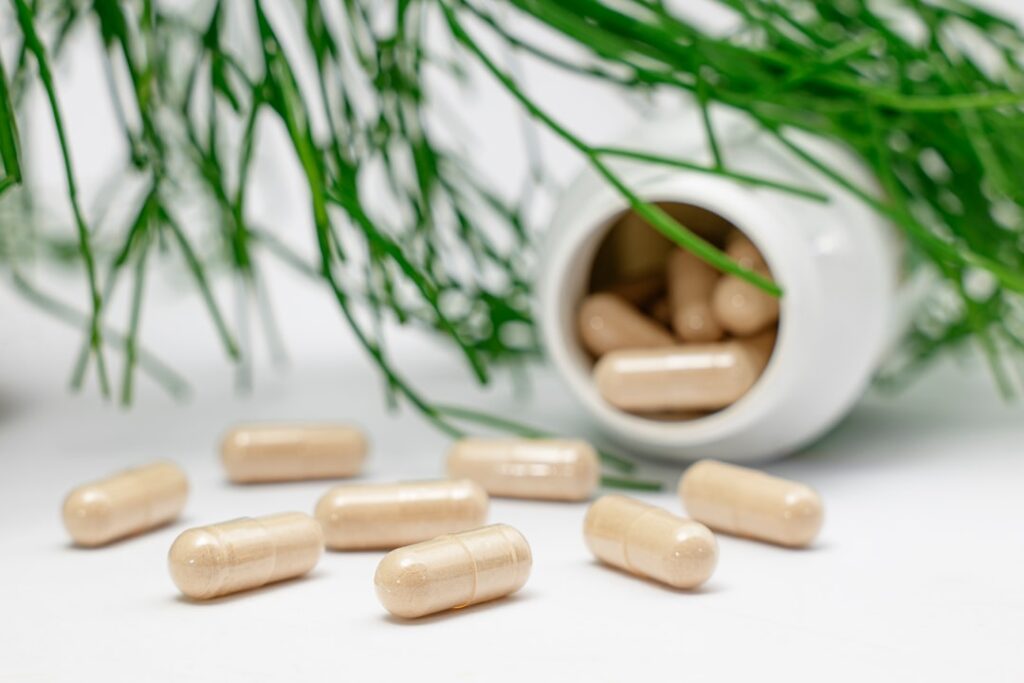
Digestive enzymes help break food down into smaller parts, which may reduce the chance that poorly digested food sits in the gut and contributes to discomfort. Enzyme support can be useful when symptoms seem tied to certain meals rather than showing up randomly.
Lactase is the best-known example because it helps digest lactose in dairy foods. Other digestive enzymes may target carbohydrates, fats, or proteins. If symptoms tend to show up after richer meals or specific trigger foods, enzyme-based gas relief supplements may be worth considering. We take a closer look at this in our guide to digestive enzymes.
3. Prebiotic Fiber Supplements
Prebiotic fiber supplements feed beneficial gut bacteria, which can support a healthier gut environment over time. Think of prebiotics as fertilizer for the garden. They do not add bacteria directly, but they help the helpful ones grow.
The key is to go slowly. Increasing prebiotic fiber too quickly can temporarily make gas and bloating worse, especially in sensitive guts. Consistency matters far more than perfection here. A small amount taken regularly is often easier to tolerate than a large dose started all at once.
4. Peppermint Oil Supplements

Peppermint oil supplements are commonly used for digestive comfort and may be appealing when bloating comes with abdominal tension or that tight, crampy feeling after meals. They are often formulated in delayed-release capsules to help the ingredient reach the intestines instead of releasing too early.
When comparing products, look for clear labeling and delivery details rather than vague marketing language. Peppermint is not the right fit for everyone, but it remains one of the more familiar options among gut health supplements aimed at occasional digestive discomfort.
5. Fiber Supplements
Certain fiber supplements can support regular digestion, which may help reduce the backup and pressure that sometimes contribute to bloating. This is especially relevant when symptoms overlap with constipation or inconsistent bowel movements.
Hydration is essential. Fiber without enough fluid can leave you feeling more uncomfortable, not less. If your routine is low in plant foods, adding fiber gradually while drinking more water is usually a smarter approach than jumping straight to a full serving on day one. If bloating tends to hit after meals, you may also find helpful strategies in this guide to bloating after eating.
How To Choose the Right Supplement for Bloating
The right supplement depends on your triggers, your diet, and the pattern of your symptoms. Start by asking whether bloating happens after dairy, large meals, high-fiber foods, stress, constipation, or random eating schedules. That answer can point you toward probiotic supplements, digestive enzymes, or fiber-based support more effectively than guesswork.
Diet quality still matters. Supplements cannot fully offset rushed eating, low fluid intake, or a heavily processed diet. Follow product instructions closely, give one supplement enough time to evaluate, and avoid switching every few days. If you want targeted options, visit the Healthieme Gut Health Supplements page to compare gut health supplements chosen for digestive goals rather than hype.
If you are experiencing these symptoms, our team at Healthieme can help you build a practical plan that fits your body and your schedule.
Common Mistakes When Using Bloating Supplements
Most bloating supplements fail because people expect instant results, stack too many products, or ignore the habits driving the symptoms. A supplement can support the process, but it usually cannot outwork fast eating, low hydration, poor sleep, and inconsistent meal patterns.
One common mistake is increasing fiber too quickly. Another is trying probiotics, enzymes, peppermint oil, and multiple powders all at once. When that happens, it becomes almost impossible to tell what is helping or what is making symptoms worse. Start with one change, track how you feel, and build from there.
Natural Ways To Reduce Bloating Along With Supplements
If you want to reduce bloating naturally, daily habits still do much of the heavy lifting. Supplements are most useful when they support a better routine, not replace one. Small, repeatable changes often improve digestive comfort more than extreme restriction ever does.
Start by eating more slowly and chewing thoroughly. Stay hydrated throughout the day instead of trying to catch up at night. Choose more gut-friendly foods such as fruit, vegetables, oats, yogurt (if tolerated), and other minimally processed meals. Regular movement can help keep digestion moving, and stress management matters because the gut and brain are closely connected. Even a short walk after meals can be helpful.
Frequently Asked Questions
What is the best supplement for bloating?
The best supplement for bloating depends on the cause. Probiotic supplements may fit people looking for broader digestive support, while digestive enzymes may help more when symptoms follow certain foods. Fiber or prebiotic support may be useful when irregularity is part of the picture.
Do probiotics help with gas?
Probiotics may help with gas for some people, especially when symptoms are linked to gut bacteria balance. Results vary by strain and by person, which is why consistency and product selection matter. Some people also notice temporary adjustment symptoms when first starting them.
How long do bloating supplements take to work?
It depends on the type. Digestive enzymes may be useful around specific meals, while probiotic supplements and some fiber-based gut health supplements often need more consistent use before you can fairly judge results. Looking for patterns over a few weeks is usually more realistic than expecting same-day change.
Can digestive enzymes reduce bloating?
They may, especially when bloating happens after foods you do not digest well. For example, lactase may be useful for dairy-related symptoms. Enzymes are most likely to help when they match the food trigger rather than being used randomly.