
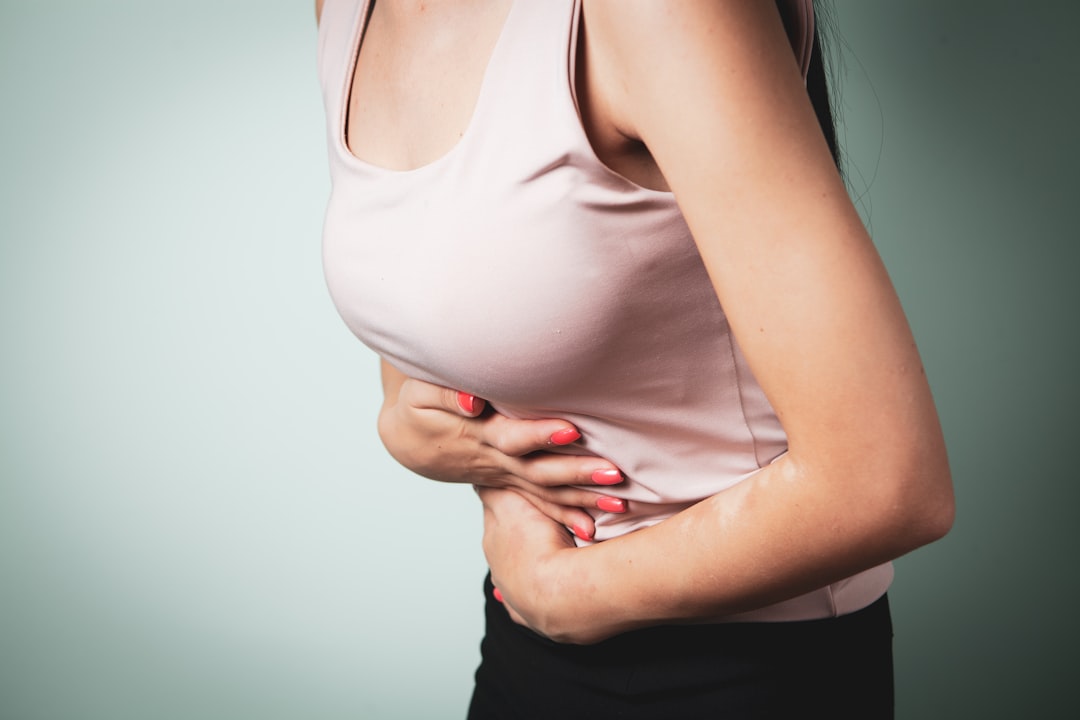
Bloating can make your stomach feel tight, swollen, gassy, or just “off,” and when it hits, most people want relief as quickly as possible. The fastest science-backed approach is usually simple: slow down your eating, take a short walk, skip carbonated drinks, and avoid the specific foods or habits that tend to trap gas or irritate your digestion.
If you have been dealing with bloating for years, you already know how easy it is to feel stuck. The frustrating part is that bloating is not one single problem. It can come from swallowed air, constipation, large meals, fermentable carbohydrates, stress, poor sleep, or a gut that is more sensitive than average. That is why real relief starts with understanding what your body is reacting to.
This guide explains how to get rid of bloating fast using practical habits that are backed by trusted medical sources. You will also learn which foods can help, which ones commonly make symptoms worse, and when occasional bloating starts to look more like an ongoing digestive concern.
What bloating actually is
Bloating is the feeling of fullness, pressure, or visible swelling in your abdomen, often linked to gas, slowed digestion, or constipation. In simple terms, your gut is either holding extra gas, moving food too slowly, or reacting more strongly to normal digestive stretching than you would expect.
Think of your gut like a busy transit system. Food needs to move through on time, fluids need to stay balanced, and gut bacteria need to process what reaches the colon without creating too much gas. When one part of that system gets backed up, your belly can feel uncomfortably full very quickly.
According to the National Institute of Diabetes and Digestive and Kidney Diseases, gas symptoms can improve by changing eating habits, meal size, and common triggers such as fizzy drinks, gum, and eating too fast.
How to get rid of bloating fast
If you want fast relief, focus on reducing trapped air, helping your gut move, and avoiding fresh triggers at your next meal. You do not need to overhaul your entire life in one day. A few smart changes can make a real difference within hours for occasional bloating.
1. Take a short walk
Gentle movement is one of the most useful first steps because it can help gas move through your digestive tract. A 10- to 15-minute walk after eating is often more helpful than lying down or staying slouched at your desk.
If your bloating tends to show up after meals, this habit is worth repeating daily. For a broader step-by-step routine, see how to improve gut health naturally.
2. Eat more slowly and chew well
Fast eating often means swallowing more air, and that extra air has to go somewhere. Slowing down, taking smaller bites, and chewing more thoroughly can reduce the pressure that builds after a meal.
Johns Hopkins Medicine notes that eating or drinking rapidly is a common cause of excess gas. If you tend to inhale lunch between meetings, your eating speed may be contributing as much as the food itself.
3. Skip carbonated drinks for now
Fizzy water, soda, beer, and other carbonated drinks can add gas directly into your digestive system. If you are already bloated, switching to plain water or warm herbal tea is a better bet for the rest of the day.
4. Go lighter at your next meal
A very large meal can leave you feeling stretched and sluggish even if the food is healthy. When your stomach already feels full, choosing a smaller, simpler meal can help your system catch up instead of piling more work on top of it.
5. Use hydration strategically
Hydration supports normal digestion, especially if constipation is part of the picture. Sip water steadily through the day rather than chugging large amounts all at once. If your bloating comes with hard stools or infrequent bowel movements, hydration becomes even more important.
6. Avoid obvious trigger foods temporarily
If you know beans, onions, dairy, sugar alcohols, or huge salads tend to set you off, today is not the day to test them again. Fast relief usually comes from removing the repeat trigger, not forcing your gut to “adjust” in the middle of a flare.
Why bloating happens in the first place
Bloating usually happens because gas builds up, food moves too slowly, or your gut reacts strongly to normal digestion. The key is that several different causes can create the same symptom, which is why the best fix depends on your pattern.
Swallowed air
Eating quickly, drinking through a straw, chewing gum, and talking while eating can all increase the amount of air you swallow. That air may leave as burping, but some of it moves farther into the digestive tract and adds to bloating.
Fermentation of certain carbohydrates
Some carbohydrates are not fully absorbed in the small intestine. When they reach the colon, gut bacteria ferment them and create gas. This is one reason foods high in FODMAPs can be a problem for some people, especially those with IBS-type symptoms.
Constipation and slow motility
When stool moves slowly, gas can build up behind it and create pressure. This is why bloating often comes with a heavy, backed-up feeling rather than just belching or obvious gas.
Stress and the gut-brain connection
Stress can change how your digestive system functions, including how quickly food moves and how strongly you feel normal gut sensations. The NHS notes that stress can slow digestion in some people, which may contribute to bloating and constipation.
Poor sleep and disrupted routines
Sleep is easy to overlook, but digestion works best when your daily rhythm is steady. Poor sleep can raise stress levels, affect hunger signals, and make it harder to keep consistent eating and bathroom habits, all of which can feed into bloating.
Foods that may help reduce bloating
No single food “cures” bloating, but some foods are easier to digest, support hydration, or help you meet fiber needs without overwhelming your gut. Think gentle, simple, and well-tolerated rather than trendy.
Kiwi, oats, and chia
These foods can support more regular bowel movements for some people, especially when constipation is part of the problem. Oats and chia provide soluble fiber, which many people find gentler than suddenly loading up on bran or giant raw salads.
Cooked vegetables
Cooked carrots, zucchini, green beans, spinach, and peeled potatoes are often easier on the gut than large amounts of raw cruciferous vegetables. Cooking softens plant fibers and may make meals more comfortable when your digestion feels sensitive.
Yogurt or kefir if tolerated
Fermented dairy can work well for some people but not all. If you tolerate it, plain yogurt or kefir may fit into a gut-friendly eating pattern. If dairy makes you feel worse, choose a lactose-free option or skip it.
If you are comparing food-based strategies with supplement support, our guide to the best supplements for bloating and gas breaks down what to look for in gut health products without overhyping them.
Water-rich foods and fluids
Soups, fruit, water, and herbal teas can help support hydration, which matters for normal digestion and stool movement. This becomes especially useful when bloating is linked to constipation.
Foods and habits that commonly make bloating worse
Some bloating triggers are more about quantity, timing, or tolerance than whether a food is “good” or “bad.” A healthy food can still be the wrong fit for your body in a large amount or at the wrong time.
Common food triggers
Beans, lentils, onions, garlic, certain dairy products, wheat, apples, pears, and sugar alcohols are common triggers in sensitive people. Johns Hopkins lists these among common high-FODMAP foods that may worsen gas and bloating.
Carbonated drinks and chewing gum
These can increase swallowed air or gas in the digestive tract. Even “healthy” sparkling water can be uncomfortable if you are already bloated.
Too much fiber too fast
Fiber helps long-term, but a sudden jump can backfire. NIDDK advises adding fiber gradually because too much at once can increase gas and bloating. If you are working on this, you may also benefit from learning the benefits of eating more fiber so you can increase it at a pace your body can handle.
Large meals and rushed eating
Even nutritious meals can cause discomfort if they are oversized or eaten quickly. Your digestive system generally does better with calmer eating and moderate portions.
What about gut bacteria, probiotics, and supplements?
Your gut bacteria help break down leftover carbohydrates, so they play a real role in gas and bloating. But more is not always better, and the goal is balance, not chasing a perfect microbiome.
Some people notice improvement with a well-chosen probiotic or other gut health supplement, especially if their bloating is frequent and tied to broader digestive imbalance. Others feel no difference, or even temporary extra gas at the start. If you want to try a supplement, choose one with clear labeling, transparent testing, and a realistic purpose. Food habits still do most of the heavy lifting.
Ready to add targeted support to your routine? Healthieme can help you sort through gut health supplement options with a more practical, evidence-aware approach.
Stress, sleep, and movement matter more than people think
If bloating keeps returning, look beyond food alone. Your digestion responds to your full routine, including how stressed you feel, how well you sleep, and how much you move during the day.
Stress can slow digestion or make your gut more reactive. Poor sleep can make that stress loop worse. Long periods of sitting can also leave your digestive system feeling sluggish. That does not mean you need a perfect wellness routine. It means one walk, one calmer meal, or one more consistent bedtime can matter more than another restrictive food rule.
Occasional bloating vs ongoing digestive concerns
Occasional bloating after a large meal or a known trigger is common. Ongoing bloating that happens most days, disrupts your appetite, or comes with other symptoms deserves more attention.
Talk with a healthcare professional if bloating is persistent, severe, or linked with weight loss, blood in the stool, vomiting, ongoing constipation or diarrhea, severe pain, or a noticeable change in your usual bowel habits. Fast relief tips are helpful for ordinary digestive discomfort, but they are not a substitute for evaluating symptoms that keep coming back.
Key takeaways on how to get rid of bloating fast
The best answer to how to get rid of bloating fast is usually a mix of short-term relief and long-term pattern spotting. Walk after meals, eat more slowly, avoid carbonated drinks, keep meals moderate, and pay attention to the foods your body consistently struggles with.
Consistency matters far more than perfection. A single heavy meal will not ruin your progress, and one “healthy” food does not deserve blame forever. Start with one meal, one habit, or one change, and let your body’s unique signals guide the next step.
If bloating is becoming a pattern, Healthieme can help you go deeper into gut-friendly food strategies and targeted supplement education without the hype. Start with one change today, then build from there.
Related Articles
Why Am I Always Bloated After Eating? Causes and Practical Fixes
How to Improve Gut Health Naturally (Step-by-Step)