
Bloating after meals, discomfort with dairy, or that heavy feeling after certain foods can make digestive enzymes sound like an easy fix. It is no surprise that digestive enzyme supplements have become popular for digestive support. The real question is whether most people actually need them or whether they are being used for problems that have other causes.
Digestive enzymes are proteins your body makes to break food into smaller parts that can be absorbed and used. According to Johns Hopkins Medicine, the stomach, small intestine, and pancreas all help produce these enzymes, with the pancreas doing much of the heavy lifting. For some people, enzyme supplements can be useful. For many healthy adults, though, the basics of gut health support, eating habits, and food choices matter more.
What Are Digestive Enzymes?
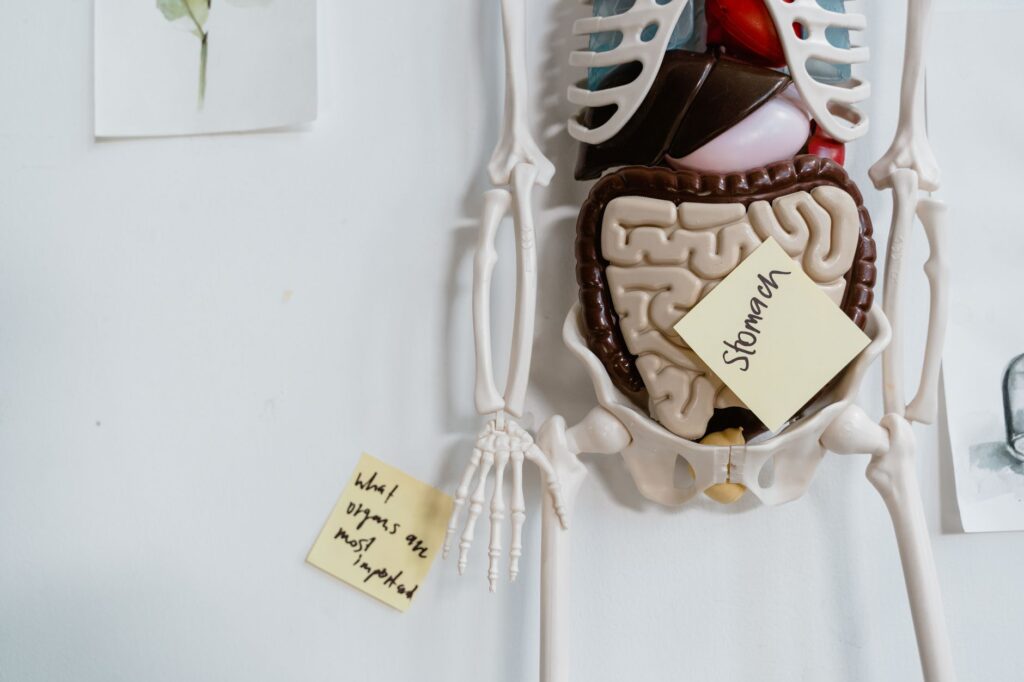
Digestive enzymes help turn the food on your plate into nutrients your body can actually use. In simple terms, they act like tiny tools that break large food molecules into smaller pieces, making it easier to improve digestion and absorb carbohydrates, proteins, and fats.
Your digestive process starts before food even reaches your stomach. The National Institute of Diabetes and Digestive and Kidney Diseases explains that saliva begins breaking down starches in the mouth, while the stomach, pancreas, and small intestine continue the job as food moves through the digestive tract. That means digestion is not handled by one organ alone. It is a coordinated system.
Think of your gut like a well-run kitchen. Food comes in as whole ingredients, but your body cannot use them until they are chopped, mixed, and prepared into smaller, usable parts. Digestive enzymes are part of that preparation process. Without enough enzyme activity, certain foods may be harder to tolerate, and that can leave you feeling uncomfortable after eating.
The body naturally produces digestive enzymes in several places. Salivary glands begin early starch digestion. The stomach contributes enzymes involved in protein digestion. The small intestine makes additional enzymes that help finish the process. The pancreas produces key enzymes that break down carbohydrates, fats, and proteins before they enter the small intestine for absorption.
Types of Digestive Enzymes
Different digestive enzymes handle different parts of your meal. That is why many enzyme supplements include a blend rather than a single ingredient. Each enzyme has a specific role, and understanding that role can help you decide whether a product makes sense for your needs.
Amylase
Amylase helps break down carbohydrates, especially starches, into simpler sugars. Some amylase activity starts in the mouth through saliva, and the pancreas also produces more. If carb-heavy meals tend to leave you feeling overly full, this is one of the enzymes often included in digestive enzyme supplements.
Protease
Protease breaks proteins down into smaller peptides and amino acids. Your stomach and pancreas are both involved in this process. Protein digestion matters because your body uses amino acids for muscle repair, immune function, hormone production, and many other daily needs.
Lipase
Lipase helps digest fats. Johns Hopkins notes that pancreatic lipase works alongside bile to break dietary fat into smaller components your body can absorb. When fat digestion is not working well, people may notice that rich meals are harder to tolerate.
Lactase
Lactase is the enzyme that breaks down lactose, the natural sugar in milk and dairy products. People with lactose intolerance do not make enough lactase, which is why dairy can trigger gas, bloating, or loose stools. In this case, targeted digestive support may be more useful than taking a broad enzyme blend.
Other Enzymes Often Found in Supplements
Some digestive enzyme supplements also include enzymes such as sucrase, maltase, cellulase, or alpha-galactosidase. These are often marketed for support with sugars, plant fibers, beans, or cruciferous vegetables. The goal is usually to help with food-specific discomfort rather than to replace the body’s entire digestive process.
Who May Benefit From Digestive Enzymes?
Digestive enzymes can be helpful for some people, especially when there is a clear reason they are needed. They are not a one-size-fits-all solution, but they may offer targeted support when symptoms are tied to specific enzyme deficiencies or trouble digesting certain foods.
One group that may benefit is people with diagnosed enzyme deficiencies. This can include conditions where the pancreas does not release enough digestive enzymes to properly process food. In these situations, enzyme replacement may be part of a treatment plan recommended by a healthcare professional.
People with lactose intolerance are another common example. Because the issue is tied to low lactase production, using lactase with dairy may help reduce symptoms for some individuals. That is much different from taking random enzyme supplements every day without knowing the cause of your symptoms.
There are also broader digestive conditions where enzymes may be discussed as part of care, but the details matter. Ongoing symptoms such as frequent bloating, diarrhea, greasy stools, or unexplained weight changes deserve proper evaluation rather than self-diagnosis. If you have been dealing with recurring discomfort, our team at Healthieme can help you explore practical strategies for digestive health and nutrition support.
Some people simply have difficulty digesting specific foods, such as beans, dairy, or high-fat meals. In those cases, a targeted enzyme product may be worth considering. It can also help to compare your food triggers with broader patterns in the common top 10 signs of poor gut health. Signs of poor gut health, because the issue may be bigger than one ingredient or meal.
Do Most Healthy People Need Digestive Enzyme Supplements?
Most healthy people do not need digestive enzyme supplements on a routine basis. The body is designed to make digestive enzymes on its own, and in the absence of a diagnosed deficiency or a clear food intolerance, supplements may offer little benefit.
This is where marketing can get ahead of science. Many over-the-counter enzyme supplements are sold as a shortcut for bloating, heaviness, or occasional indigestion. Sometimes they may help with a specific trigger food. But they do not replace core habits that support digestive health, and they are not a cure for ongoing gastrointestinal symptoms.
If your digestion is generally normal, enzyme supplements are probably not something you need to add just because they are popular. A body that is well nourished, hydrated, and eating at a manageable pace usually produces the digestive support it needs. In many cases, what feels like poor digestion is actually tied to eating too quickly, large portions, low fiber intake, high stress, or inconsistent meal patterns.
That is why food and lifestyle still come first. Supplements can support a plan, but they work best when they fit a real need. If you are curious about adding targeted support beyond food, you can explore the Healthieme gut health supplements page to learn what to look for in quality formulas and when they may be appropriate.
Natural Ways To Support Digestive Enzyme Production
You do not need to overhaul your life to support enzyme activity. Small daily habits can make digestion easier and more efficient. For most people, these basics do more for gut health than jumping straight to enzyme supplements.
Start with a balanced diet. Meals that include protein, healthy fats, and fiber-rich carbohydrates help your digestive system do its job steadily rather than swinging between extremes. Consistency matters more than perfection, and regular eating patterns often feel better on the gut than chaotic, oversized meals.
Chewing food thoroughly is another simple but underrated step. Digestion begins in the mouth, and better chewing gives enzymes more surface area to work with. If you often rush meals, this one change alone can improve digestion without adding anything to your supplement routine.
Hydration also matters. Fluids help move food through the digestive tract and support the overall environment where digestion happens. You do not need a complicated hydration protocol. Steady water intake across the day is usually enough for most healthy adults.
Finally, support overall gut health. A diverse diet, regular movement, stress management, and sleep all influence how comfortably your digestive system works. Your body’s unique signals matter here. If one habit consistently helps you feel lighter, calmer, and less bloated after meals, that feedback is worth paying attention to.
Foods That Naturally Support Digestion
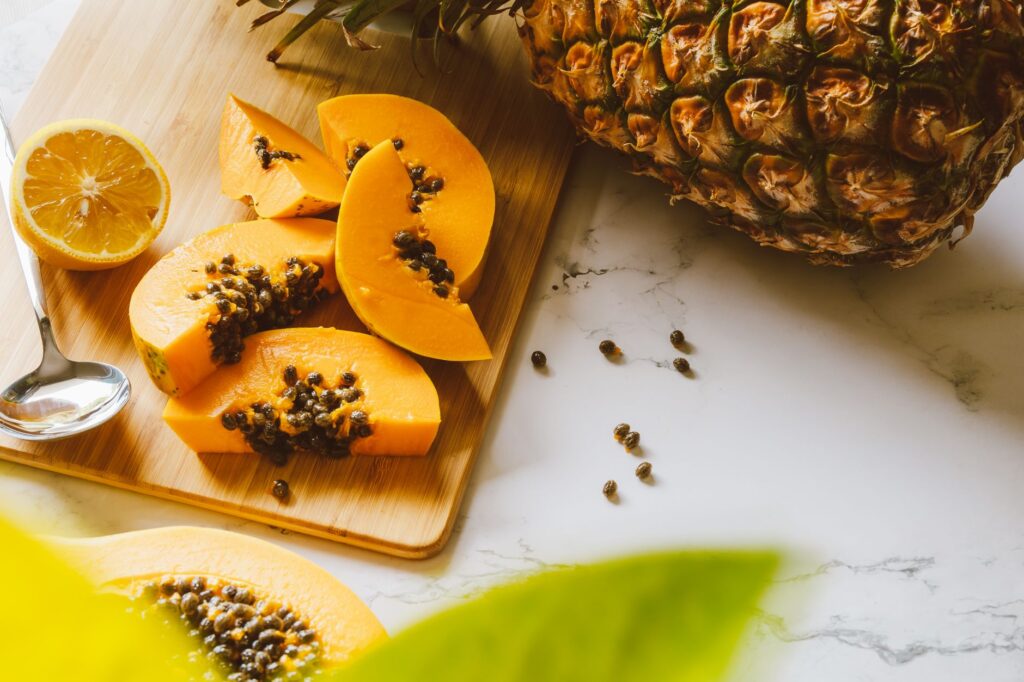
Some foods may naturally support digestion, either because they contain enzymes of their own or because they help create a healthier digestive environment. They are not magic foods, but they can fit into a practical digestive support routine.
Pineapple is often mentioned because it contains bromelain, while papaya contains papain. These compounds are commonly associated with protein breakdown. Fermented foods such as yogurt, kefir, sauerkraut, and kimchi may also support gut health by contributing beneficial microbes, though not every fermented food works well for every person.
Fiber-rich fruits and vegetables help keep digestion moving and support the gut environment. Whole grains can do the same for many people by adding both fiber and structure to meals. Think of these foods as fertilizer for your internal garden. They help create the conditions where your digestive system can function more smoothly over time.
If you are increasing fiber, do it gradually. Going from very low fiber to a high-fiber diet overnight can backfire and create more gas or bloating. Start with one meal, one habit, one change, and let your body show you what feels sustainable.
Choosing A Digestive Enzyme Supplement
 Related Articles
How to Improve Gut Health Naturally
Prebiotics vs. Fiber Supplements: Understanding the Difference for Optimal Gut Health
What Is Gut Health and Why It Matters