
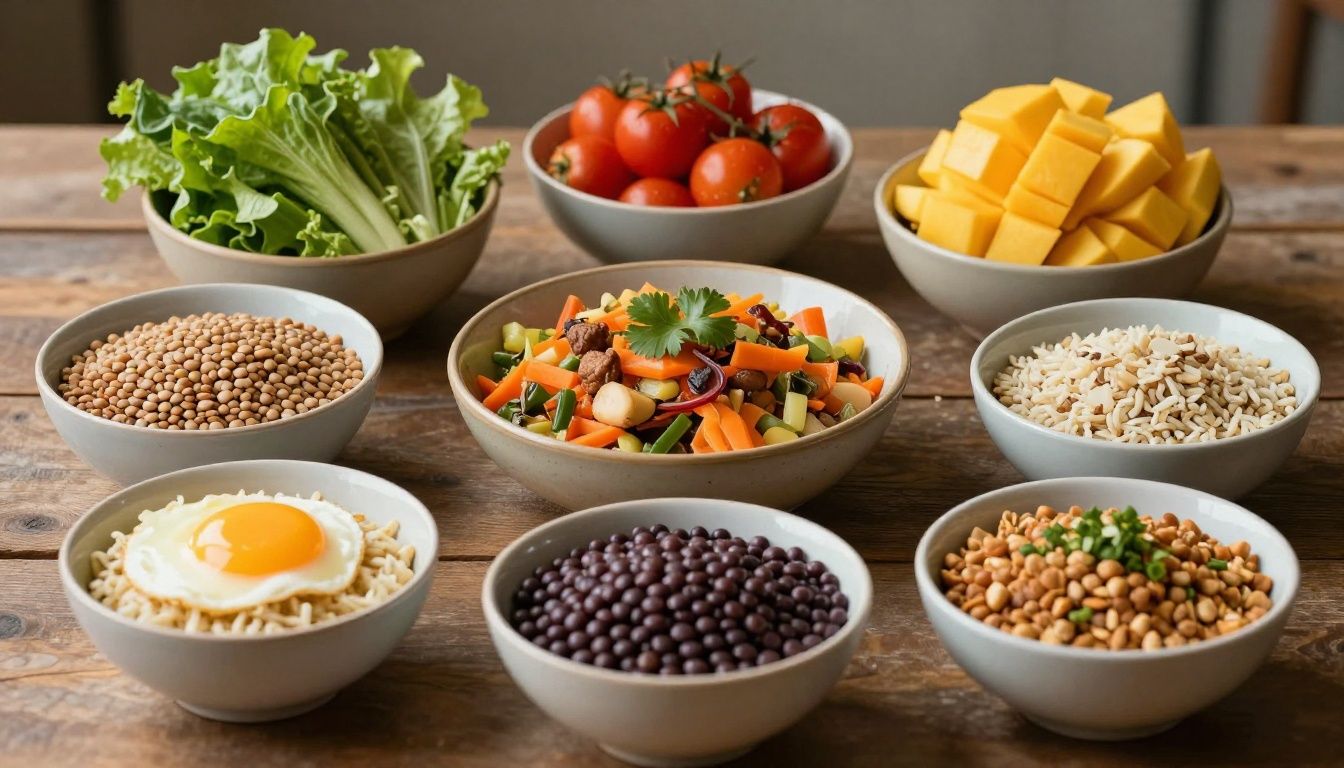
Whether you are looking to improve your digestion or simply boost your overall wellness, understanding the benefits of eating more fiber is a great place to start. Dietary fiber is a unique type of carbohydrate that your body cannot fully digest or absorb. Instead of being broken down into sugar like other carbs, fiber passes through your system, playing a critical role in how your body functions. By incorporating fiber-rich foods into your daily meals, you can support a healthy gut, maintain steady energy, and promote long-term heart health. In this guide, we will explore the different types of fiber, why they matter for your body, and how to safely and effectively add more of them to your routine without complicating your diet. From understanding the basics to finding simple, actionable tips, you will learn how to make consistent changes that feel good and support your health over time.
Key Takeaways
- Dietary fiber is a non-digestible carbohydrate that provides essential support for digestive function and overall internal harmony.
- Different types of fiber—such as soluble and insoluble—work together to soften stool, promote gut health, and manage blood sugar levels.
- Eating a variety of whole-food sources like fruits, vegetables, grains, and legumes is the most effective way to reach your daily fiber goals.
- It is crucial to increase your fiber intake gradually and drink plenty of water to avoid discomfort like gas or bloating.
- Fiber acts as a prebiotic, fueling beneficial gut bacteria and supporting the delicate ecosystem within your digestive tract.
Understanding the Benefits of Eating More Fiber
To understand fiber, it helps to see it as a structural component of plants. While your body has enzymes to break down proteins, fats, and simple sugars, it lacks the tools needed to process fiber. This means fiber moves mostly intact through your stomach, small intestine, and colon. Because it doesn’t leave the body as just another source of glucose, it acts like a broom for your digestive tract.
There are two main categories of fiber you will encounter: soluble and insoluble. Soluble fiber dissolves in water to form a gel-like substance. You can find this in foods like oats, beans, and certain fruits. It is particularly helpful for slowing down digestion and softening stool. Insoluble fiber, on the other hand, does not dissolve in water. It adds bulk to your stool, which helps materials pass through your digestive system more quickly. Common sources include whole grains, wheat bran, and vegetables like cauliflower or green beans. Many whole foods contain a healthy mixture of both types, which is why eating a diverse, plant-forward diet is generally superior to relying on specific supplements.
Why the Benefits of Eating More Fiber Matters
For many people, the focus on nutrition often centers on macros like protein or fat. However, fiber is an unsung hero for daily health. By helping to build a healthy plate at every meal, you ensure that your body has the structural support required for regular bowel movements and optimal digestion. When your digestion moves smoothly, you are less likely to experience the sluggishness often associated with less balanced eating patterns.
Beyond just regular digestion, fiber contributes to heart health and sustained satiety. When you consume enough fiber, it can influence how your body absorbs cholesterol, potentially supporting healthy levels already within a normal range. It also helps moderate the speed at which blood sugar rises after a meal, preventing the sharp peaks and dips that can lead to energy crashes. This benefit makes fiber an essential component of a balanced, sustainable lifestyle. Rather than focusing on restrictive diets, think of fiber as the foundational element that keeps your internal systems running efficiently, which is a key goal when pursuing long-term vitality.
Key Factors to Consider
The Importance of Fermentable Fiber and Resistant Starch
Beyond basic soluble and insoluble fiber, it is helpful to understand fermentable fiber and resistant starch. These fibers reach your colon and are fermented by your gut bacteria. Many of these function as prebiotics, meaning they act as fuel for the beneficial microbes residing in your gut. They play a significant role in creating a balanced microbiome, which is essential for immune function and digestive comfort.
Identifying High-Fiber Foods
To meet your fiber requirements, aim for a consistent intake of whole foods. Beans, lentils, and chickpeas are powerhouse sources, often providing high levels of fiber per serving. Whole grains like barley and oats, as well as seeds such as chia and flax, are also excellent additions. Fruits like raspberries and pears, along with vegetables such as broccoli and carrots, provide significant fiber along with essential vitamins. Since fiber content varies, checking the nutrition label on packaged whole-grain items can help you compare products and find the best options for your needs.
Evidence-Based Strategies and Practical Steps
Making the shift to a higher-fiber lifestyle does not require a complete overhaul of your kitchen overnight. Start by making small, intentional swaps. Instead of white bread, choose a dense, whole-grain option. When having lunch, toss a handful of lentils into your soup or add a side salad to your main dish. According to the MedlinePlus Medical Encyclopedia. increasing your plant intake gradually allows your digestive system to adapt to the added bulk without causing undue stress.
As you begin to incorporate more healthy snacks that keep you full, reach for items like nuts, seeds, or fresh fruit. Pair these with water to help the fiber do its job. Fluid intake is a non-negotiable partner to fiber, as it helps soften the stool and aids in transit through the intestines. If you find your current routine lacking, try these simple tactics:
- Add a cup of sliced strawberries or blueberries to your morning breakfast.
- Keep a bag of frozen vegetables in the freezer for quick stir-fry additions.
- Swap out refined grains for brown rice or quinoa in your evening meals.
- Incorporate a serving of beans into your midday salad or grain bowl.
Remember that consistency matters more than perfection. Small, daily increases in fiber are much easier on your system than sudden, massive changes.
Practical Examples for Beginners
If you are wondering what a high-fiber day looks like, consider this template. Start your morning with a bowl of oatmeal topped with berries and ground flaxseeds. For lunch, a lentil soup or a chickpea grain bowl can provide a solid foundation of fiber and protein. For a snack, a medium apple with a tablespoon of peanut butter is both satisfying and fiber-rich. Your dinner could feature brown rice with a generous helping of roasted broccoli and carrots. These best foods for gut health are easy to find and prepare, making it simple to hit your goals without feeling pressured.
Common Mistakes and Long-Term Tips
One of the most common mistakes beginners make is increasing fiber too quickly. When you introduce large amounts of beans, whole grains, or cruciferous vegetables suddenly, your gut bacteria may produce excess gas as they adjust, leading to bloating or cramping. It is much better to increase your fiber intake over several weeks. Start with one additional high-fiber food per day and monitor how your body responds.
Another mistake is neglecting hydration. Fiber acts like a sponge, drawing water into the digestive tract. Without adequate liquid, it can actually make constipation worse rather than better. View your hydration as a support system for your dietary fiber. Finally, avoid relying solely on supplements when whole foods are an option. Supplements lack the variety of phytonutrients and minerals found in beans, grains, and produce. Focus on food-first, and save supplements for instances where a healthcare provider deems them necessary.
When to Speak With a Healthcare Professional
While fiber is a beneficial component of almost any diet, more is not always better for everyone. If you have conditions such as inflammatory bowel disease, frequent obstruction, or recent surgery, you should consult your doctor before significantly increasing your fiber intake. Some digestive disorders require a tailored approach that may involve lower fiber intake during flare-ups. Always discuss any persistent changes in your bowel habits or abdominal discomfort with a professional. They can help you determine the right balance for your unique situation so you can meet your nutritional requirements safely and effectively.
Frequently Asked Questions
How much fiber should I aim for daily?
Most health organizations recommend that adults aim for approximately 25 to 30 grams of fiber per day. However, individual needs may vary based on age, weight, and general health. It is best to reach this goal through a variety of whole-food sources rather than focusing on a specific number.
Will eating more fiber lead to weight loss?
Fiber can contribute to weight management because it helps you feel full for longer periods after eating. By promoting satiety, it may naturally lead to smaller portion sizes or fewer snacks. However, fiber is not a weight-loss miracle and should be viewed as part of an overall balanced approach.
Can I eat too much fiber?
Yes, consuming excessive amounts of fiber too quickly can lead to digestive discomfort such as bloating, gas, and cramps. In extreme cases, high intake without adequate hydration can cause constipation or blockages. It is always best to increase your fiber intake gradually to allow your digestive tract time to adjust.
Is it better to get fiber from food or supplements?
For most people, high-fiber foods are the gold standard. They provide essential vitamins, minerals, and antioxidants that fiber supplements lack. Supplements can be useful for those who cannot reach their goals through food, but they should generally be used as a support tool rather than a primary source of nutrition.
Can fiber help with cholesterol levels?
Yes, soluble fiber can help support healthy cholesterol levels. It binds to certain cholesterol-containing particles in the digestive system and helps move them out of the body before they are fully absorbed. This process is one of the many reasons experts often encourage high-fiber intake for long-term health.
Final Thoughts
proving your health does not have to be complicated. By focusing on the benefits of eating more fiber, you take a significant step toward supporting your digestive system, heart health, and daily energy. Remember, the best approach is a slow and steady one. Integrate fiber-rich whole foods into your meals, ensure you are drinking enough water throughout the day, and listen to what your body tells you. These small, consistent changes build the foundation for a sustainable lifestyle. You do not need to follow a perfect diet; you simply need a plan that you can manage and enjoy for the long haul.
Related Articles
- Protein: Why Your Body Needs It
- Prebiotics vs. Fiber Supplements: Which Is Better for Gut Health?
- The Fundamentals of Balanced Nutrition
- Healthy Eating on a Busy Schedule: Simple Nutrition Strategies That Work
- Understanding Food Labels: What to Look For
Lorem ipsum dolor sit amet, consectetur adipiscing elit. Ut elit tellus, luctus nec ullamcorper mattis, pulvinar dapibus leo.