
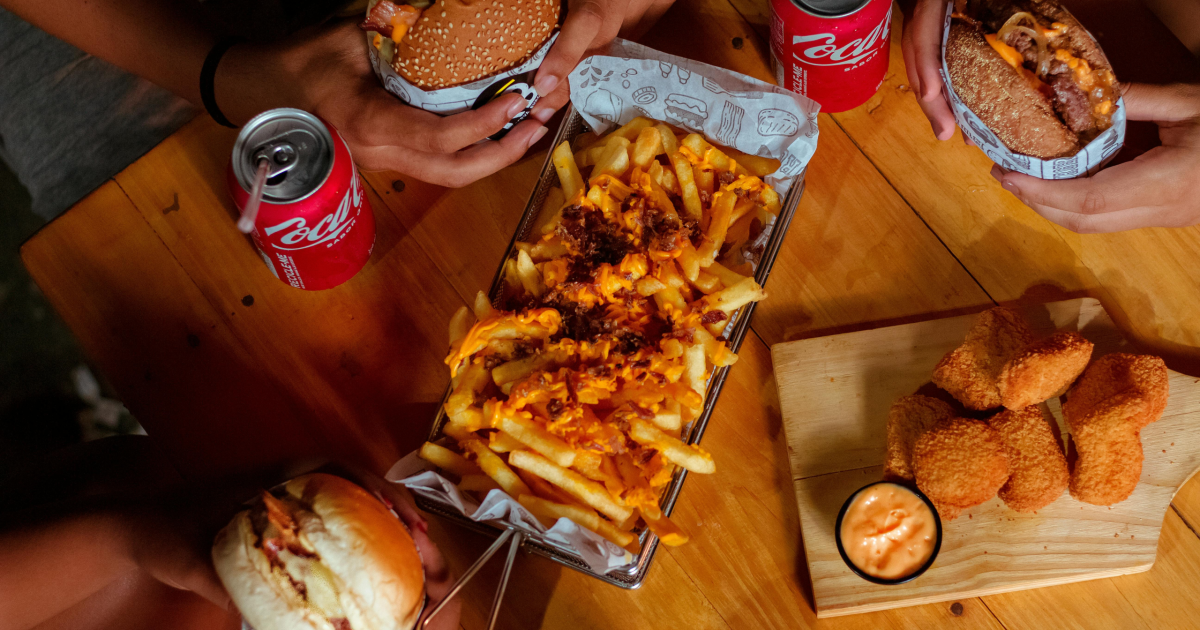
Worst Foods for Gut Health You Should Avoid
Your gut health plays a major role in digestion, energy, immunity, and even mental well-being. While eating healthy foods helps support your gut microbiome, certain foods can damage the balance of good bacteria and contribute to bloating, inflammation, stomach discomfort, and digestive problems.
If you constantly feel bloated, sluggish, or uncomfortable after eating, your diet may be part of the problem.
Here are some of the worst foods for gut health — and healthier alternatives you can choose instead.
Why Gut Health Matters
Your digestive system contains trillions of bacteria that help:
- Digest food
- Absorb nutrients
- Support immunity
- Reduce inflammation
- Maintain overall health
When harmful bacteria begin to outnumber beneficial bacteria, it can lead to:
- Gas and bloating
- Constipation or diarrhea
- Low energy
- Food sensitivities
- Skin issues
- Poor digestion
Diet is one of the biggest factors affecting your gut microbiome.
1. Processed Foods
Highly processed foods are often low in fiber and loaded with additives, preservatives, and unhealthy fats that may harm gut bacteria.
Examples include:
- Chips
- Fast food
- Frozen dinners
- Packaged snacks
Why They’re Bad
Processed foods may:
- Feed harmful gut bacteria
- Increase inflammation
- Slow digestion
- Reduce microbiome diversity
Better Choice
Choose whole foods like:
- Fruits
- Vegetables
- Lean proteins
- Whole grains
2. Excess Sugar
Too much sugar can negatively affect the balance of bacteria in your gut.
Common high-sugar foods:
- Soda
- Candy
- Pastries
- Sugary cereals
- Sweetened coffee drinks
Why It’s Bad
Excess sugar may:
- Increase harmful bacteria growth
- Trigger inflammation
- Contribute to bloating
- Lead to digestive discomfort
Better Choice
Try:
- Fresh fruit
- Dark chocolate in moderation
- Naturally sweet foods
3. Artificial Sweeteners
Many “diet” foods and drinks contain artificial sweeteners like:
- Aspartame
- Sucralose
- Saccharin
Why They’re Bad
Research suggests some artificial sweeteners may negatively impact gut bacteria and digestion.
Some people experience:
- Gas
- Bloating
- Stomach discomfort
Better Choice
Use natural sweeteners in moderation such as:
- Honey
- Maple syrup
- Stevia
4. Fried Foods
Fried foods are difficult for many people to digest and may contribute to inflammation.
Examples:
- French fries
- Fried chicken
- Onion rings
- Deep-fried snacks
Why They’re Bad
Fried foods are often:
- High in unhealthy fats
- Hard on digestion
- Linked to bloating and stomach discomfort
Better Choice
Choose:
- Baked foods
- Air-fried options
- Grilled meals
5. Excess Alcohol
Drinking too much alcohol can damage the gut lining and disrupt healthy bacteria.
Why It’s Bad
Alcohol may:
- Irritate the digestive system
- Increase inflammation
- Affect nutrient absorption
- Disrupt microbiome balance
Better Choice
Drink in moderation and increase water intake.
o.
6. Processed Meats
Processed meats include:
- Bacon
- Sausage
- Hot dogs
- Deli meats
Why They’re Bad
These foods often contain:
- Preservatives
- Excess sodium
- Additives linked to inflammation
Better Choice
Choose:
- Fresh chicken
- Turkey
- Fish
- Lean beef in moderation
7. Refined Carbohydrates
Refined carbs are stripped of fiber and nutrients.
Examples:
- White bread
- White pasta
- White rice
- Pastries
Why They’re Bad
Low-fiber diets may reduce healthy gut bacteria and contribute to poor digestion.
Better Choice
Switch to:
- Whole grains
- Brown rice
- Oats
- Whole wheat bread
8. Too Much Dairy
Some people have difficulty digesting dairy products, especially if they are lactose intolerant.
Symptoms May Include
- Gas
- Bloating
- Diarrhea
- Stomach cramps
Better Choice
Try:
- Lactose-free dairy
- Kefir
- Greek yogurt
- Plant-based alternatives
9. Highly Processed Vegetable Oils
Some oils used in processed foods may contribute to inflammation when consumed excessively.
Examples:
- Soybean oil
- Corn oil
- Canola oil in heavily processed foods
Better Choice
Use healthier fats like:
- Olive oil
- Avocado oil
10. Energy Drinks and Excess Caffeine
Too much caffeine and energy drinks may irritate the digestive system.
Possible Effects
- Acid reflux
- Stomach irritation
- Digestive discomfort
Better Choice
Drink:
- Water
- Herbal tea
- Green tea in moderation
Signs Your Diet May Be Hurting Your Gut
You may have poor gut health if you regularly experience:
- Bloating
- Gas
- Constipation
- Diarrhea
- Fatigue
- Brain fog
- Food sensitivities
Improving your diet can often help reduce these symptoms over time.
Simple Gut-Friendly Eating Tips
To support better gut health:
- Eat more fiber-rich foods
- Include probiotic foods regularly
- Stay hydrated
- Reduce processed foods
- Limit excess sugar
- Eat slowly and mindfully
Small daily changes can make a major difference.
Final Thoughts
Gut health starts with what you eat every day. While occasional treats are completely fine, regularly eating highly processed foods, excess sugar, fried foods, and artificial ingredients may negatively affect digestion and overall wellness.
The good news is that your gut microbiome can improve with healthier habits and better food choices over time.
Focus on consistency — not perfection — and your digestive system will thank you.
Related Articles
- Best Foods for Gut Health (Eat This Daily)
- Does Sugar Destroy Gut Health?
- Is Coffee Good or Bad for Your Gut?
- How to Improve Gut Health Naturally (Step-by-Step)
- Top 10 Signs of Poor Gut Health (Don’t Ignore These)
- 7-Day Gut Health Diet Plan for Beginners
- What Is Gut Health and Why It Matters More Than You Think
Affiliate Disclaimer
This post may contain affiliate links. If you purchase through these links, Healthieme may earn a commission at no extra cost to you.