
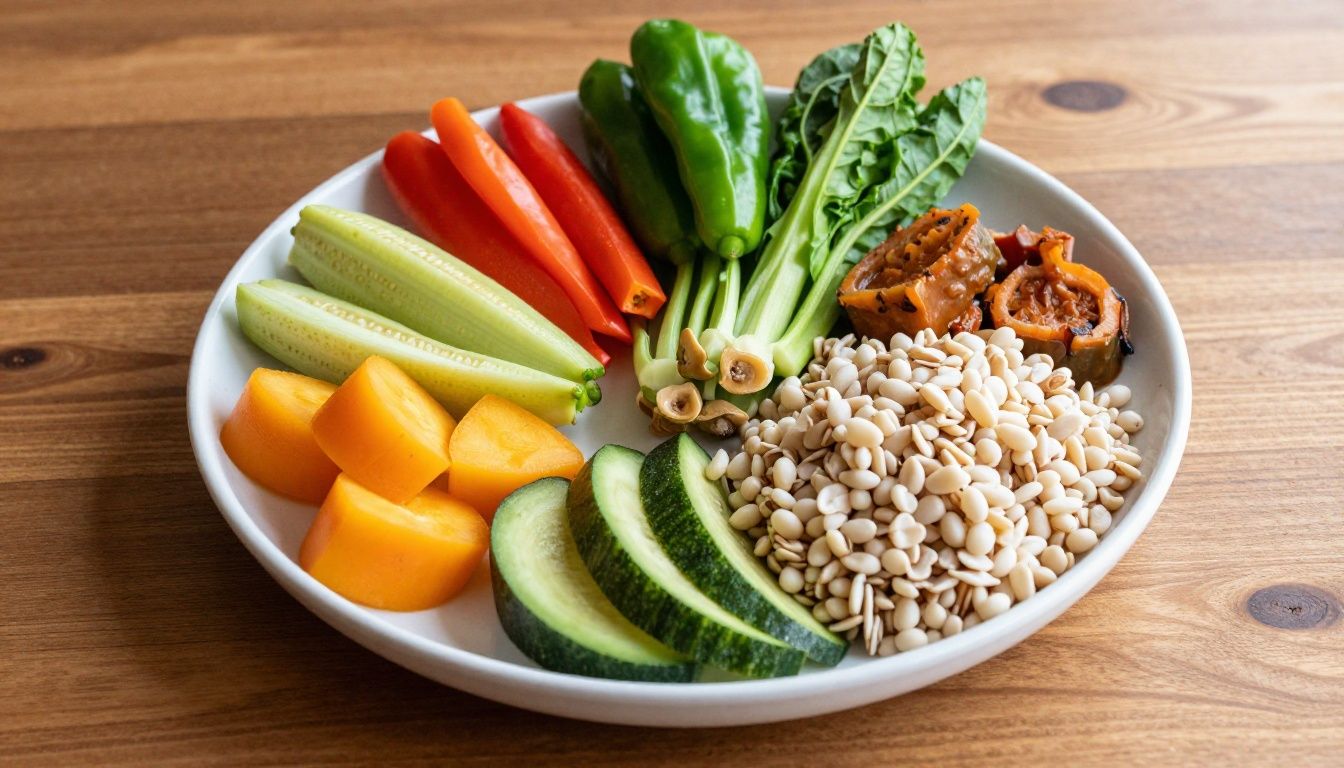
Many people ask, “What is gut health?” when they start noticing changes in their digestion or energy levels. At its core, gut health refers to the balance of microorganisms living in your digestive tract and how well your body functions to digest food, absorb nutrients, and support your immune system. It is not just about avoiding stomach aches; it is about creating an internal environment where your gut microbiome can thrive. In this guide, you will learn the basics of how your digestive system works, the factors that influence your well-being, and practical, evidence-based steps you can take to support your gut on a daily basis. We will clear up common myths and provide actionable advice to help you build healthier habits for the long term.
Key Takeaways
- Gut health centers on the balance of the gut microbiome, which consists of trillions of bacteria and microorganisms in your digestive tract.
- Key markers of a healthy gut include efficient digestion, regular bowel movements, and effective nutrient absorption for overall vitality.
- Your lifestyle, including diet, hydration, sleep, and stress management, plays a massive role in maintaining your digestive balance.
- Common signs of imbalance like bloating or irregular bowel movements are signals, not diagnoses, but should not be ignored.
- Consistency with fiber, diverse plant foods, and physical activity is far more effective than trying quick-fix supplements or restrictive diets.
Understanding what is gut health
When we discuss “what is gut health,” we are primarily talking about the health of the gastrointestinal tract and its complex ecosystem, known as the gut microbiome. This internal world contains a vast community of bacteria, fungi, and other microbes. These organisms play a vital role in processes ranging from breaking down food to training your immune system.
The Role of the Microbiome
Your gut is not a silent tube; it is an active, living ecosystem. It works to ferment fibers that your body cannot digest on its own, producing compounds that nourish the cells of your colon. It also serves as a barrier against potential pathogens. You can learn more about how this system works in this comprehensive overview: The Gut Microbiome Explained: Your Body’s Hidden Ecosystem. Think of your gut as a garden; when you tend to it with diverse “nutrients” like fiber and regular activity, it tends to flourish, supporting your overall health.
Why gut health matters
Maintaining a balanced digestive system allows your body to function clearly and efficiently. When your gut is working well, you are better at absorbing the nutrients that power your daily activities. Conversely, when things feel “off,” the discomfort can ripple into other areas of your life, impacting your energy, focus, and general mood.
Supportive lifestyle habits, such as eating plenty of vegetables and staying hydrated, help keep this system running smoothly. Consistent care, rather than sporadic attention, is the hallmark of a healthy approach. For those looking to get started with foundational habits, How Long Does It Take to Fix Your Gut Health? provides a roadmap for building these practices into your daily life. It is important to emphasize that taking care of your digestive health is not about perfection or avoiding every “trigger” food. Instead, it is about creating a flexible, resilient system that can handle the ups and downs of daily life. By focusing on whole, unprocessed foods and manageable lifestyle changes, you can help your body function at its best, creating a stable foundation for years to come.
Key Factors to Consider
Several factors directly influence the state of your digestive health. It is helpful to view these as levers you can adjust rather than rigid rules to follow.
Dietary Diversity and Fiber
The bacteria in your gut thrive on variety. Consuming a wide range of colorful plants provides the prebiotic fibers necessary for a diverse microbiome. Fiber acts as the primary fuel source for many beneficial gut microbes.
The Impact of Lifestyle Habits
Beyond what is on your plate, your lifestyle habits have a profound impact. Chronic stress, irregular sleep patterns, and lack of exercise can alter how your digestive system functions. Alcohol consumption and smoking can also stress the delicate lining of your gut, potentially creating inflammation or irritation.
The Role of Medication
It is also worth noting that factors outside of your direct control, such as necessary medications like antibiotics, can shift your microbiome. While these are often essential for treating illness, they emphasize the importance of following up with fiber-rich foods and balanced habits afterward to help your system recover its natural rhythm.
Evidence-Based Strategies and Practical Steps
Supporting your digestive health requires a consistent, sustainable approach. Rather than looking for a “cure,” focus on these evidence-based habits:
- Increase fiber intake gradually: If your intake is low, add fiber slowly over several weeks to avoid gas and bloating.
- Prioritize hydration: Water is essential for moving fiber through your system.
- Include fermented foods: Yogurt, kefir, sauerkraut, and kimchi provide various beneficial bacteria.
- Manage daily stress: Stress reduction through movement or deep breathing can directly impact gut motility.
- Move your body: Regular, moderate physical activity promotes healthy digestion.
For a deeper look into the science behind your system, the Cleveland Clinic — What Is Your Gut Microbiome? provides excellent context on how these microorganisms interact with your overall health. Remember that progress is gradual. As you make these changes, be aware that symptoms like bloating or changes in bowel habits may indicate a need to adjust your approach or consult a professional. Always refer to Top 10 Signs of Poor Gut Health (Don’t Ignore These) to understand when your body might be signaling a deeper issue that requires more than just dietary shifts.
Practical Examples for Beginners
Building a gut-friendly schedule doesn’t have to be complicated. Consider this sample day designed to nurture your microbiome:
- Breakfast: Oatmeal topped with ground flaxseeds and a handful of berries. This provides both soluble and insoluble fiber.
- Lunch: A large mixed salad with lentils, chickpeas, pumpkin seeds, and a fermented vegetable side like raw sauerkraut.
- Afternoon Snack: A cup of kefir or a green apple with a small serving of almond butter.
- Dinner: A stir-fry featuring cruciferous vegetables like broccoli and bok choy, served with a small portion of quinoa.
Keep a simple journal to track how your body responds to these changes. Note energy levels, digestion, and frequency of bathroom visits. Focus on how you feel rather than just tracking food items. This “what, when, and how” approach allows you to identify patterns that are unique to you, helping you tailor your habits to what makes your digestion feel most supported.
Common Mistakes and Long-Term Tips
A major mistake beginners often make is the “all-or-nothing” mentality. They may drastically change their diet overnight, leading to discomfort and discouragement. Your microbiome needs time to adjust to new inputs, so keep changes small and consistent. Another common error is assuming that a single supplement or “detox” will fix years of dietary habits. There is no instant “reset” button for your gut health. Instead, focus on building a rhythm that is enjoyable and sustainable.
Don’t let the fear of “bad” foods prevent you from enjoying your meals. Hyper-vigilance can increase your internal stress, which may negate the benefits of a healthy diet. Instead, aim for a balanced plate most of the time. If you experience a week of less-than-ideal eating, do not worry. Simply return to your regular, fiber-rich routines during your next meal. Long-term success is about the overall pattern, not the occasional indulgence, and consistency is far more powerful than perfection.
When to Speak With a Healthcare Professional
While lifestyle changes can do wonders, they are not a replacement for medical care. You should consult a healthcare professional if you experience persistent symptoms, such as unintended weight loss, blood in your stool, severe or recurring abdominal pain, or changes in bowel movements that do not improve with dietary adjustments. These symptoms need a clinical evaluation to rule out underlying conditions. Never try to “manage” significant digestive trouble on your own if it interferes with your quality of life. An expert can provide the diagnostic support necessary to identify the root cause of your concerns.
Frequently Asked Questions
Do probiotics fix gut health instantly?
No. Probiotics are beneficial bacteria, but they do not “fix” your gut instantly. They can help support your existing microbiome, but results depend on the type of bacteria, your individual gut environment, and consistent use. They are best used as part of a balanced, fiber-rich diet.
Is bloating always a sign of a bad gut?
Not necessarily. Occasional bloating is a normal part of digestion, especially after eating high-fiber foods or large meals. However, chronic or painful bloating that impacts your daily life is a signal that you should monitor and potentially discuss with a healthcare professional to identify the cause.
Can I repair my gut with a detox?
There is no evidence that cleanses or detoxes “repair” the gut. Your digestive system is designed to cleanse itself naturally. Restrictive detox diets can often deprive your microbiome of the diverse nutrients it needs, leading to more harm than good in the long run.
Why does fiber cause me gas?
If you increase your fiber intake too rapidly, the bacteria in your gut may ferment it more quickly than your system is used to, resulting in gas. This is why it is essential to increase fiber intake slowly, giving your body time to adapt effectively.
Is there an ideal diet for everyone?
No. Nutrition is highly individual. While most people benefit from a diet high in fiber and diverse plant foods, the “ideal” approach depends on your specific health status, tolerance to certain foods, and lifestyle requirements. It is best to experiment safely to see what works for you.
Final Thoughts
Understanding what gut health is allows you to take control of your well-being with confidence and clarity. By focusing on simple, sustainable habits like increasing fiber slowly, eating a diverse range of plant foods, and managing stress, you are creating the best possible environment for your microbiome. Remember that your health journey is a marathon, not a sprint. Small, consistent improvements are the building blocks of lasting success. Stay curious, listen to your body’s signals, and don’t hesitate to reach out to a professional if you need additional guidance. You have the power to nurture your health one meal at a time.
Related Articles
- How to Improve Gut Health Naturally (Step-by-Step)
- Best Foods for Gut Health (Eat This Daily)
- Worst Foods for Gut Health You Should Avoid
- 7-Day Gut Health Diet Plan for Beginners
- Prebiotics vs. Probiotics: What’s the Difference?
Lorem ipsum dolor sit amet, consectetur adipiscing elit. Ut elit tellus, luctus nec ullamcorper mattis, pulvinar dapibus leo.