Maintaining a balanced diet often feels like an impossible task when you are juggling a demanding career, hectic family life, or unexpected daily obligations. Many people believe that healthy eating on a busy schedule requires hours of elaborate meal prep or expensive, specialty ingredients, but the reality is much more approachable. By focusing on simple, consistent habits and prioritizing nutrient-dense whole foods, you can fuel your body effectively without adding stress to your day. This guide explores practical nutrition strategies designed to help you make better choices, even when time is tight. You will learn how to streamline your kitchen routine, identify convenient staple ingredients, and master the art of quick, satisfying meals that support your long-term health and well-being. With a bit of planning and the right mindset, nourishing yourself becomes a seamless part of your daily rhythm rather than another chore on your to-do list.
Key Takeaways
- Consistency over perfection is the secret to maintaining a healthy lifestyle, even when your calendar is completely full.
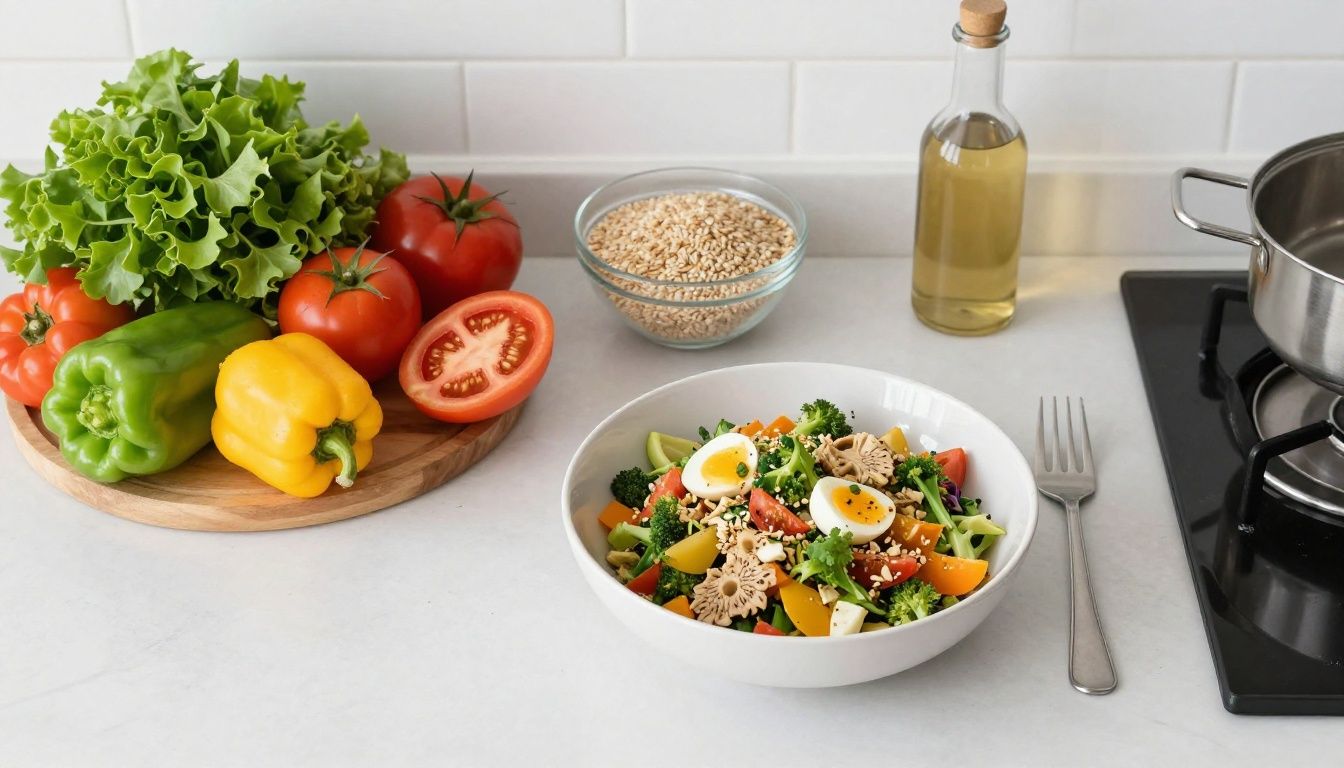
- Utilizing a visual framework, such as filling half your plate with vegetables, eliminates the need for complex calorie tracking.
- Keeping your pantry stocked with long-lasting, nutrient-dense staples allows you to assemble quick meals without resorting to processed convenience foods.
- Understanding how to read nutritional labels helps you choose healthier pre-packaged options when time-saving products are absolutely necessary.
- Sustainable health is built through manageable habit stacking rather than drastic, short-term dietary overhauls that are difficult to maintain long-term.
Understanding Healthy Eating on a Busy Schedule
Healthy eating on a busy schedule is not about achieving perfection every single day; it is about creating a flexible system that works with your life. For many, the hurdle is the assumption that healthy food must be time-intensive. However, nutrition is fundamentally about providing your body with the fuel it needs to function—fiber, lean proteins, healthy fats, and vitamins—which can be achieved efficiently through simple assembly.
At its core, this approach emphasizes minimizing decision fatigue. By having a few “go-to” meals or pre-determined shopping lists, you reduce the amount of energy you spend thinking about food throughout the day. It also involves shifting your perspective on what constitutes a meal. A bowl of Greek yogurt with berries and nuts, a quick stir-fry using frozen vegetables, or a pre-washed salad with canned beans are all perfectly valid, nutrient-dense options. By letting go of the pressure to cook gourmet meals from scratch, you open the door to sustainable habits that fit your actual lifestyle. The goal is to make healthy eating the path of least resistance, ensuring that your body receives consistent energy throughout the day regardless of your professional or personal responsibilities.
Why Healthy Eating on a Busy Schedule Matters
When we are under constant pressure, it is easy to view food as just another task to complete, often leading to reliance on fast food or erratic eating patterns. This neglect can significantly impact your mood, focus, and long-term vitality. Prioritizing consistent nutrition helps stabilize your blood sugar levels, preventing the dreaded afternoon “slump” that often follows high-sugar or overly processed meals. Maintaining this balance is essential for gut health and immune function, which are easily disrupted by stress compounded by poor diet.
Building a reliable nutritional framework acts as a buffer against the stressors of a busy life. When your body is properly fueled, you are better equipped to handle challenges, manage your emotions, and maintain cognitive clarity. If you are struggling to visualize how to balance these components without over-planning, learning about the fundamentals of balanced nutrition can provide you with an easy-to-follow visual template. By focusing on whole foods that promote stable energy and optimal digestion, you are investing in your future self. You will find that when your internal health foundation is strong, you feel more resilient and capable of managing the various demands of your daily schedule with greater ease and focus.
Key Factors to Consider
The Role of Convenience vs. Quality
Many people view convenience as the enemy of healthy eating, but it can actually be a tool for success. The challenge lies in selecting high-quality, convenient options. For instance, frozen vegetables are often just as nutritious—if not more so—than their fresh counterparts because they are picked and flash-frozen at peak ripeness.
Pantry Staples and Efficiency
Having a well-stocked pantry is one of the most effective strategies for busy lives. By keeping items such as canned beans, lentils, whole-grain pasta, quinoa, nuts, and seeds on hand, you can whip together a meal in minutes. These items have a long shelf life, meaning they are ready whenever you are, removing the fear of discovering empty shelves when you are low on energy.
Time-Block Planning
Efficiency is the hallmark of modern healthy eating. Rather than spending entire Sunday afternoons in the kitchen, consider “mini-prep” sessions. This might involve washing fruit as soon as you get home or portioning snacks into containers. Small, intentional actions performed during the week reduce the resistance to preparing a meal when you are tired, making it much easier to stick to your healthy eating goals.
Evidence-Based Strategies and Practical Steps
When navigating the grocery store in a hurry, it is vital to know what you are choosing. Learning the skill of understanding food labels: what to look for is a game-changer, as it allows you to quickly spot added sugars, sodium, or unhealthy additives that might sabotage your goals. For those looking to optimize their time, the Harvard T.H. Chan School of Public Health — Meal Prep Guide offers excellent, evidence-based frameworks to help you organize your week effectively.
Consider these practical steps to simplify your nutrition:
- Batch cook one complex item, like rice or protein, to act as a base for multiple meals throughout the week.
- Utilize “assemble-only” meals like wraps, salads, or bowls that require no actual cooking, only combining pre-prepared ingredients.
- Set up an automated grocery delivery or pickup service to save precious time and prevent impulse buying of less-healthy items due to fatigue.
- Focus on hydration as a primary habit; sometimes what we perceive as hunger is actually mild dehydration.
By layering these small, data-backed strategies into your routine, you move away from the pressure of perfectionism. Instead, you build a sustainable system where healthy eating feels nourishing and supportive rather than restrictive or overwhelming. The habit of checking labels or relying on pre-washed greens becomes second nature, freeing up your cognitive bandwidth for the other areas of your life that demand your attention.
Practical Examples for Beginners
If you prefer a concrete plan, start by simplifying your view of meal assembly. Instead of recipes, think of combinations: a protein, a healthy fat, and a source of fiber. Breakfast might be overnight oats topped with chia seeds, which can be made in three minutes the night before. For lunch, keep it simple with a pre-made salad kit enriched with a can of chickpeas and some pre-cooked chicken breast.
For dinner, keep a bag of frozen cauliflower rice or mixed vegetables in the freezer for a five-minute stir-fry with tofu or ground turkey. When you find yourself hitting that mid-afternoon wall, incorporate Snacking Smarter: The Science of Staying Full and Energized Between Meals to avoid mindless vending machine trips. For example, keep single-serve packs of almonds, Greek yogurt, or apple slices with nut butter in your workspace. A consistent, simple routine might look like this:
- Breakfast: Smoothie with spinach, frozen berries, Greek yogurt, and protein powder (3 minutes).
- Lunch: Leftover roasted vegetables from dinner mixed with quinoa and canned tuna (2 minutes to assemble).
- Snack: A handful of walnuts and a piece of whole fruit.
- Dinner: Sheet-pan salmon with frozen broccoli and a side of quick-cook farro (15 minutes active time).
Common Mistakes and Long-Term Tips
One common error is the “all-or-nothing” mentality. Beginners often feel that if they cannot cook a perfect meal, they might as well order takeout. This binary way of thinking is the fastest way to derail your progress. Instead, aim for “good enough.” If your meal isn’t perfect, just ensure it includes one healthy component, like a side of fruit or extra vegetables, and move on.
Distraction is another pitfall; trying to eat while working or driving often leads to overeating and poor digestion. Even on your busiest days, try to take at least five minutes away from your screen or workspace to focus solely on your meal. This mindful break does wonders for your gut health and helps you register satiety signals effectively. Long-term success is also rooted in self-compassion. If you have a particularly busy week where healthy eating takes a backseat, do not spiral into guilt. Simply return to your planned habits the following day. Remember that your health is defined by the aggregate of your choices over months and years, not by the occasional rushed lunch or missing produce item during a chaotic week.
When to Speak With a Healthcare Professional
If you find that your efforts to improve your nutrition are consistently thwarted by chronic digestive issues, unexplained fatigue, or sharp changes in your weight, it is important to consult a healthcare professional. You should also seek advice if you have specific dietary restrictions, such as food allergies or chronic conditions like diabetes, that require a tailored medical nutrition plan. A doctor or registered dietitian can provide personalized guidance to ensure you are meeting your unique needs without compromising your health. Never replace medical advice found online with your own intuition when you are experiencing persistent, disruptive symptoms that impact your daily life.
Frequently Asked Questions
How can I make healthy eating affordable on a busy schedule?
Focus on budget-friendly pantry staples like dried lentils, brown rice, oats, and canned beans. These items are inexpensive, shelf-stable, and provide excellent nutrition. Buying seasonal produce or opting for frozen fruits and vegetables also helps keep costs down while ensuring you always have healthy ingredients on hand.
Does meal prepping have to be complicated?
Not at all. You do not need to spend hours preparing elaborate meals. Simply washing produce as soon as you get home, cooking a large batch of a grain or protein to use throughout the week, or using simple assembly-based meals is sufficient to save time and encourage healthy eating.
What are some quick, healthy office snacks?
Good options include nuts, seeds, single-serving Greek yogurt, pre-portioned containers of hummus with veggie sticks, or whole fruits like apples and bananas. These snacks are portable, don’t require preparation, and provide a mix of fiber, protein, and healthy fats to keep your energy stable until your next meal.
Can frozen vegetables really be as nutritious as fresh ones?
Yes. Vegetables are usually harvested and flash-frozen at their peak, effectively locking in their vitamins and minerals. They are a fantastic way for busy people to increase their fiber and nutrient intake without the washing, chopping, and peeling required for fresh counterparts. Just check labels to ensure no salt or sauce is added.
How do I handle healthy eating when traveling for work?
Prioritize choosing hotels with refrigerators or nearby grocery stores. Opt for simple, whole foods like yogurt, fruit, nuts, or salads at local restaurants. Focus on building balanced plates wherever you go, prioritizing fiber and lean proteins, and avoid relying solely on convenience stores at airport terminals or gas stations.
Final Thoughts
Healthy eating on a busy schedule is entirely achievable when you prioritize simplicity and consistency over perfection. By stocking your kitchen with reliable staples, using time-saving tricks like frozen produce, and embracing a flexible approach to meal planning, you can nourish your body while still meeting the demands of your hectic life. Remember that every small, healthy choice adds up over time. Stay patient with yourself during busy seasons, focus on making the path of least resistance the healthiest one, and reach out to professionals if your specific health needs grow more complex. Sustainability is your greatest asset in your journey toward long-term health and well-being.