
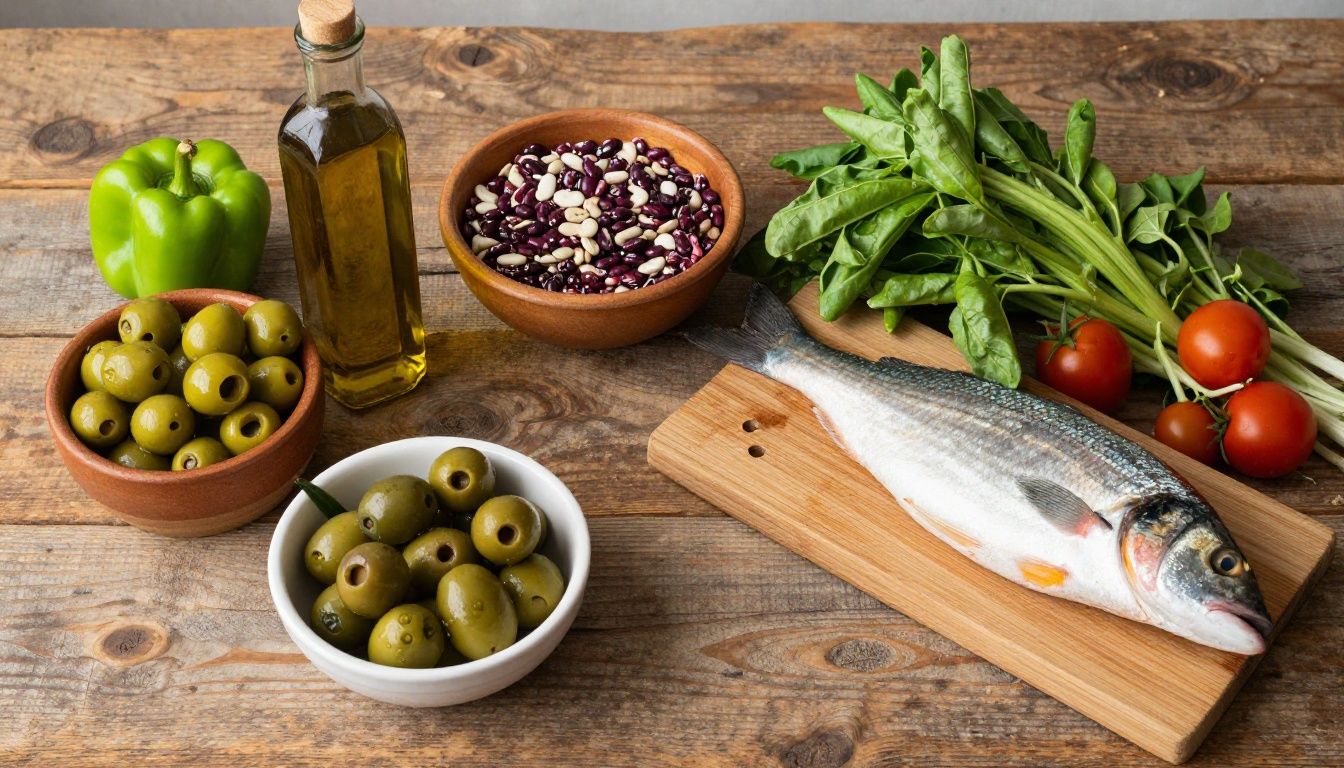
The Mediterranean diet is regularly named one of the absolute best ways to eat for long-term wellness. Instead of a rigid, deprivational meal plan, this flexible lifestyle focuses on delicious, whole-food choices that have sustained communities for generations. In this article, you will find the Mediterranean diet explained in detail, including its core principles, simple meal ideas, and easy ways to adjust the pattern to your budget.
By exploring this ancient and scientifically backed approach, you will learn how incorporating simple ingredient swaps can benefit your heart, digestion, and overall energy levels. Transitioning to a new lifestyle does not require a complete overnight overhaul. Instead, making small and consistent adjustments allows you to enjoy nutritious foods that truly satisfy your appetite.
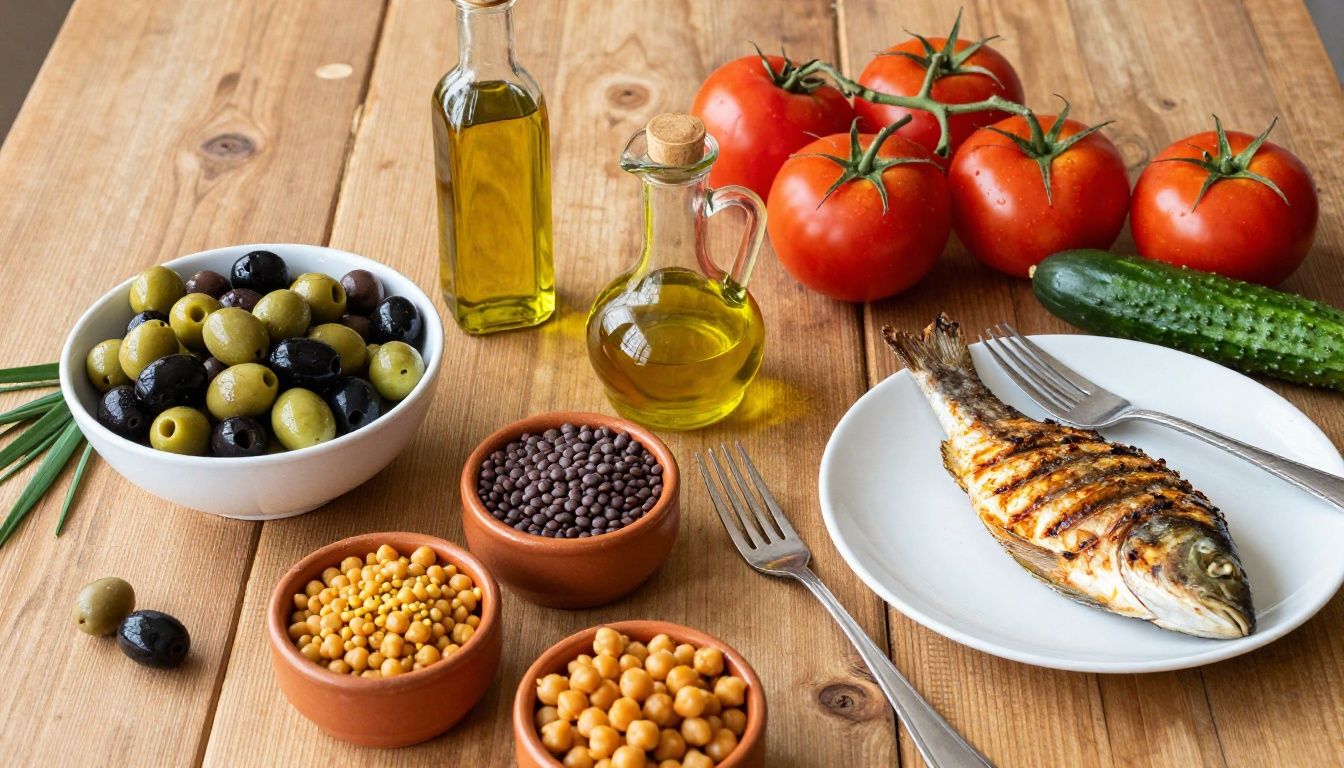
Key Takeaways
- Not a Strict Diet: It is a highly customizable, lifelong eating pattern based on whole foods, not a rigid set of rules.
- Heart and Gut Protective: Emphasizes healthy fats, antioxidants, and dietary fiber that support both cardiovascular strength and digestive health.
- Plant-Forward Focus: Consistently prioritizes beans, lentils, vegetables, fruits, nuts, seeds, and whole grains.
- Highly Adaptable: Works beautifully with various cultural preferences, budgets, frozen foods, and canned staples.
- Encourages Balance: Focuses on overall dietary quality rather than obsessing over single ingredients or total restriction.
Understanding Mediterranean Diet Explained
When we look at the Mediterranean diet explained, we see that it is not a commercial weight-loss program run by a corporation. Rather, it is a traditional way of eating practiced by populations living along the Mediterranean Sea, particularly in Greece, Italy, and southern Spain. These populations historically experienced remarkably low rates of chronic disease and high life expectancy.
At its core, this lifestyle is a plant-forward eating pattern. It does not label foods as completely forbidden. Instead, it prioritizes whole, minimally processed ingredients while naturally reducing items high in refined sugars, saturated animal fats, and chemical preservatives. It represents a joyous, balanced relationship with real, nourishing food.
Core Components of Mediterranean-Style Eating
To grasp the foundation of this healthy lifestyle, look at the foods that make up the daily plate:
- Vegetables and Fruits: A colourful variety provides essential vitamins, minerals, and protective antioxidants.
- Whole Grains: Oats, brown rice, barley, and whole-wheat pasta offer sustained energy.
- Legumes and Nuts: Beans, lentils, chickpeas, walnuts, and almonds supply plant protein and healthy fats.
- Healthy Oils: Extra virgin olive oil serves as the primary cooking and dressing fat.
Why Mediterranean Diet Explained Matters
Adopting this way of eating provides profound, verified support for your systemic physical health. Research shows that a Mediterranean eating pattern can help maintain healthy cholesterol levels and keep blood pressure within a normal, safe range. It also promotes stable blood sugar management, reduces systemic inflammation, and lowers the risk of developing cardiovascular issues.
Furthermore, this way of eating heavily supports a flourishing, active digestion process. A varied, plant-heavy diet acts as a natural fertilizer for the beneficial microbes residing in your digestive tract. To build a solid foundation, researchers recommend Building a Healthy Plate at Every Meal to ensure you are receiving a balanced ratio of essential macronutrients each day.
Rather than relying on quick-fix cleanses, this eating pattern strengthens your body’s natural defense systems. By providing a steady stream of antioxidants and anti-inflammatory compounds, it helps protect cellular structures from oxidization. Over time, these benefits cultivate a high level of daily vitality, promoting healthier aging and lasting physical mobility.
Key Factors to Consider
Before restructuring your daily pantry, it helps to understand the main nutritional aspects that make this eating style so effective for the human body.
The Importance of Dietary Fiber
Fiber is the structural part of plant foods that your body cannot digest. Eating abundant fiber helps you feel full longer while gently sweeping the colonic tract. By consuming more whole grains and legumes, you support healthy bowel regularity. Readers can discover more about these processes in our article on The Benefits of Eating More Fiber.
Shifting Toward Unsaturated Fats
Replacing butter and lard with liquid unsaturated fats is a classic hallmark of the Mediterranean approach. Extra virgin olive oil is rich in monounsaturated oleic acid. While you do not need to view saturated fats as toxic, shifting the overall daily ratio toward unsaturated fats creates a highly protective cardiovascular profile.
Diverse Protein Options
This lifestyle highlights diverse, nutrient-rich resources for protein. Cold-water fish provides vital fatty acids, while legumes serve as highly affordable, low-fat plant proteins. You do not need to consume expensive ocean catches to succeed; simple plant proteins work wonderfully.
Evidence-Based Strategies and Practical Steps
Transitioning to a Mediterranean way of eating works best when you take small, deliberate steps. Start by altering your primary fat source. Keep a bottle of high-quality extra virgin olive oil on your counter to replace butter for cooking vegetables, roasting proteins, and dressing fresh greens.
Next, aim to introduce plant-based meals to your weekly menu twice a week. You can swap out ground beef recipes for dishes utilizing brown lentils, black beans, or chickpeas. For helpful guidance on starting your path with whole plant foods, check out this guide on Plant-Based Nutrition for Beginners.
Science shows that the health rewards of this lifestyle are due to the combined synergy of whole foods. According to a comprehensive online Harvard T.H. Chan School of Public Health — Diet Review: Mediterranean Diet, this eating framework is strongly associated with reduced cardiovascular risk because it functions as a complete lifestyle package.
Additionally, focus on reducing your consumption of sweet sodas and heavily sweetened packaging store goods. Replace these beverages with fresh water, seltzer, or herbal teas. Infuse your water with fresh lemon slices, lime wedges, or mint leaves to create a highly refreshing, sugar-free beverage.
Practical Examples for Beginners
To make this lifestyle simple, you can structure your daily Mediterranean meal ideas around simple, accessible ingredients. You do not need complex, expensive recipes. Focus on constructing a balanced plate using ingredients you can easily find at your local grocer.
- Breakfast Ideas: Warm oats topped with raw walnuts and blueberries, or unsweetened Greek yogurt paired with ground flaxseed and sliced strawberries.
- Lunch Ideas: A rich Mediterranean salad containing canned chickpeas, cucumbers, diced tomatoes, feta cheese, and extra virgin olive oil.
- Dinner Ideas: Baked white fish or baked tofu seasoned with oregano, served alongside roasted sweet potatoes and steamed broccoli.
- Simple Snack Ideas: Sliced apple wedges with almond butter, a handful of unsalted pumpkin seeds, or baby carrots dipped in savory garlic hummus.
Focus on preparing fresh, uncomplicated meals in your own kitchen. Over time, this natural habit will replace your dependency on highly processed takeout. Preparing food at home allows you to control the quality of the oils and the exact amount of sodium used in your culinary creations.
Common Mistakes and Long-Term Tips
A very common pitfall for most beginners is adding copious amounts of olive oil to an otherwise unhealthy meal. Remember that calories still matter. Simply pouring oil over processed foods will not deliver the true health protective benefits of this traditional pattern.
Another frequent mistake is assuming that all Italian or Greek restaurant food fits this health model. Many modern commercial establishments use heavily refined white flours, processed meats, and excessive salt. Look closely at preparation methods and choose baked, grilled, or steamed configurations over deep-fried or heavily creamed options.
Do not start drinking red wine simply because it is mentioned in literature about the Mediterranean lifestyle. If you do not currently drink alcohol, there is absolutely no medical reason to start. You can easily achieve all of the cardiovascular and digestive benefits of the lifestyle without drinking a single drop.
When to Speak With a Healthcare Professional
Switching to a nutrient-dense, fiber-rich lifestyle is generally safe for most active people. However, if you are currently managing a chronic metabolic condition, such as diabetes, bowel disorders, or kidney disease, consult your GP before making drastic lifestyle shifts.
Increasing your daily dietary fiber too quickly can sometimes cause temporary digestive gas or physical bloating. A certified dietitian can help create a personalized timeline to let your digestive tract adapt smoothly. They will ensure your lifestyle changes support any existing medical therapies or prescribed medications.
Frequently Asked Questions
Do I need to buy expensive imported food?
No. You can easily apply these principles using standard grocery items. Simple canned beans, frozen spinach, oats, brown rice, and budget-friendly store-brand olive oil are excellent, affordable staples that align perfectly with this healthy eating approach.
Is pasta allowed on this eating lifestyle?
Yes, pasta is absolutely allowed. Traditional Mediterranean communities regularly enjoy pasta, but they eat it in moderate portion sizes. To maximize your benefits, choose whole-wheat pasta and pair it with abundant vegetables, olive oil, and clean proteins.
Can I follow this eating plan if I am vegetarian?
Absolutely. This eating style is naturally plant-forward. Vegetarians can easily meet all their nutrient requirements by emphasizing diverse legumes, lentils, seeds, nuts, whole grains, and healthy plant oils while omitting fish and poultry entirely.
Is frozen produce as healthy as fresh produce?
Yes, frozen fruits and vegetables are highly nutritious because they are typically picked and frozen at their nutritional peak. They are often more affordable, last longer, and help you dramatically reduce your daily kitchen waste.
Do I have to stop eating red meat entirely?
No, you do not have to completely eliminate red meat. The main goal is to shift your primary proteins toward fish, poultry, and plants. Save red meat for special occasions, choosing lean cuts and smaller portions.