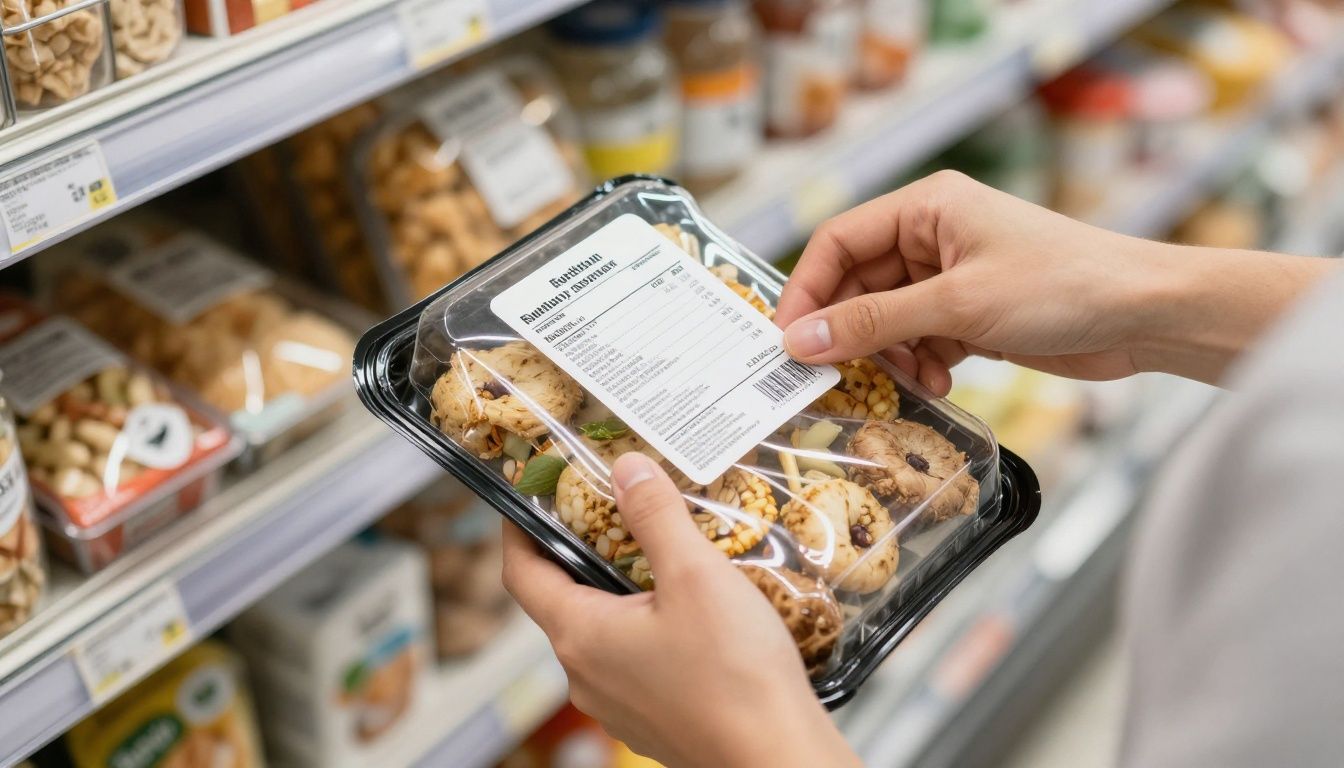
Walking through the grocery store aisles can often feel overwhelming, with colorful packaging and bold marketing claims vying for your attention. However, beneath the flashy branding lies the most important part of any packaged food: the Nutrition Facts label. Understanding food labels is an essential skill for anyone looking to make more informed decisions about what they bring into their kitchen. By learning to look past the front of the package, you can gain a clear picture of exactly what you are consuming. This guide will help you navigate the complexities of labels, serving sizes, and ingredient lists, empowering you to choose products that align with your health goals. Whether you are aiming to increase your fiber intake, monitor your sodium, or simply eat more mindfully, becoming a label-reading pro is the first step toward building a sustainable and healthy eating pattern.
Key Takeaways
- Always start by checking the serving size, as this dictates the nutrient profile for the entire label.
- Understand that the ingredient list is organized by weight, meaning the first few items make up most of the product.
- Use the 5% and 20% daily value rule: 5% or less is low in a nutrient, while 20% or more is high.
- Marketing claims like “natural” or “multigrain” can be misleading; focus on the factual Nutrition Facts panel instead.
- Nutrient needs are highly individual, so evaluate labels based on your own body, activity level, and medical advice.
Understanding food labels
At its core, the Nutrition Facts label is a standardized report card for the food you eat. While it may look different depending on the manufacturer or the country of origin, the FDA-mandated format in the United States provides a consistent way to evaluate the nutritional value of packaged goods. The label is divided into several clear sections: serving information, calorie counts, nutrient totals, and the percent of daily value recommendations.
The Anatomy of the Nutrition Panel
When you pick up an item, the first thing to note is the serving size. It is critical to remember that this size represents an amount people typically consume, not necessarily a recommended portion. Following the serving size, you will see the total number of servings per container. If you eat two servings, you must double all the nutrient values listed. Finally, the label details the macronutrient breakdown, including total fat, cholesterol, sodium, total carbohydrates, and protein. Beneath these, you will usually find specific vitamins and minerals, such as vitamin D, calcium, iron, and potassium. Learning to scan these numbers systematically is the foundational skill required for effectively understanding food labels in your daily life.
Why understanding food labels matters
Being proactive about what you consume allows you to align your diet with your personal health objectives rather than relying on guesswork. When you understand the components listed on a package, you can identify hidden sources of added sugars, excessive sodium, or unhealthy fats that might otherwise go unnoticed. This awareness is a major step in the fundamentals of balanced nutrition, as it provides the data you need to construct a plate that keeps you fueled and satisfied throughout the day. Rather than focusing on “good” or “bad” foods, label reading helps you see the broader context of your entire dietary intake. It turns the guesswork of grocery shopping into a structured process that supports your body’s unique needs, whether you are trying to improve your energy levels or simply manage the quality of your meals to better support long-term wellness.
Key Factors to Consider
Serving Size vs. Portion Size
One of the most common pitfalls is confusing serving size with the physical portion you decide to eat. A container of soup might list a serving size as one cup, but the container could hold three servings. If you consume the whole container, you are getting three times the calories and nutrients listed. Always check this before assessing the nutritional content.
The Importance of Percent Daily Value (%DV)
The %DV column is a quick guide to how much a nutrient in a single serving contributes to your total daily diet based on a 2,000-calorie reference. A general rule of thumb is that 5% DV or less is considered low, while 20% DV or more is considered high. This helps you quickly identify foods that are rich in beneficial nutrients like fiber or potassium.
Ingredient List Hierarchy
Ingredients are listed in descending order by weight. Anything listed at the very top of the list is present in the greatest quantity. This is particularly useful for finding hidden added sugars, which can appear under names like high-fructose corn syrup, cane juice, or dextrose. Reading this list is just as important as reading the nutritional numbers.
Evidence-Based Strategies and Practical Steps
To become better at choosing your foods, you must move beyond the front-of-package marketing and focus on the back panel. A smart strategy is to follow the U.S. Food and Drug Administration’s—How to Understand and Use the Nutrition Facts Label guidelines, which provide the gold standard for interpreting what you see. First, check the serving size and servings per container. Second, review the calories, keeping in mind your individual activity level. Third, look at nutrients to limit: saturated fat, sodium, and added sugars. Fourth, look for nutrients to get enough of, such as dietary fiber, which is explained in more detail in our guide on the Unlock Your Health: A Comprehensive Guide to the Benefits of Eating More Fiber.
Practical steps for your next trip:
- Compare similar products: Place two items side-by-side and look at the total sugar and sodium per serving.
- Analyze the fiber content: Aim for products with at least 2-3 grams of fiber per serving for bread or grains.
- Watch the ingredient order: If sugar is one of the first three ingredients, consider it a “sometimes” food rather than a daily staple.
- Ignore front-of-package health claims: Terms like “natural” are often unregulated and don’t tell the whole story.
Practical Examples for Beginners
Seeing these concepts in action makes them much easier to apply. For example, if you are comparing two breakfast cereals, look at the added sugar per serving rather than the box’s “healthy” label. One might have 12 grams of sugar with no fiber, while another has 4 grams of sugar and 5 grams of fiber. The second choice offers better fuel for your morning. Similarly, when choosing bread, ignore terms like “multigrain” and look for “whole wheat flour” as the first ingredient on the list. When evaluating yogurt, you might find that a low-fat label hides a massive amount of added sugar meant to improve flavor. By applying the principles discussed in Best Foods for Gut Health: Eat These Every Day, you can look past these labels and choose a simple, plain yogurt that you can sweeten yourself with fresh fruit. This kind of intentional shopping habit eventually becomes second nature, allowing you to move through the store with much more confidence and clarity.
Common Mistakes and Long-Term Tips
Many people make the mistake of viewing labels once and assuming that product is always “healthy.” However, recipes change, and new versions of products hit the shelves frequently. Always double-check labels even if you have purchased the item before. Another common error is focusing exclusively on calories. While energy balance is important, the quality of the ingredients matters just as much. A 100-calorie snack consisting mostly of refined sugar will not sustain your appetite or provide the nourishment of a 100-calorie snack with fiber and healthy fats. Sustainability comes from habit-stacking; once you learn what to look for, you do not have to analyze every single item you buy. You will eventually learn which brands and products consistently match your health needs. Focus on the big picture of your eating habits rather than obsessing over the perfection of one specific ingredient. Over time, these small decisions aggregate into a much more nutritious and balanced way of eating that supports your lifestyle without the added stress of feeling like you must be a scientist at the store.
When to Speak With a Healthcare Professional
If you have chronic health conditions like diabetes, hypertension, or food allergies, understanding labels is even more critical. While general guidelines are helpful, specific thresholds for sodium or sugar may differ based on your medical team’s advice. If you find yourself confused by specific ingredients or if you are managing a restricted diet due to a medical condition, do not hesitate to ask a registered dietitian for guidance. They can help you translate these labels into a personalized plan that works for your specific health history, lifestyle, and unique nutritional requirements.
Frequently Asked Questions
Why is serving size so important on a label?
Serving size determines the base for every single number on the panel. If you consume more than the designated serving, you are consuming more of every nutrient, including sodium and sugar. It is the most vital piece of information to read to calculate your actual intake accurately.
What do the terms “low-fat” or “sugar-free” actually mean?
These are front-of-package marketing claims. “Low-fat” often means the product has less fat but may compensate with higher sugar or salt to maintain flavor. “Sugar-free” does not mean calorie-free. Always check the Nutrition Facts panel to see what replaced the fat or sugar removed from the product.
Are all ingredients labeled specifically?
Most items have detailed ingredient lists, but some ingredients can be grouped. For example, natural flavors or spices might be listed without full disclosure. Furthermore, major allergens must be disclosed, but individual manufacturing processes can vary, so keep your medical needs in mind when reading the ingredient list.
What does “Total Carbohydrates” include?
Total carbohydrates include dietary fiber, total sugars, and added sugars. Fiber is a complex carbohydrate that helps digestion, while added sugars are those introduced during manufacturing. You want to prioritize products higher in fiber and lower in added sugars, rather than just worrying about the total carbohydrate count.
Does a health claim mean a food is nutritious?
No, health claims on the front of a package do not guarantee nutritional quality. A product might be labeled as “whole grain,” but the ingredient list might show that refined flour or sugar is listed higher than the whole grain itself. Always verify the claim by turning the package over
Final Thoughts
Understanding food labels is one of the most practical and empowering tools you can add to your health toolkit. It allows you to move past clever marketing and start making choices based on data that supports your own unique well-being. Start simple: choose one category of food, like cereals or bread, to practice on during your next trip to the grocery store. By focusing on serving sizes, fiber, and sugar content, you will gradually build the confidence to navigate the entire supermarket. Remember that long-term health is about your overall patterns, not a single decision. Keep learning, keep reading, and enjoy the process of becoming a more conscious eater.
Related Articles
Plant-Based Nutrition for Beginners
Protein: Why Your Body Needs It
The Mediterranean Diet Explained: A Flexible, Heart-Healthy Lifestyle
Superfoods: What They Are and Why They Matter
Hydration and Your Health: Why Water Matters More Than You Think