
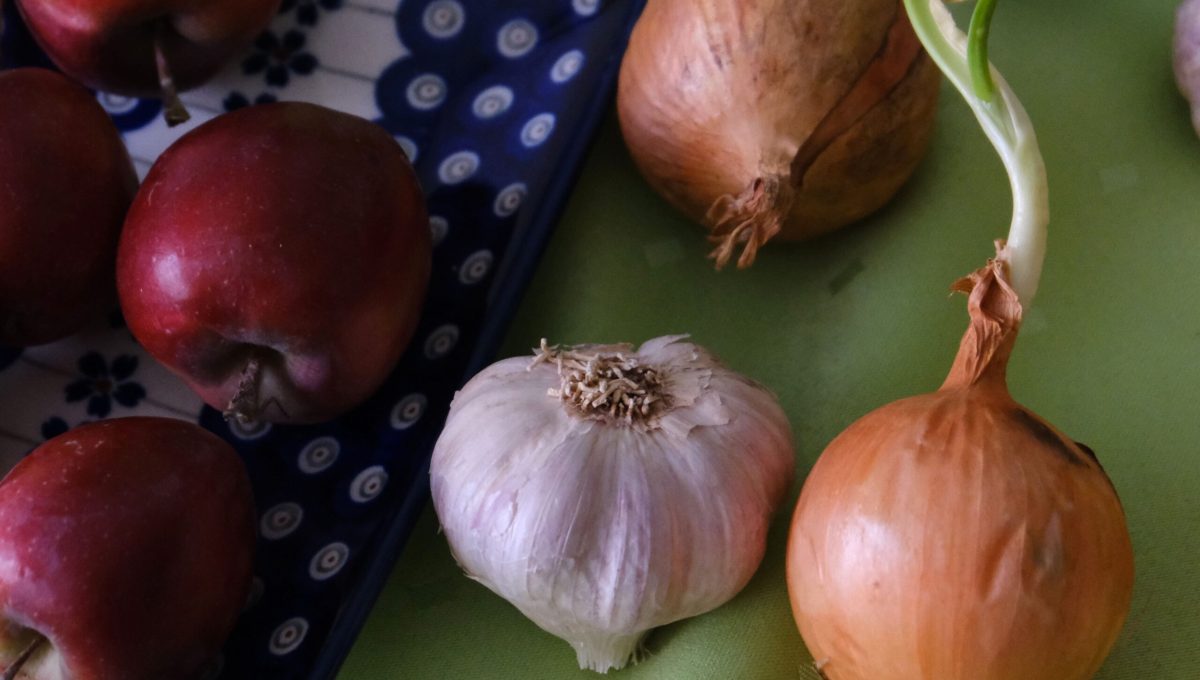
If you live with irritable bowel syndrome, knowing the worst foods for IBS helps you avoid flare-ups and feel more in control. Many common triggers are high‑FODMAP items like lactose, fructans, GOS, polyols, and excess fructose—think onions, garlic, wheat, certain fruits, beans, and lentils—as well as fatty, fried, and spicy foods; caffeine; alcohol; sugar alcohols; large meals; and highly processed foods. Portion size and your personal sensitivity shape which foods cause problems.
This article shows common triggers, practical swaps (like lactose‑free dairy, low‑FODMAP veggies, lean cooked proteins, and simple whole grains), and a clear symptom‑tracking approach so you can find your own pattern. You’ll learn why foods such as fried dishes, spicy sauces, and artificial sweeteners often worsen IBS symptoms and how to test changes step by step.
Expect straightforward guidance on identifying your personal IBS triggers and making realistic food swaps that fit daily life. Use the tips here with your doctor or dietitian to build an IBS diet plan that reduces symptoms without cutting out more than necessary.
Understanding Personal IBS Triggers
You react to foods in your own way. Some people flare from lactose or excess fructose, while others notice symptoms from fructans, GOS, or polyols. Portion size often matters: a small amount might be fine, but a large serving can cause problems.
Start by tracking what you eat and how you feel. Note meals, portion sizes, and symptoms for at least a few weeks. Patterns often reveal specific triggers like onions, garlic, wheat, beans, or lentils.
Some conditions can cause symptoms similar to IBS. If symptoms continue despite dietary changes—especially if diarrhea is frequent—ask a healthcare professional whether testing for celiac disease or lactose intolerance is appropriate. Do not begin a gluten-free diet before celiac testing, because removing gluten can affect the accuracy of test results. Because digestive symptoms can overlap, it may also help to understand IBS vs. food intolerance.
Common culprits include fried foods, spicy foods, caffeine, alcohol, sugar alcohols (in sugar-free gum and sweets), large meals, and highly processed foods. Try realistic swaps: cooked carrots or zucchini for raw high-FODMAP veggies, lactose-free milk or hard cheeses for dairy, and rice or oats for wheat-based items.
Use simple trials to test suspected triggers. Change one factor at a time and track your symptoms. A structured low-FODMAP diet usually begins with a short 2–6 week restriction phase, followed by reintroduction and personalization, ideally with guidance from a registered dietitian. A structured low-FODMAP plan usually begins with a short restriction phase, followed by reintroduction and personalization.
Keep meals regular and portion-controlled. Eating smaller, balanced meals and avoiding late-night heavy eating often reduces flares. Work with a dietitian when possible to build a safe, varied plan that meets your needs.
Worst Foods for IBS: How High-FODMAP Foods Affect Symptoms
High-FODMAP foods contain short-chain carbs that your small intestine may not absorb well. These carbs—lactose, fructans, GOS, polyols, and excess fructose—draw water into the gut and feed bacteria, which can cause gas, bloating, pain, diarrhea, or constipation.
Many common foods are high in FODMAPs. Dairy products like milk, soft cheese, ice cream, and yogurt can trigger symptoms if you are lactose sensitive. Wheat, rye, and barley contain fructans; bread, pasta, and baked goods may cause trouble in larger portions.
Fruits such as apples, pears, and dried fruits (prunes, apricots, and plums) are high in excess fructose or polyols. Beans, lentils, and chickpeas are rich in GOS and often cause gas. Vegetables like onion, garlic, mushrooms, asparagus, artichoke, broccoli, and Brussels sprouts are high in fructans or other fermentable carbs.
Other common triggers include fried or very fatty foods, spicy foods, caffeine, alcohol, sugar alcohols (in sugar-free gum and mints), large meals, and highly processed items. Portion size matters: a small amount might be tolerated, while a larger serving can trigger symptoms.
Practical swaps: choose lactose-free milk or hard cheeses, try low-FODMAP fruits (bananas, berries), use garlic-infused oil for flavor without fructans, and swap large meals for smaller, regular ones. Work with a dietitian to reintroduce foods and find what you personally tolerate.
Impact of Fatty, Fried, and Spicy Foods, Caffeine, and Alcohol
Fatty and fried foods can worsen cramping, bloating, urgency, or loose stools for some people with IBS. Large portions make this worse, so smaller meals help. Avoid heavy fried items like french fries and battered foods when you notice symptoms.
Spicy foods may trigger pain, urgency, or digestive discomfort in some people with IBS. Chili, hot sauces, and heavily spiced dishes may bring on pain or urgency. If spices bother you, try milder seasoning like herbs, lemon, or small amounts of ginger.
Caffeine often increases bowel activity and can worsen urgency or diarrhea. Coffee, some teas, cola, and energy drinks are common culprits. Chocolate contains caffeine too, so track both the amount and how often you drink coffee or soda.
Alcohol and carbonated beverages can irritate your gut and change motility. Beer, wine, spirits, soda, and other soft drinks may cause bloating or loose stools, especially in larger amounts. Carbonation can add gas and pressure that make discomfort worse.
Some foods contain FODMAPs like lactose, fructans (onions, garlic, wheat), GOS (beans, lentils), polyols, and excess fructose; these can add to reactions when combined with fatty, spicy, or caffeinated items. Sugar alcohols in sugar-free gums and candies also trigger symptoms for many people.
Try these alternatives:
- Swap fried for grilled or baked lean proteins and use olive oil sparingly.
- Use mild herbs instead of hot spices.
- Cut back on coffee, cola, and chocolate; try low-caffeine tea or decaf.
- Choose still water or diluted juice instead of soda or sparkling drinks.
Role of Artificial Sweeteners, Large Meals, and Processed Foods
Artificial sweeteners and sugar alcohols can upset some people with IBS. Polyols like sorbitol and xylitol often cause gas and diarrhea because they draw water into the bowel. Erythritol is usually better tolerated, but you should test it in small amounts.
Processed foods may combine several possible IBS triggers, including large amounts of fat, lactose, onion, garlic, spicy seasonings, caffeine, or sugar alcohols. Check labels for the specific ingredients that affect you rather than assuming every processed food will cause symptoms.
Large meals stretch the gut and slow digestion, which can trigger bloating and pain. Eating big portions of fried or spicy foods, or meals high in fat, often makes symptoms worse. Try smaller, more frequent meals to reduce pressure on your bowel.
Triggers differ by person and by portion size, so track what you eat and how you feel. Foods with lactose, fructans (onions, garlic, wheat), GOS (beans, lentils), and excess fructose can all be problems. Swap beans for canned lentils rinsed well, choose plain oats or low-FODMAP cereals, and pick lean, minimally processed proteins.
Use simple label checks to look for ingredients that have triggered symptoms for you, such as lactose, onion, garlic, caffeine, or sugar alcohols ending in “-ol.” Choose moderate portions and simpler meals during testing so patterns are easier to identify. Choose whole foods, home-cooked dishes, and moderate portions to better control symptoms.
Symptom Tracking and Practical Food Swaps
Keep a simple food and symptom diary for 2–6 weeks to spot patterns. Note what you eat, portion sizes, and any symptoms and timing. Tools like apps or printable journals make this easier and more consistent.
Understand that triggers differ by person and by portion size. Common triggers include lactose, fructans, GOS, polyols, and excess fructose. Foods that often cause problems are onions, garlic, wheat, beans, lentils, fried or spicy foods, caffeine, alcohol, sugar alcohols, large meals, and highly processed foods.
Use the low-FODMAP approach as a testing tool, not a permanent strict rule. Monash University explains that the low-FODMAP diet involves restriction, reintroduction, and long-term personalization Work with a dietitian if you can.
Practical swaps to try:
- Replace regular milk with lactose-free milk or plant milk.
- Swap wheat pasta for gluten-free pasta or low-FODMAP grain alternatives.
- Choose canned lentils rinsed well or smaller portions, or swap for low-FODMAP proteins like firm tofu.
- Cut back on fried or spicy meals; use mild herbs and baking instead of frying.
- Avoid sugar alcohols (sorbitol, xylitol); check ingredient lists on processed foods. For more meal ideas, see our guide to foods that help IBS symptoms.
Focus on smaller, regular meals and fewer trigger foods at once. Track changes and reintroduce items one at a time to see what you tolerate. Use tracking tools and practical swaps to reduce symptoms while you learn your personal triggers.
Final Thoughts
The worst foods for IBS are not identical for everyone. High-FODMAP foods, fatty or fried meals, spicy foods, caffeine, alcohol, sugar alcohols, and large portions may cause symptoms, but your personal tolerance matters most.
Start with one suspected trigger, track your response, and make gradual changes rather than eliminating many foods at once. A healthcare professional or registered dietitian can help if symptoms are severe, persistent, or difficult to manage.