
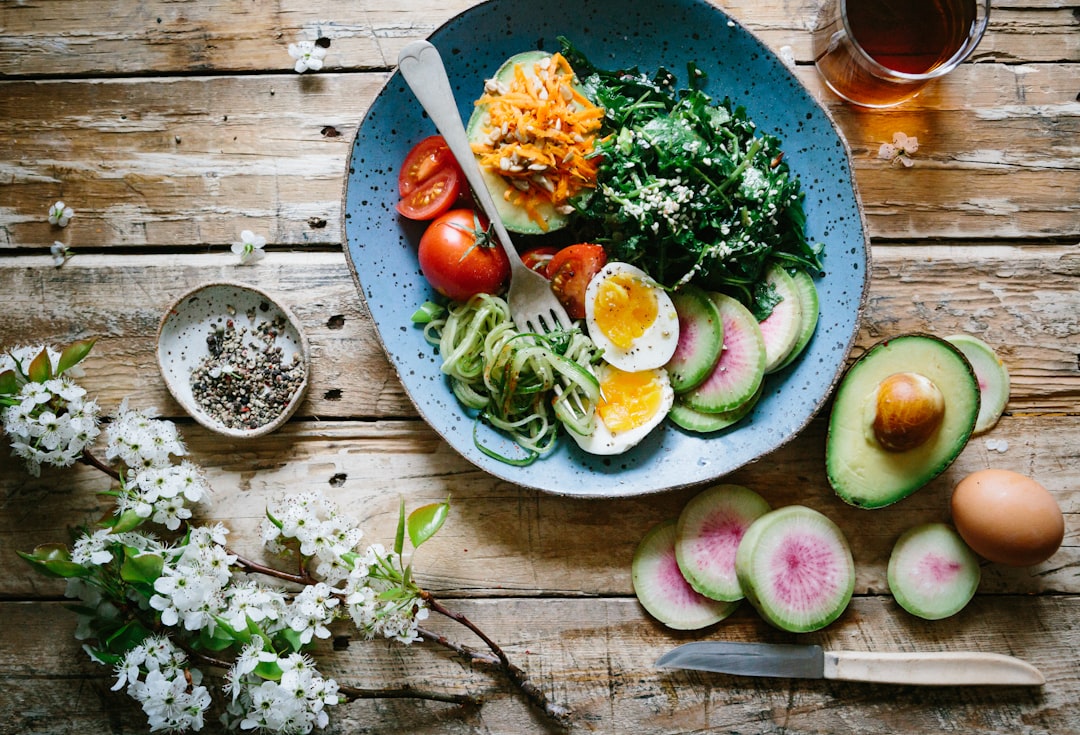
If you have been dealing with bloating, gas, and unpredictable bathroom habits, you already know how discouraging generic diet advice can feel. The best foods for IBS are not the same for everyone, but certain choices are often easier to tolerate and can help you build meals around digestive comfort instead of guesswork.
Irritable bowel syndrome, or IBS, is a digestive disorder that can cause abdominal discomfort, bloating, gas, diarrhea, constipation, or a mix of both. Symptoms often shift from person to person and even from week to week. That is why an IBS diet works best when it stays flexible, practical, and focused on patterns rather than perfection.
What Is IBS?
IBS is a group of digestive symptoms that happen together, often including repeated abdominal pain and changes in bowel habits. According to the National Institute of Diabetes and Digestive and Kidney Diseases, IBS does not cause visible damage to the digestive tract, but it can still have a major effect on daily comfort and routines.
Common symptoms include bloating, gas, cramping, abdominal discomfort, diarrhea, constipation, or alternating bowel patterns. Some people notice symptoms after meals, while others find stress, timing, and portion size also play a role. The honest answer is that IBS can be complicated, which is why one-size-fits-all food rules rarely work.
Diet matters because food interacts directly with digestion, stool consistency, and fermentation in the gut. For many people, choosing more IBS-friendly foods can reduce symptom flare-ups and make meals feel less stressful. Consistency matters far more than perfection here.
How Food Affects IBS Symptoms
Food can affect IBS symptoms through several pathways, including fiber type, fermentation, fat content, and personal trigger sensitivity. Think of your gut like a garden. Beneficial bacteria are the plants you want to support, but some foods can create more gas or irritation than your system handles comfortably.
One reason symptoms vary is that individual food triggers vary. A food that feels completely fine for one person may cause bloating or urgency for someone else. This is especially common with high-FODMAP foods, which contain certain carbohydrates that can be poorly absorbed and then fermented by gut bacteria.
Fiber also matters, but the type matters more than the label. Soluble fiber absorbs water and forms a gel-like texture, which may help support digestive regularity. Insoluble fiber can be helpful for some people, but in others it may increase irritation or speed things up too quickly.
That is why a personalized IBS diet often works better than a strict universal plan. You do not need to overhaul your entire life. Start with one meal, one habit, one change at a time, and pay attention to how your body responds.
Best Foods for IBS
The best foods for IBS are usually simple, lower in trigger ingredients, and easier to digest. Instead of chasing a perfect menu, focus on building a short list of dependable foods you tolerate well and can rotate through regularly.
1. Soluble Fiber Foods
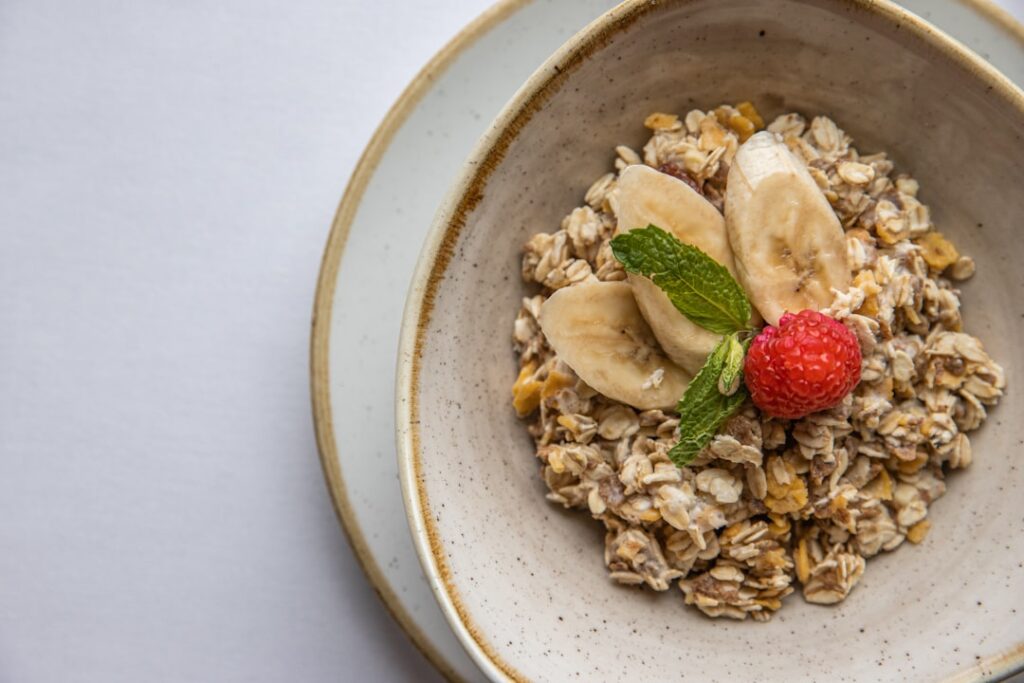
Soluble fiber foods are often a smart starting point because they may support more comfortable bowel movements without being as harsh as rougher fibers. Research summarized by NIDDK suggests soluble fiber may be more helpful than insoluble fiber for relieving IBS symptoms.
Good examples include oats, psyllium fiber, chia seeds, and bananas. Oatmeal is gentle and easy to customize. Psyllium can be useful for people working on digestive regularity. Chia seeds add soluble fiber in small amounts, while bananas are often one of the easier fruits to tolerate. Increase fiber gradually so you do not trade constipation for extra gas and bloating.
2. Low-FODMAP-Friendly Foods
Low FODMAP foods are often used during short-term symptom management because they limit certain fermentable carbohydrates that may trigger bloating, gas, and bowel changes. This approach can be useful, but it is usually meant to be temporary and personalized rather than a forever restriction plan.
Examples of lower-FODMAP choices include fruits like strawberries, blueberries, kiwi, and firm bananas; vegetables like carrots, spinach, zucchini, and bell peppers; proteins like eggs, chicken, fish, and tofu; and grains like rice, quinoa, and oats. If you want more context on food triggers, see our guide to foods to avoid with IBS.
3. Lean Protein Sources
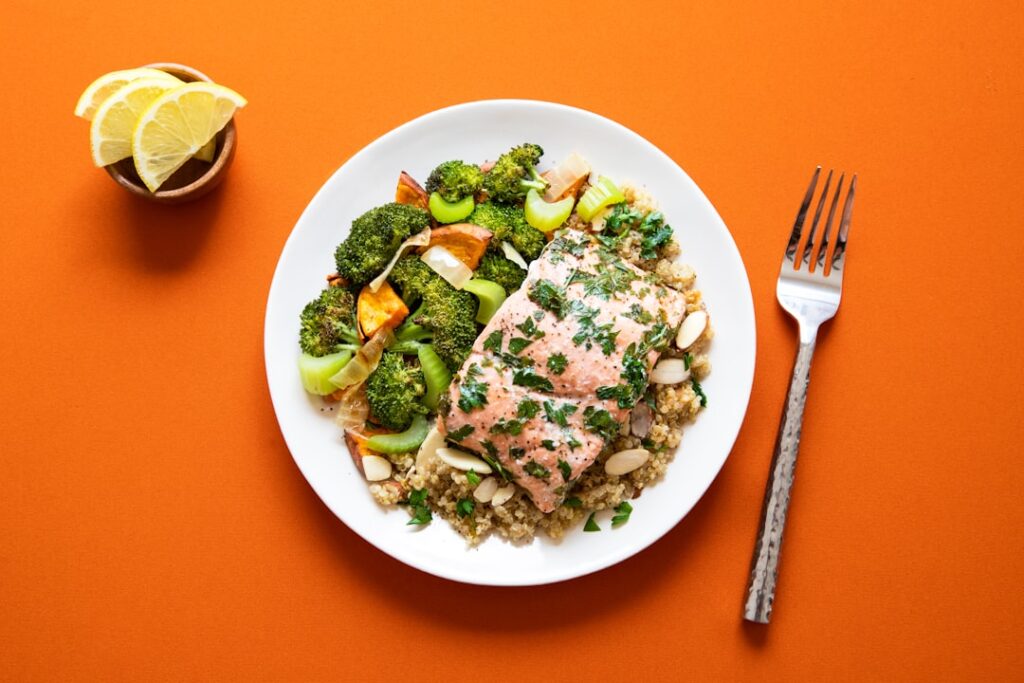
Lean proteins are often well tolerated because they do not contain the fermentable carbohydrates that commonly trigger IBS symptoms. They can also make meals more balanced and satisfying without adding unnecessary digestive stress.
Eggs, fish, chicken, turkey, and tofu are common staples in an IBS diet. Baked, grilled, poached, or lightly sautéed versions are often easier to handle than heavily breaded or fried preparations. Simple seasoning can also be easier than rich sauces packed with garlic, onion, or added sugars.
4. Gut-Friendly Fruits
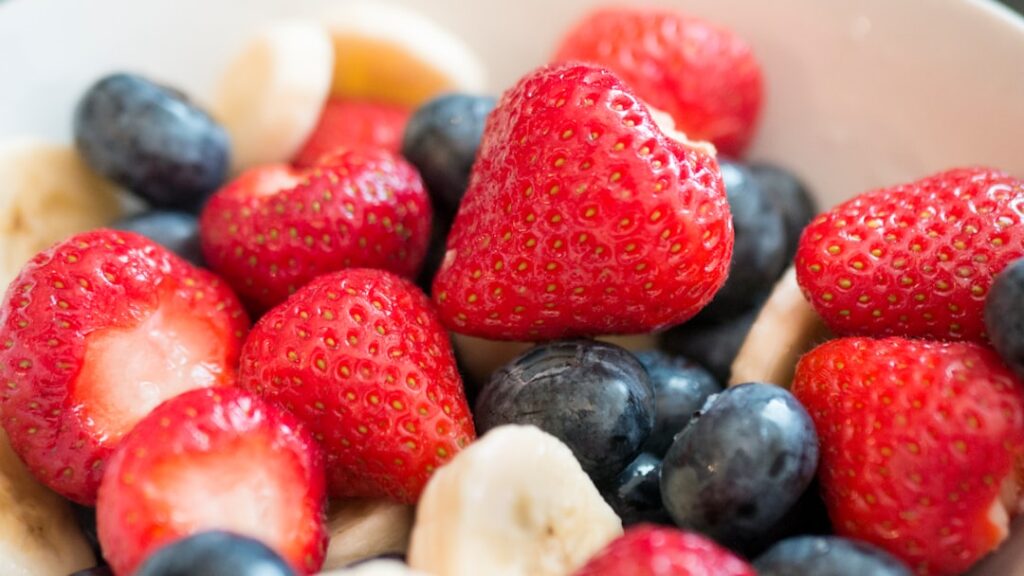
Some fruits provide fiber and helpful nutrients without being overly harsh on digestion. The goal is not to avoid fruit completely but to choose options that are more likely to support comfort.
Blueberries, strawberries, kiwi, and bananas are popular gut-friendly choices for many people with IBS. They are commonly included in low-FODMAP food lists in moderate portions, and they work well in smoothies, oatmeal, yogurt, or simple snacks. Portion size still matters, so even tolerated foods are best introduced thoughtfully.
5. Cooked Vegetables
Cooked vegetables are often easier to tolerate than raw vegetables because cooking softens their texture and may make them less demanding on digestion. This can be especially helpful if raw salads leave you feeling bloated or uncomfortable.
Try cooked carrots, zucchini, spinach, green beans, or peeled potatoes in simple portions. Roasting, steaming, or sautéing can make vegetables feel gentler while still helping you improve digestive health with more plant variety. If your gut feels sensitive, cooked may simply be the better place to start.
6. Fermented Foods
Fermented foods may help support gut health by adding beneficial bacteria, but tolerance varies, and more is not always better. A small, steady amount is often more practical than suddenly adding large servings.
Yogurt with live cultures, kefir, and other fermented foods can fit into an IBS-friendly routine if they agree with you. Some people do well with lactose-free yogurt or smaller servings first. If you want extra support beyond food, you can also explore the Healthieme Gut Health Supplements page for options chosen around quality and digestive goals rather than hype.
Foods That May Trigger IBS Symptoms
Many IBS triggers show up repeatedly, but they are still personal. The most common troublemakers include high-FODMAP foods, fatty fried foods, artificial sweeteners, excess caffeine, alcohol, and highly processed foods.
High-FODMAP foods can include items such as onions, garlic, some beans, certain dairy products, wheat-based foods, apples, and some sweeteners. Fatty fried foods may slow digestion and worsen bloating. Sugar alcohols found in sugar-free products can be especially rough on sensitive guts. Caffeine and alcohol may also aggravate urgency or abdominal discomfort in some people. If you are experiencing these symptoms, our team at Healthieme can help you build a more practical starting point.
Creating A Simple IBS-Friendly Meal Plan
A simple meal plan can make the best foods for IBS easier to apply in real life. The goal is not to eat perfectly. It is to create a few repeatable meals that feel balanced, satisfying, and less likely to trigger symptoms.
Breakfast could be oatmeal topped with sliced banana and chia seeds, or eggs with sourdough toast and cooked spinach if tolerated. Lunch might be grilled chicken with rice and roasted zucchini or a quinoa bowl with tofu, carrots, and spinach. Dinner can be baked salmon with potatoes and green beans or turkey with rice noodles and cooked vegetables. Snack ideas include kiwi, strawberries, lactose-free yogurt with live cultures, rice cakes with peanut butter, or a small smoothie built around tolerated fruit.
Tips For Eating With IBS
The most effective IBS diet habits are usually the least dramatic. Small, steady changes help you spot what works without overwhelming your gut or your routine.
Keep a food journal so you can track meals, symptoms, stress, and portion size. Introduce changes slowly instead of changing everything in one week. Increase fiber gradually, especially if constipation is part of your pattern. Drink enough water to help fiber do its job. Most importantly, pay attention to personal triggers rather than following every rule you see online. For readers who want a broader routine, our 7-day gut health diet plan for beginners can help you build momentum.
Can Gut Health Supplements Help With IBS?
Supplements may complement a healthy diet, but they work best as support tools rather than shortcuts. The right choice depends on your symptoms, your current diet, and how your body responds over time.
Probiotic supplements may help some people support gut bacteria balance. Fiber supplements, especially psyllium, may be useful when food alone is not enough. Digestive enzymes are sometimes explored when meals seem hard to tolerate, although they are not a universal answer for IBS. A supplement routine should fit alongside food, hydration, and consistent habits, not replace them.
When To Seek Professional Advice
Persistent, severe, or changing symptoms deserve professional attention. If symptoms keep interfering with daily life, or if you are unsure whether IBS is the right explanation, a qualified healthcare professional can help you sort through the next steps.
A registered dietitian can also help personalize a low-FODMAP approach, especially if you feel stuck between too many restrictions and not enough relief. You do not need to figure everything out alone, and you do not need a perfect diet to make progress.