
Navigating daily life with Irritable Bowel Syndrome (IBS) often feels like a complex puzzle, but understanding the role of IBS-friendly foods can be the first step toward reclaiming your comfort. When you live with digestive sensitivity, what you put on your plate significantly influences your symptoms, from bloating and gas to unpredictable bowel habits. Learning to identify which foods soothe your gut versus those that might trigger a flare-up allows you to move away from guesswork and toward a more manageable, nourishing lifestyle. In this guide, we will explore the science behind dietary choices, how to build a plate that respects your body’s unique needs, and practical strategies for long-term symptom management. By focusing on evidence-based nutritional principles, you will discover that eating well for your digestion does not have to be restrictive or confusing, but rather a sustainable path to feeling your best every day.
Key Takeaways
- Identifying IBS-friendly foods requires observing how specific ingredients affect your unique digestive system over time.
- A balanced plate for IBS management often leans toward whole, minimally processed foods that are gentle on the digestive tract.
- Tracking your meals and symptoms in a food journal is an essential tool for pinpointing potential dietary triggers.
- Consistency in meal timing and portion sizes can be just as important as the types of food you consume.
- Long-term success comes from habit stacking and focusing on nourishing, sustainable rhythms rather than seeking perfection or immediate dietary miracles.
Understanding IBS-friendly foods
IBS-friendly foods are categorized as items that are generally well-tolerated by those with a sensitive digestive system. Because IBS is a functional gastrointestinal disorder, there is no “one-size-fits-all” diet, but certain food groups are known to be less likely to ferment in the gut or pull excess water into the bowel. Understanding this concept begins with differentiating between highly fermentable carbohydrates and more easily digested alternatives. For many, this means prioritizing foods low in specific sugars that can cause osmotic or gas-related distress.
Important terms to recognize include FODMAPs—an acronym for fermentable oligosaccharides, disaccharides, monosaccharides, and polyols. These short-chain carbohydrates are often common culprits for discomfort in the gut. By learning to distinguish between fiber-rich foods like cooked vegetables versus raw cruciferous vegetables, or protein sources that are lean rather than fatty, you gain the ability to structure a diet that supports your microbiome. The goal is to reduce the workload on your digestive tract while maintaining a diverse range of nutrients. This background knowledge serves as the foundation for navigating the grocery aisle, helping you transition from feeling overwhelmed to feeling empowered by the choices you make during every trip to the store.
Why IBS-friendly foods matter
Choosing the right foods is fundamental to managing IBS symptoms. Explained: Causes, Signs & Treatment Options. When the gut lining is sensitive, certain foods can trigger inflammatory responses or rapid muscle contractions, leading to alternating constipation and diarrhea. By prioritizing foods that are naturally easier to process, you significantly reduce the physical stress placed on your internal ecosystem. This approach is not about deprivation; it is about providing your body with the fuel it needs without provoking an unwanted reaction.
Furthermore, focusing on these foods helps to stabilize your energy levels and mood throughout the day. When the gut is constantly distracted by digestive distress, your entire system experiences the fallout, from brain fog to fatigue. Adopting an IBS-friendly approach transforms how you interact with your environment. Instead of fearing your next meal, you begin to see it as a tool for maintenance. By maintaining a balanced, proactive approach to nutrition, you support your immune system and overall gut health, ensuring your body functions optimally without the constant interruption of symptoms. Ultimately, this awareness helps you build a lifestyle that allows you to engage fully with life while minimizing the unpredictability that so often accompanies chronic digestive sensitivity.
Key Factors to Consider
The Role of Dietary Fiber
Fiber is often a point of contention for those with IBS. While it is essential for bowel regulation, the type of fiber matters greatly. Soluble fiber, such as that found in oats and carrots, absorbs water and becomes a gel-like substance, which can be very soothing for the digestive tract compared to insoluble fiber, which may speed up transit too quickly for some individuals.
Individual Biological Variation
It is vital to recognize that what works for one person may not work for another. Factors such as your specific gut microbiome composition, stress levels, and even sleep quality impact how you process various foods. Emphasizing self-observation over rigid dietary rules allows for a customized approach that fits your body.
The Impact of Processing
Highly processed foods often contain hidden additives, emulsifiers, and excessive high-fructose corn syrup, all of which are notorious for triggering digestive distress. Emphasizing whole, single-ingredient foods helps you avoid these irritants entirely. Simple preparations like steaming, baking, or stewing often render ingredients much more manageable for the gut than deep-frying or heavy seasoning.
Evidence-Based Strategies and Practical Steps
To effectively manage your intake, consider the structural approach offered by the Low FODMAP Diet for IBS: A Beginner’s Guide. This evidence-based framework helps identify specific groups of carbohydrates that may be causing your symptoms. As highlighted by Monash University—About FODMAPs and IBS, these specific molecules are often the primary drivers of gas, bloating, and abdominal pain in those with sensitive systems.
Implementing these strategies requires a methodical approach:
- Start by keeping a detailed food and symptom diary for at least two weeks to identify baseline reactions.
- Incorporate more gentle cooking methods, such as stewing or roasting, which pre-digest food before it reaches your gut.
- Focus on eating slowly and mindfully. Chewing thoroughly significantly reduces the burden on your stomach and small intestine.
- Prioritize hydration, but avoid guzzling large volumes of water immediately before a meal, as this can dilute digestive enzymes.
- Gradually introduce one new food at a time after a period of stability to assess tolerance.
This methodical, evidence-based approach removes the anxiety often associated with eating. By giving your gut the consistency it craves, you create an environment where healing and maintenance become the standard. Remember, small, incremental changes are far more sustainable and effective than drastic overnight overhauls that may actually increase your stress levels.
Practical Examples for Beginners
A great way to begin is by focusing on small, manageable changes that build confidence. If you’re unsure where to start, consider the differences in IBS vs. Food Intolerance: What’s the Difference? as this can help you distinguish between a temporary trigger and a permanent intolerance. For a simple breakfast, consider a warm bowl of cooked oats topped with blueberries and a few walnuts (careful with portion sizes), which is far gentler than cold, processed cereal with dairy milk.
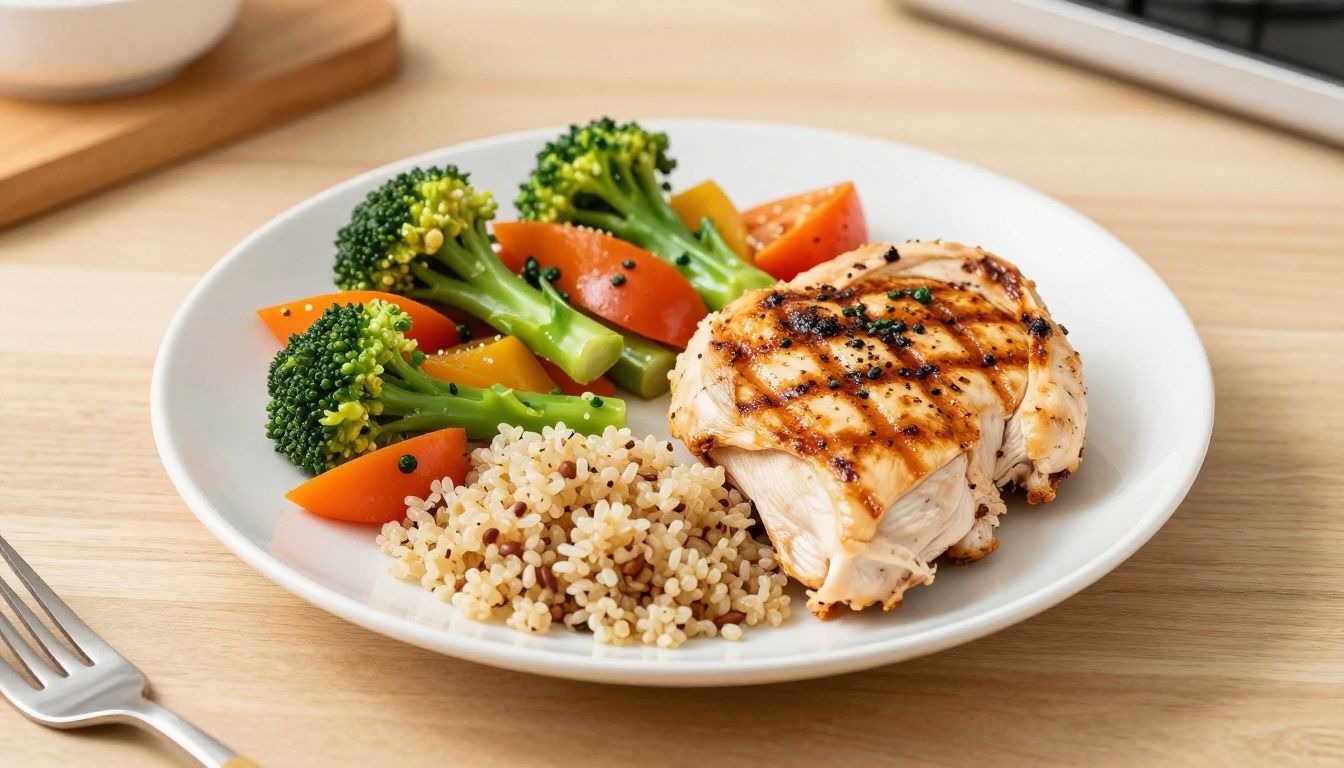
For lunch, try grilled chicken paired with steamed quinoa and zucchini or carrots. The key is to keep things simple—protein, a low-FODMAP grain, and a cooked vegetable. Dinner might look like baked white fish seasoned with fresh herbs and olive oil, served with baked sweet potato. If you need a snack, prioritize simple, one-ingredient foods like a firm banana or a small portion of grapes. By creating a weekly meal plan centered on these foundational building blocks, you reduce the psychological load of decision-making. Keep your pantry stocked with these safe staples so that you always have a fallback option when you’re busy or tired.
Common Mistakes and Long-Term Tips
A major pitfall for many is the “all-or-nothing” mentality. Beginners often try to eliminate every potential trigger food at once, leading to an extremely restrictive diet that becomes difficult to maintain and may even lead to nutritional deficiencies. Instead, focus on gradual habit stacking. Rather than removing, look to replace; for example, swap high-fructose fruits for lower-fructose alternatives during flare-up periods. Another common mistake is ignoring the environmental context of meals. Eating on the run, while stressed, or late at night often exacerbates symptoms regardless of how “clean” the food is.
For long-term success, remember that your gut needs time to adapt to new dietary inputs. Significant improvements often correlate with consistent, stable habits over several weeks. Don’t let a single “off” day derail your progress; use it as data for your journal instead of a reason to give up. Sustainability is the key. Aim for meals that feel nourishing rather than restrictive. By pairing a new, healthy habit with an existing routine—like taking five deep breaths before every meal—you anchor your progress in behavior rather than just willpower.
When to Speak With a Healthcare Professional
If you find that your symptoms persist despite dietary adjustments, or if you experience “red flag” warning signs, it is time to consult your doctor. These include unexplained weight loss, blood in your stool, nocturnal diarrhea, fever, or a family history of gastrointestinal diseases. Additionally, if you are planning to make significant dietary changes, especially if you have existing health conditions or are taking medications, guidance from a registered dietitian or gastroenterologist is invaluable. They can help you perform safe food challenges and ensure your nutritional needs are met while identifying the root causes of your discomfort.
Frequently Asked Questions
Are all vegetables safe for people with IBS?
No, not all vegetables are safe. While many are healthy, some high-fiber or gas-producing vegetables like broccoli, cabbage, or onions can trigger symptoms in sensitive individuals. Focusing on cooked, lower-FODMAP options like carrots, cucumber, or zucchini is often a more successful approach for beginners.
Can I eat fruit if I have IBS?
Yes, you can eat fruit, but it is important to choose wisely. Fruits high in fructose, such as apples or pears, may cause issues. Instead, prioritize IBS-friendly fruits like blueberries, strawberries, or kiwifruit, which are typically easier to digest for most people dealing with gut sensitivity.
How long should I follow a special diet before seeing results?
Most people see a noticeable improvement in symptoms within two to four weeks of consistently following a modified diet. However, gut health is highly individualized, and it may take longer for your microbiome to balance. Stay patient and continue keeping a food journal to track your progress.
Is dairy always a trigger for people with IBS?
Dairy is a common trigger because many people with IBS also have difficulty digesting lactose. You don’t necessarily have to avoid all dairy forever, but you may find success by choosing lactose-free options, hard cheeses, or plant-based alternatives to observe how your body reacts to different types of dairy products.
Does stress really make my IBS food triggers worse?
Absolutely. The gut and the brain are deeply connected through the gut-brain axis. Psychological stress can increase the sensitivity of your gut nerves and alter digestion, making you more prone to flare-ups even when you are eating foods that are typically considered safe for your digestive system.
Final Thoughts
Taking control of your nutrition journey with IBS is an empowering act of self-care. By understanding which IBS-friendly foods support your body and identifying the triggers that hinder your comfort, you can shift from a reactive state to one of steady, proactive wellness. Remember that your gut health is a lifelong conversation, not a race to a finish line. Focus on consistent, small steps, value the information your food journal provides, and always listen to your body’s unique feedback. With time, attention, and professional guidance when needed, you can cultivate a diet that provides both nourishment and peace of mind.
Related Articles
Best Foods for IBS: What to Eat for Better Digestion
Worst Foods for IBS: What to Avoid for Better Digestion
Low FODMAP Diet for IBS: A Beginner’s Guide