
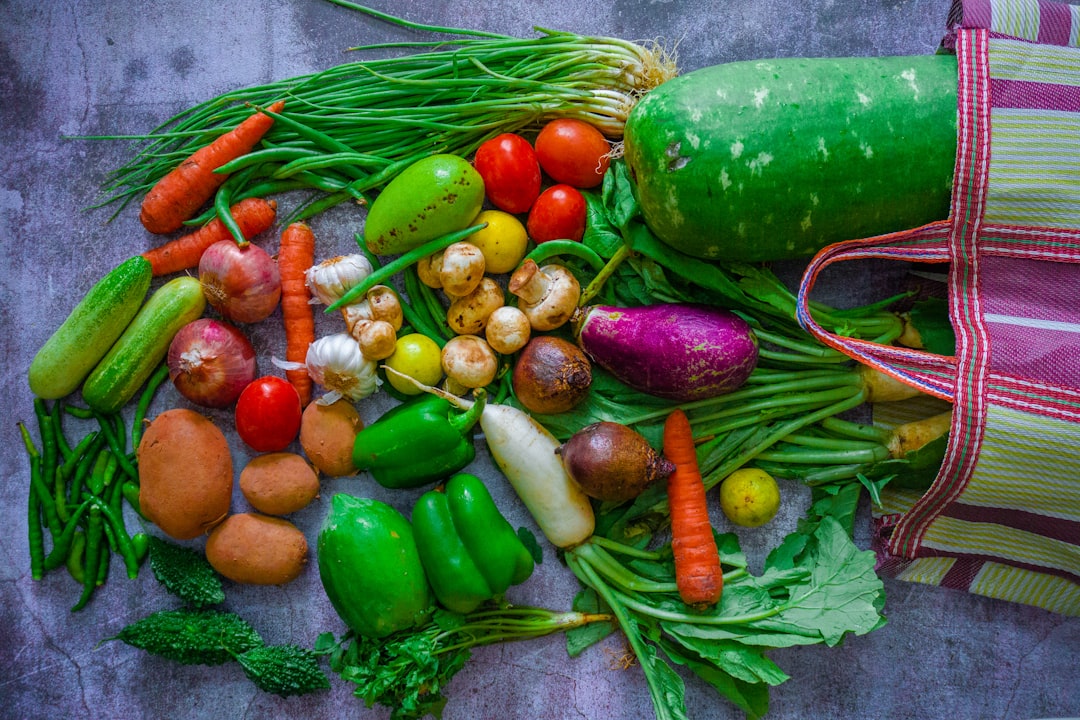
Gut health has become a major wellness topic because the gut does much more than move food through your body. Your digestive tract helps break down meals, absorb nutrients, support immune defenses, and communicate with the brain. If you have been dealing with bloating or irregular digestion for years, you already know how discouraging generic advice can feel. The good news is that understanding what gut health is gives you a practical place to start.
Think of your gut like a garden. Healthy gut bacteria are the plants you want to grow, and your daily habits act like the water, sunlight, and fertilizer. The honest answer is that gut health is not about being perfect. It is about building conditions that help beneficial microbes thrive while supporting steady digestive health over time.
What Is Gut Health?
What is gut health? In simple terms, it means your digestive system is working well and your gut microbiome is in a healthy balance. That includes comfortable digestion, regular bowel habits, good nutrient absorption, and an environment where beneficial microbes can do their jobs effectively.
Your digestive system starts at the mouth and continues through the esophagus, stomach, small intestine, and large intestine. Each part has a role. Food is broken down mechanically and chemically, nutrients are absorbed mainly in the small intestine, and the large intestine helps absorb water and process waste. This system is also home to trillions of microorganisms that influence how smoothly digestion works.
Those microorganisms make up the gut microbiome. This community includes bacteria, viruses, fungi, and other microbes that live mostly in the intestines. According to the National Center for Complementary and Integrative Health, many of these microorganisms are helpful and naturally live in the body. Some help digest food, produce certain vitamins, and support normal body functions.
A healthy gut is not about having only “good” bacteria and none of the less helpful ones. It is about balance. When beneficial bacteria have the support they need, the gut environment tends to be more resilient. When that balance is disrupted by diet, stress, illness, or medication use, some people notice more digestive discomfort or changes in how they feel day to day.
Why Does Gut Health Matter?
Gut health matters because it supports far more than digestion alone. A well-supported gut can help with food breakdown, nutrient absorption, immune function, energy, and the ongoing communication between your gut and brain. That is why gut health benefits often show up both inside and outside the digestive tract.
Digestion is the most obvious reason. Healthy gut bacteria help break down parts of food that your body cannot fully process on its own. This is one reason fiber matters so much. As covered in our 7-day gut health diet plan for beginners, the foods you eat every day help shape the environment inside your gut.
Nutrient absorption is another key piece. Even if you eat a balanced diet, your body still needs to digest and absorb those nutrients effectively. A supported digestive system helps your body make better use of protein, fats, carbohydrates, vitamins, minerals, and water.
Your gut also plays a central role in immune function. A large portion of the immune system is associated with the gastrointestinal tract, which is one reason researchers keep studying the gut microbiome and host immunity. When people talk about the gut influencing the whole body, this is one of the most important connections they mean.
Energy and overall wellness can also reflect what is happening in the gut. If digestion feels uncomfortable after every meal, it becomes harder to feel your best. Some people notice that when their digestive health improves, meals feel easier, bowel habits become more predictable, and daily routines feel less draining.
Then there is the gut-brain connection. The gut and brain constantly communicate through nerves, hormones, and chemical signals. This does not mean every mood issue starts in the gut, but it does explain why digestive discomfort and stress often seem to feed into each other. The honest answer is that it depends on your body’s unique signals, which is why simple, consistent habits matter more than chasing a single quick fix.
The Gut Microbiome Explained
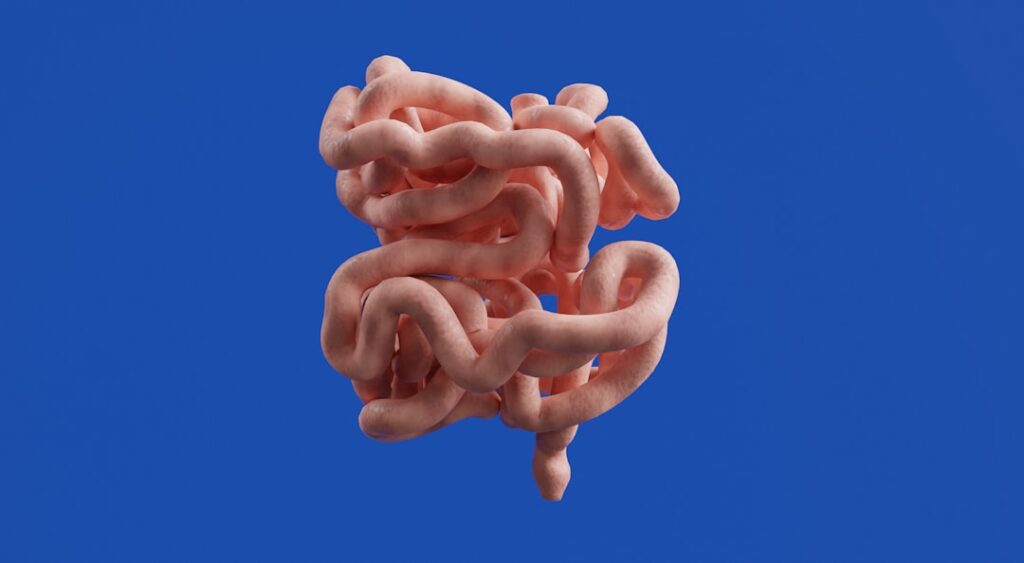
The gut microbiome is the collection of microorganisms living in your digestive tract, especially the large intestine. These microbes include different strains of bacteria along with fungi, viruses, and other tiny organisms. They are not all doing the same job, which is why diversity matters.
Think of the microbiome like a garden with many different plants. A more varied garden is usually more stable than one with only a single species. In a similar way, a diverse microbiome is generally considered a positive sign because different microbes help with different tasks, from breaking down fiber to producing compounds that support the gut environment.
Diet and lifestyle strongly influence this microbial community. Harvard Health notes that what you eat has a major effect on your unique mix of gut microbes, and fiber-rich plus fermented foods can help support a healthier microbiome. That is why conversations about foods for gut health usually focus on variety, plant intake, and consistency instead of one “miracle” food.
Highly processed eating patterns, low fiber intake, poor sleep, frequent stress, and some medications can all affect the microbiome. That does not mean one late night or one takeout meal ruins your progress. Consistency matters far more than perfection. Start with one meal, one habit, one change at a time.
Signs Your Gut May Need More Support
Your body often gives simple clues when digestion needs more support. Common signs include bloating, gas, irregular digestion, changes in bowel habits, food sensitivities, and low energy. These signs can happen for many reasons, but they are often the signals that push people to ask, “What is gut health in the first place?”
Bloating after meals can make healthy eating feel frustrating. Gas, constipation, diarrhea, or unpredictable bathroom patterns can also suggest that your current routine is not working well for your body. Some people notice certain foods seem harder to tolerate than they used to, while others simply feel heavy, sluggish, or uncomfortable more often than they want.
If these issues sound familiar, our guide on how long it takes to fix your gut health can help set realistic expectations. Gut support is usually a gradual process, not an overnight reset.
Factors That Affect Gut Health
Many everyday factors influence gut health, and most of them are within your control over time. The biggest ones include diet quality, fiber intake, probiotic and prebiotic foods, stress, sleep, physical activity, and antibiotic use.
Diet quality sets the tone. Meals built around vegetables, fruits, beans, legumes, whole grains, nuts, and seeds give gut microbes more of the material they like to work with. Fiber is especially important because it acts as fuel for beneficial bacteria. Prebiotic foods, which include foods like onions, garlic, oats, bananas, and asparagus, help feed those bacteria.
Probiotic foods add live microorganisms to the diet. Yogurt with live cultures, kefir, sauerkraut, kimchi, and other fermented foods are common examples. If you feel confused about the difference, our article on prebiotics vs. probiotics breaks it down in a beginner-friendly way.
Stress and sleep also matter more than many people realize. When stress stays high and sleep stays poor, digestion often feels the impact. Physical activity can support regularity and overall wellness, while antibiotics may temporarily disrupt the balance of gut bacteria. Sometimes antibiotics are necessary, but they are one reason people become more intentional about rebuilding routines that support digestive health afterward.
How To Support a Healthy Gut Naturally

If you want to improve gut health naturally, focus on habits you can repeat. The most effective approach is usually simple: eat more fiber-rich foods, include fermented foods, add prebiotic foods, drink enough water, manage stress, exercise regularly, and prioritize sleep.
Start by adding fiber gradually. This is important because suddenly jumping from a low-fiber diet to a very high-fiber one can make bloating worse at first. Instead of cutting foods out, focus on crowding them out by adding more of what your gut loves. One extra serving of vegetables at dinner or one serving of beans a few times a week is a practical beginning.
Fermented foods can also be useful. Yogurt with live cultures and kefir are approachable options for beginners, while sauerkraut, kimchi, and other fermented vegetables add both flavor and variety. Water supports digestion too, especially as you raise fiber intake. If fiber is the material, water helps the system move more comfortably.
Stress management does not have to mean a perfect wellness routine. A short walk after meals, slower eating, breathing exercises, and better boundaries around work can all help. Regular movement and better sleep hygiene often improve how your body handles food, energy, and daily digestive patterns.
If you are ready to add targeted support to your routine, Healthieme can help. You can explore the Healthieme Gut Health Supplements page to compare options built around real digestive goals rather than hype.
Best Foods for Gut Health
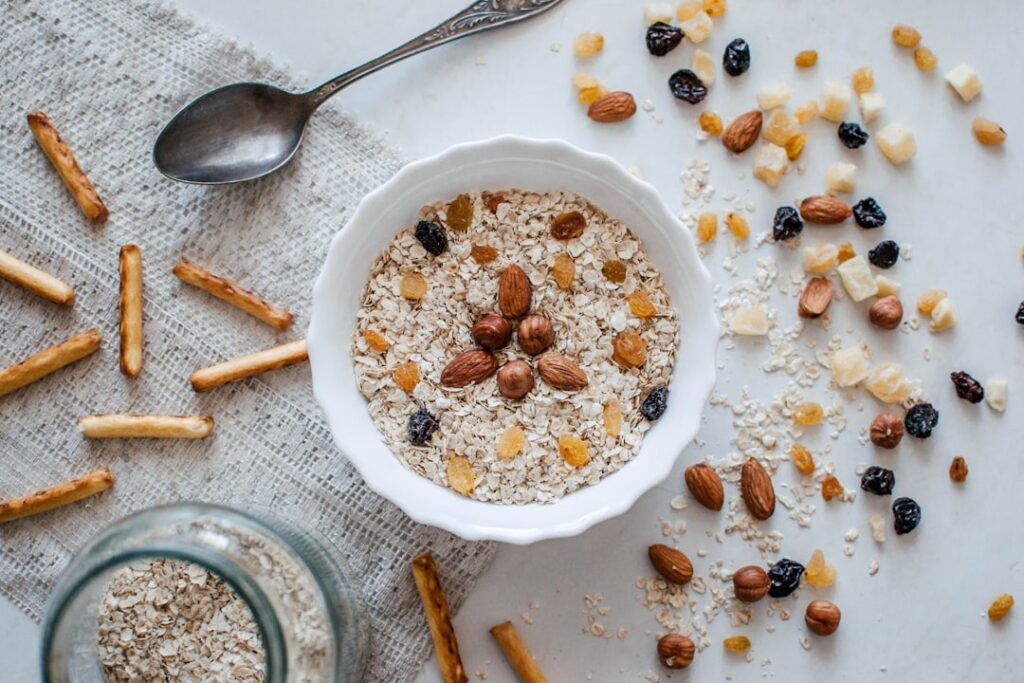
The best foods for gut health are usually whole, fiber-rich, and varied. Vegetables, fruits, beans and legumes, whole grains, yogurt with live cultures, kefir, fermented foods, nuts, and seeds all help create a stronger foundation for healthy gut bacteria.
Vegetables and fruits provide fiber along with plant compounds that support overall wellness. Beans and legumes offer both fiber and staying power, which makes them useful for balanced meals. Whole grains such as oats, brown rice, quinoa, and barley can also support the gut microbiome when they replace more heavily refined choices.
Yogurt with live cultures and kefir are popular because they are familiar and easy to include at breakfast or as a snack. Fermented foods like kimchi, sauerkraut, and miso add variety. Nuts and seeds bring fiber, texture, and healthy fats. You do not need to eat every one of these foods daily. Variety over time is what matters most.
Can Gut Health Supplements Help?
Gut health supplements can help some people, but they work best as support for a strong routine, not as a replacement for it. Common options include probiotic supplements, prebiotic fiber supplements, and digestive enzymes, each with a different role.
Probiotic supplements are designed to provide live microorganisms, often from groups such as Lactobacillus or Bifidobacterium. Prebiotic fiber supplements aim to feed beneficial bacteria already living in the gut. Digestive enzymes are a separate category that may help some people break down certain foods more comfortably. The key is matching the tool to the goal instead of assuming every supplement does the same thing.
Supplements can be useful when your diet is a work in progress, when travel disrupts routines, or when you want more targeted digestive support. Still, healthy habits remain the foundation. Food, hydration, sleep, and stress management are the daily signals your gut responds to most.
Building a Long-Term Gut Health Routine
A long-term gut health routine should feel realistic, not extreme. The simplest beginner plan is to increase fiber gradually, eat a wider variety of plant foods, and stay consistent with small lifestyle changes that support your gut microbiome over time.
You do not need to overhaul your entire life this week. Start with one fiber-rich food at your next meal and notice how your body responds. Add another plant food next week. Swap one refined snack for fruit and nuts. Build a short walk into your day. These small steps create the kind of repeatable rhythm that helps improve gut health naturally.
If you are experiencing ongoing bloating, irregular digestion, or confusion about where to start, Healthieme can help you build a practical plan that fits your body and your schedule.