
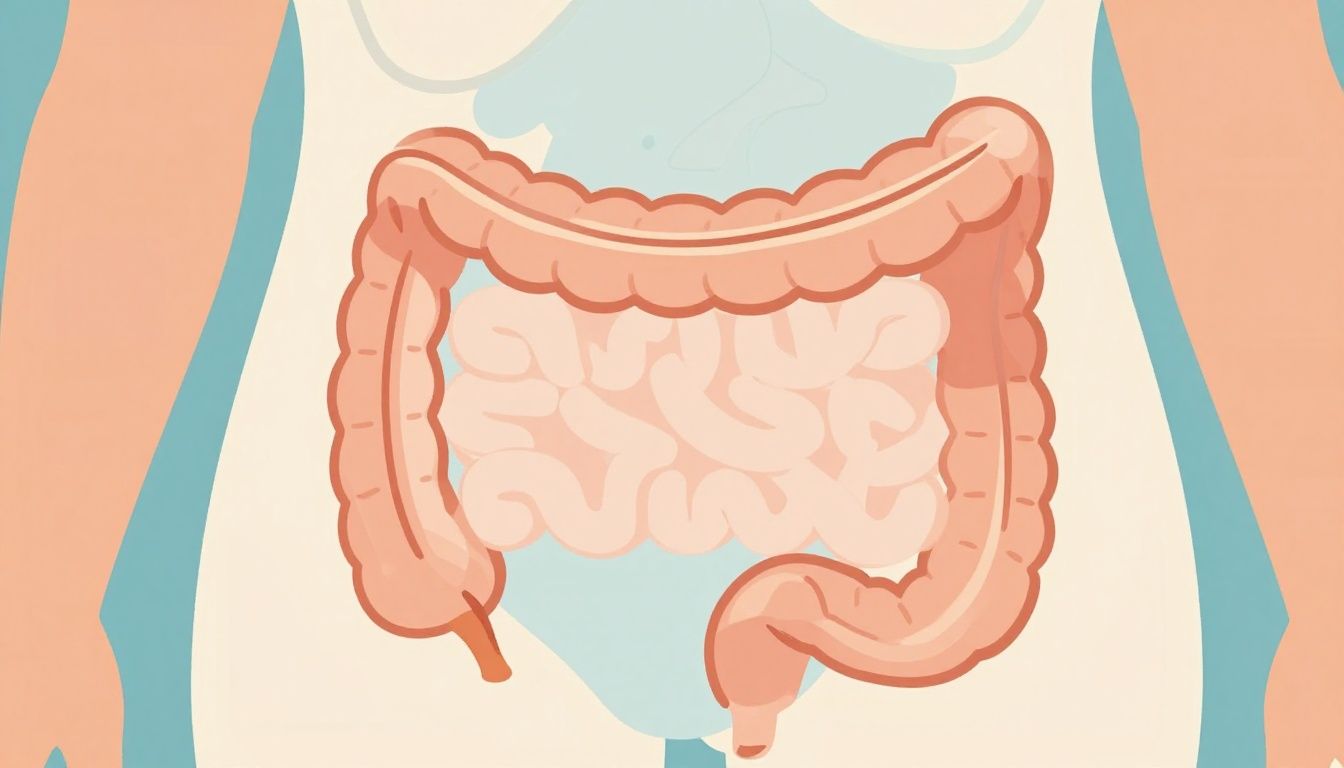
If you struggle with chronic bloating, gas, cramp-like pain, and unpredictable bowel habits, you are not alone. Many people searching for answers online find themselves comparing IBS vs. leaky gut to explain their discomfort. These terms often appear together in wellness articles, leading to immense confusion about what they actually mean. While they seem to describe the exact same issues, they represent very different concepts in the scientific community.
Learning the differences between these two terms is your first step toward real relief. In this comprehensive guide, we will clear up the confusion surrounding irritable bowel syndrome and increased intestinal permeability. You will learn how doctors approach these issues, how their symptoms overlap, and what evidence-based steps you can take today to support your long-term digestive wellness.
Key Takeaways
- Irritable bowel syndrome (IBS) is a recognized functional disorder of gut-brain interaction.
- Leaky gut syndrome is not a standard medical diagnosis, though increased intestinal permeability is a real biological phenomenon.
- The two conditions share overlapping symptoms, such as bloating, abdominal gas, and altered bowel habits.
- Doctors diagnose IBS through symptom criteria and medical history, rather than a single definitive clinical test.
- Treatment for both issues focuses on identifying food triggers, managing stress, eating a balanced diet, and addressing underlying medical conditions.
Understanding IBS vs Leaky Gut
To understand the comparison of IBS vs leaky gut, we must first look at each concept individually. Irritable bowel syndrome is a common gastrointestinal disorder that affects the large intestine. It is classified as a disorder of gut-brain interaction, meaning the brain and the gut do not communicate properly. This miscommunication makes the digestive tract highly sensitive, altering how muscles contract and move food through your system.
In contrast, “leaky gut syndrome” is a term often used in alternative medicine circles to describe a wide range of chronic, whole-body symptoms. However, it is important to know that leaky gut is not currently recognized as a standard medical diagnosis. Instead, researchers use the scientific term “increased intestinal permeability” to describe a specific biological finding where the cellular barriers of the gut wall become less effective.
Scientific evidence does not support the popular online claim that a leaky gut causes chronic fatigue, brain fog, autoimmune diseases, skin conditions, or systemic joint pain. While researchers continue to study how gut barrier health relates to overall well-being, doctors do not diagnose patients with leaky gut syndrome from general symptoms alone.
Why IBS vs Leaky Gut Matters
Understanding the distinction between these two concepts is essential for receiving appropriate, safe healthcare. A misdiagnosis can lead to unnecessary anxiety, expensive and unproven testing, or overly restrictive diets that cause nutritional deficiencies. Recognizing that IBS Symptoms Explained: Causes, Signs & Treatment Options represent a distinct, recognized medical condition allows you to work productively with your doctor to find proven, personalized solutions.
It is also helpful to understand that while increased intestinal permeability is a real physiological process, it is usually a symptom or byproduct of other established conditions. Physical damage to the gut lining occurs in conditions like celiac disease, Crohn’s disease, or chronic infections, rather than existing as a standalone, mysterious illness. By focusing on evidence-based concepts, you can protect your digestive health and avoid falling prey to unscientific marketing trends.
Key Factors to Consider
To fully appreciate the differences between IBS and intestinal permeability, we must examine the specific mechanics of how they affect your digestive status.
The Nature of IBS
IBS is characterized by abdominal pain, cramping, bloating, gas, and significant changes in your bowel movements. Some people with IBS experience frequent diarrhea, while others struggle with severe constipation. It is common to experience a fluctuating mix of both. This pattern helps doctors classify the condition into four distinct types:
- IBS-C: Primarily associated with constipation, hard stools, and straining.
- IBS-D: Primarily characterized by frequent diarrhea, loose stools, and sudden urgency.
- IBS-M: A mixed pattern where both diarrhea and constipation occur regularly.
- IBS-U: Unclassified IBS, where symptoms meet the diagnostic criteria but do not fit the other patterns well.
Importantly, IBS does not cause visible structural damage, inflammation, or tissue loss in your digestive tract. Even during a flare-up, a doctor examining the colon will find no physical anomalies or permanent tissue destruction.
The Science of Intestinal Permeability
To understand the biological concept of a leaky gut, we must look at how the gut lining works. The inner surface of your intestines features a single layer of specialized epithelial cells. This delicate barrier acts as a highly selective gatekeeper. It must allow essential water and nutrients to pass through into your bloodstream while blocking harmful microbes, undigested food particles, and environmental toxins.
When the tight junctions holding these barrier cells close together become compromised, we observe increased intestinal permeability. You can find a deeper explanation of this mechanism by reading What Is Leaky Gut Syndrome? The scientific consensus is that while this permeability can be measured in lab settings, it is typically a secondary effect of known inflammation, poor diet, or chronic stress, rather than an independent diagnosis.
| Feature | Irritable Bowel Syndrome (IBS) | Increased Intestinal Permeability (“Leaky Gut”) |
|---|---|---|
| Medical Recognition | Fully recognized medical disorder | Permeability is recognized; “syndrome” is not |
| Primary Process | Dysfunctional gut-brain communication | Weakened tight junctions in epithelial barrier |
| Common Symptoms | Cramping, pain, gas, diarrhea, constipation | Bloating, gas, overlapping digestive distress |
| Visible Damage | None in standard colonoscopy | Cellular-level spacing, no large visible wounds |
| Diagnostic Approach | Rome IV symptom criteria, history | Addressing underlying primary conditions |
| Available Testing | Rule-out tests, clinical evaluation | Research assays only; no standard clinical test |
| Treatment Focus | Diet adjustments, stress care, lifestyle | Treating primary disease, lifestyle support |
| Scientific Evidence | Exceptionally strong and well-documented | Strong biological basis, but limited clinical application |
Evidence-Based Strategies and Practical Steps
If you want to support your digestive health, focus on lifestyle habits that science supports. Beginners should focus on identifying individual food triggers. Keeping a detailed food and symptom journal can help you spot patterns over time. You should also focus on maintaining stable hydration, eating regular meals, and incorporating gentle daily physical activity.
For those diagnosed with IBS, a structured Low FODMAP Diet for IBS: A Beginner’s Guide can be highly beneficial. This approach involves temporarily reducing certain fermentable carbohydrates that feed gas-producing gut bacteria. However, this is not a permanent way of eating. It must be used as a temporary restriction phase followed by a systematic, step-by-step reintroduction to identify your personal tolerance levels safely.
To address general intestinal barrier concerns, your main goal should be identifying and treating any established underlying medical conditions. According to the Cleveland Clinic, for leaky gut syndrome, managing chronic inflammatory diseases, reducing alcohol, sleeping well, and eating a fiber-rich diet are the most effective ways to support your natural intestinal barrier. Do not rely on expensive detox cleanses, unproven powders, or bone broth to repair your gut lining.
Practical Examples for Beginners
When evaluating choices for your gut health, actual daily application matters most. Consider a simple daily routine designed to calm a sensitive digestive system. Instead of drinking excessive caffeine on an empty stomach, start your morning with a glass of water and a balanced, easy-to-digest breakfast. Incorporate moderate, low-impact exercise, such as a twenty-minute walk after lunch, to naturalize your gut’s muscle contractions and lower physical stress.
Daily Gut-Support Checklist:
[ ] Stay hydrated with consistent water intake throughout the day
[ ] Dedicate 15 minutes to progressive muscle relaxation or deep breathing
[ ] Keep a journal of meals, stool quality, and stress levels
[ ] Avoid eating late-night heavy meals that disrupt sleep
[ ] Focus on whole, minimally processed foods at every meal
Focusing on gentle, nourishing habits can help calm both gut-brain communication issues and intestinal barrier stress. While some people consider taking probiotics to ease their abdominal distress, keep in mind that effects vary. Probiotics are not a guaranteed cure, but choosing the right strain may help support your overall microbiome. Over time, these small habits can lead to lasting, sustainable improvements in your daily comfort.
Common Mistakes and Long-Term Tips
One of the most common mistakes beginners make is assuming that IBS and leaky gut are exactly the same condition. This confusion often leads people to try extreme elimination diets. Removing entire food groups without professional guidance can starve beneficial gut microbes and cause nutritional deficiencies over time. Finding a balance is far more effective than trying to completely “sterilize” your digestive tract.
Another frequent mistake is relying on expensive, unproven laboratory tests sold online. Food-sensitivity panels and commercial intestinal permeability kits lack standardization and clinical validation. Do not waste money on products that promise to instantly seal your gut. Intestinal health is built through daily, sustainable lifestyle changes, not overnight capsule solutions.
Remember that bloating alone does not prove you have a leaky gut. Bloating is a common symptom of regular food fermentation, stress, and swallowing air. Focus on building long-term habits, such as eating slowly, managing daily stressors, and eating a wide variety of fiber sources. This gradual, balanced approach allows your digestive system to adapt and find its natural equilibrium safely.
When to Speak With a Healthcare Professional
While mild bloating and occasional gas are common, certain warning signs require professional medical evaluation. You should not try to self-diagnose IBS or leaky gut if you experience severe symptoms. Schedule an appointment with a qualified doctor if you notice blood in your stool, dark tarry stools, unexplained weight loss, or persistent fevers.
Additionally, constant vomiting, severe abdominal pain, iron-deficiency anemia, or symptoms that wake you up from a sound sleep require immediate medical attention. Your doctor will perform tests to rule out serious conditions like celiac disease, inflammatory bowel disease, or chronic infections before making a safe diagnosis.
Frequently Asked Questions
Can a colonoscopy diagnose leaky gut syndrome?
No. A colonoscopy cannot diagnose leaky gut syndrome because it is not a recognized medical disease. A colonoscopy evaluates the physical structure of your colon to find issues like polyps or inflammation, but it cannot measure microscopic spacing between your gut lining cells.
Is IBS the same as inflammatory bowel disease (IBD)?
No, IBS is a functional gut disorder characterized by abnormal gut-brain communication without physical tissue damage. Inflammatory bowel disease, such as Crohn’s disease or ulcerative colitis, causes chronic white-blood-cell infiltration, visible ulcers, and long-term structural damage to the digestive tract.
Should everyone with IBS avoid gluten entirely?
No. Gluten avoidance is mandatory for individuals diagnosed with celiac disease, which is a structural autoimmune condition. However, not everyone with IBS is sensitive to gluten, and many can tolerate moderate amounts in their daily diets without experiencing symptoms or intestinal damage.
Do probiotics cure increased intestinal permeability?
No. Probiotics are not a cure for increased intestinal permeability or IBS. Some strains can support overall digestion and ease specific IBS symptoms, but they cannot permanently seal the intestinal lining or replace the benefits of a balanced diet and healthy sleep habits.
Can stress make both IBS and gut barrier function worse?
Yes. Chronic stress releases hormones that can accelerate digestion, increase gut sensitivity, and alter gut-brain communication. Scientific research also shows that high stress levels can temporarily weaken the tight junctions in your intestinal lining, which increases permeability.
Final Thoughts
Navigating the claims surrounding IBS vs leaky gut can feel overwhelming, but focusing on proven science will help you find clarity and relief. Remember that while IBS is a well-defined functional disorder, leaky gut refers to a cellular barrier process that is usually triggered by other primary health conditions. Always prioritize eating a balanced diet, sleeping well, managing physical stress levels, and working closely with a medical professional. By choosing a step-by-step, sustainable approach over quick-fix solutions, you can successfully support your digestive system and cultivate long-term wellness.