
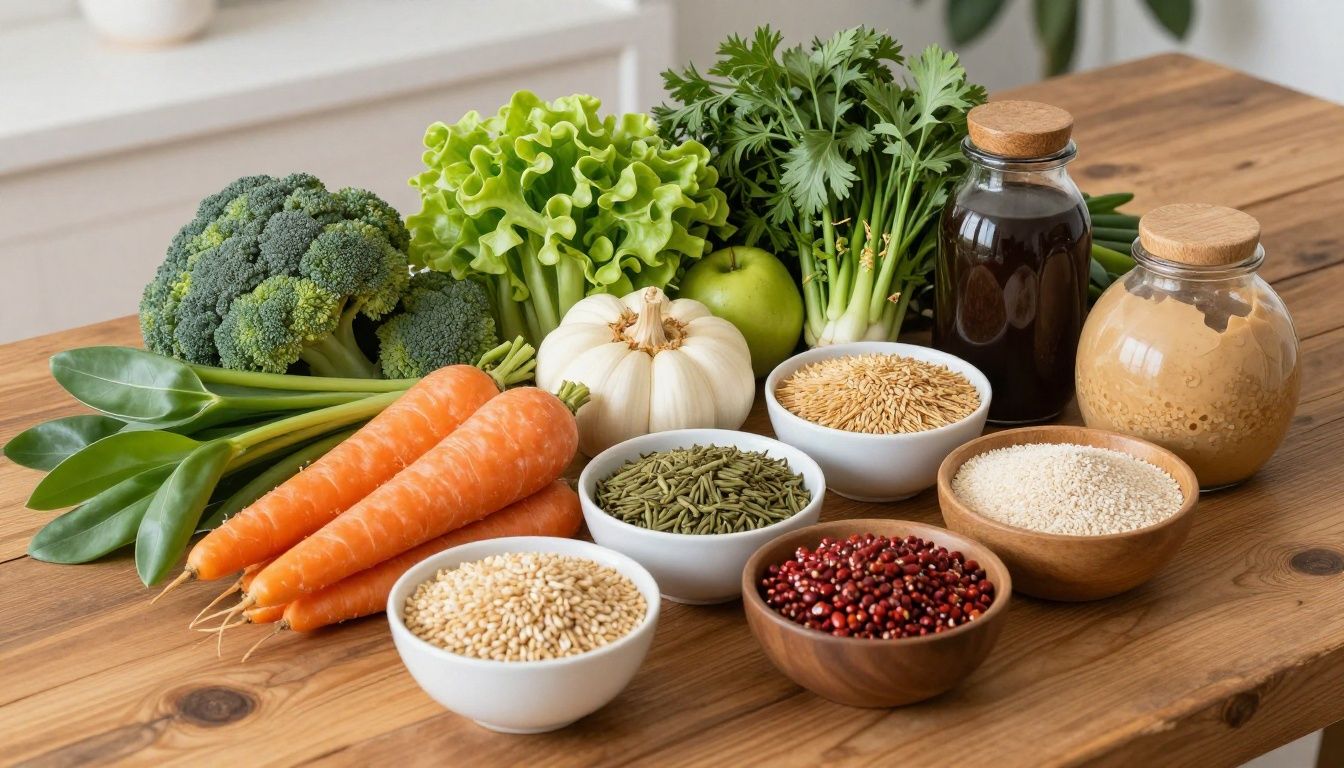
Maintaining a healthy digestive system is a foundational pillar of overall wellness, yet many individuals find the topic overwhelming. By focusing on simple, evidence-based gut health tips, you can begin to support your body’s complex internal ecosystem without needing a degree in biology. Your digestive tract is home to trillions of microorganisms collectively known as the gut microbiome, and the balance of these bacteria influences everything from your immune system to your daily energy levels. This article is designed for beginners who want to move beyond the confusion and start implementing practical, everyday habits that promote a thriving, diverse, and balanced gut. You will learn the core principles of digestive support, explore how nutrition and lifestyle intersect with microbial health, and discover how to build a sustainable routine that works for your unique lifestyle. By focusing on small, consistent progress rather than perfection, you can cultivate a foundation for better health that will serve you for years to come.
Key Takeaways
- Consistency in your dietary habits is more effective for microbiome health than participating in temporary, restrictive cleanses or extreme diets.
- Increasing your daily fiber intake is one of the most powerful steps you can take to foster the growth of beneficial bacteria.
- Managing chronic stress is essential, as the gut and brain are inextricably linked, and emotional tension can directly alter your digestive function.
- Prioritize a wide variety of plant-based foods to encourage microbial diversity, which is a hallmark of a robust and resilient internal ecosystem.
- Always consult a qualified healthcare professional before starting new supplement regimens or if you experience persistent digestive discomfort that affects your quality of life.
Understanding gut health tips
When we discuss gut health, we are essentially talking about the health of your digestive system and all the components within it, including the stomach, small intestine, and the vast, bustling world of the large intestine. The gut microbiome is the collection of bacteria, fungi, and viruses that inhabit this space. Rather than being something to fear, these microorganisms are essential partners that help you digest food, synthesize vitamins, and train your immune system to distinguish between friend and foe.
For beginners, the most important takeaway is that gut health is not just about avoiding digestive issues like bloating or gas; it is about creating an environment where your beneficial microbes can flourish. When these microbial communities are diverse and balanced, they provide a protective barrier that supports your overall physiology. Conversely, when the environment is inhospitable—often due to poor diet, lack of exercise, or excessive stress—the balance can shift, potentially leading to inflammation or other health concerns. By implementing foundational gut health tips, you are essentially acting as a steward for this internal ecosystem, providing the resources your microbes need to thrive while minimizing stressors that can disrupt their complex, delicate work.
Why gut health tips matter
Your gut is often referred to as your second brain, and for good reason—it houses a local nervous system that communicates constantly with the brain. If you have ever felt a knot in your stomach when nervous, you have experienced the gut-brain connection firsthand. When your digestive environment is off-balance, it does not just stay in your belly; it can impact your mood, your focus, and your general vitality. Understanding What Is Gut Health and Why It Matters More Than You Think helps clarify why these internal systems are so central to your daily comfort.
Healthy digestion allows your body to efficiently absorb the nutrients required for repair and energy. If your microbiome is compromised, even the healthiest diet may not yield its full potential benefits because your body struggles to break down, assimilate, and utilize the vitamins and minerals you consume. Furthermore, because a significant portion of your immune cells reside in the gut, a balanced microbiome acts as a frontline defense against potential threats. By prioritizing digestive wellness, you are investing in your mental clarity, physical stamina, and long-term resilience, creating a domino effect of benefits that ripple across your entire well-being.
Key Factors to Consider
Several variables influence the state of your digestive health, ranging from environmental exposures to daily choices you make at the dinner table. Understanding these factors allows you to make informed adjustments rather than guessing which lifestyle changes will have the most impact.
The Impact of Diet on Microbial Diversity
The foods you eat act as fuel for your bacteria. While some bacteria thrive on complex carbohydrates like fiber, others might flourish on high-sugar diets, which can create an environment that is less than ideal for long-term health. A diet high in processed foods often lacks the prebiotic fiber necessary to feed beneficial microbes, while also potentially promoting the growth of opportunistic bacteria.
Lifestyle Influences Beyond Food
It is easy to focus exclusively on nutrition, but sleep, hydration, and movement are equally critical. Sleep deprivation has been shown in various studies to alter the composition of the gut microbiome, while regular physical activity can increase the production of short-chain fatty acids, which nourish the cells of your intestinal lining.
The Role of Environmental Stressors
Persistent environmental stress and anxiety can slow down digestive motility and alter the pH levels in your stomach. Since specialized microbes require specific conditions to survive, maintaining a relatively low-stress lifestyle is not just a mental health benefit; it is a direct contributor to your physical digestive function.
Evidence-Based Strategies and Practical Steps
Transitioning to a gut-friendly lifestyle does not require an overhaul of your life in a single day. Instead, it is better to integrate How to Improve Gut Health Naturally (Step-by-Step) into your routine as a sustainable shift. Start by increasing your fiber intake gradually. Fiber acts as a prebiotic, meaning it feeds the good bacteria in your colon, allowing them to produce health-promoting compounds like butyrate. Focus on whole grains, legumes, fruits, and vegetables, which are the gold standard for providing a diverse array of fibers.
According to the Harvard T.H. Chan School of Public Health — The Microbiome, the composition of your gut microbiome is heavily shaped by your consistent dietary patterns. This means that focusing on variety—aiming for thirty different plant-based foods per week—can encourage a broader range of microbial species. Beyond fiber, consider the hydration factor. Drinking enough water supports the digestive tract in processing solid foods and keeping things moving through the system effectively, which prevents stagnation and uncomfortable bloating. Finally, keep a food diary to note how your body responds to different meals. This simple exercise can help you identify unique triggers or highlight which types of healthy foods make you feel your most energized, giving you data-driven insights into your own biology.
Practical Examples for Beginners
Incorporating these changes can be made easier with a concrete plan. Use our guide on the Best Foods for Gut Health (Eat This Daily) to populate your grocery list. A simple way to start is the “Habit Stacking” method. If you already have a morning coffee or tea, try adding a tablespoon of ground flaxseeds or chia seeds to your breakfast. If you normally reach for a bag of chips in the afternoon, swap it for a piece of fruit paired with a small serving of nuts.
Consider this sample daily plan: Start your day with oatmeal topped with berries and walnuts, which provides a mix of fiber and antioxidants. For lunch, create a large bowl with leafy greens, chickpeas, and a drizzle of olive oil, ensuring you get both soluble and insoluble fiber. Dinner could include a portion of lean protein, like grilled fish or lentils, alongside steamed cruciferous vegetables like broccoli or cauliflower. If you want a snack, opt for fermented options like a small cup of plain yogurt or a serving of sauerkraut/kimchi, which provide beneficial live cultures (probiotics) to supplement your diet. Remember that these are just examples, and the best plan is one that you enjoy and can maintain even when life gets busy.
Common Mistakes and Long-Term Tips
The most common mistake beginners make is attempting to change too much too quickly. Suddenly increasing your fiber intake by ten grams in one day will almost certainly lead to gas and discomfort, leading many to think fiber is to blame. Instead, increase your intake slowly over several weeks to allow your gut bacteria to adjust. Another mistake to avoid is relying on restrictive diets that eliminate entire food groups without a medical reason. While some people may have sensitivities that require specific adjustments, unnecessarily cutting out carbohydrates or healthy fats can inadvertently starve the very microbes you are trying to nourish.
Long-term success comes from the mindset of “adding in” rather than “taking away.” Focus on how many colorful vegetables you can add to your plate. When you are full of nutritious, fiber-rich, and fermented foods, you will naturally have less room for the processed foods that detract from your progress. Be patient. Your microbiome is a robust system, but it takes time to shift. Consistency over consistency is the secret to enduring results that you can feel in your day-to-day life.
When to Speak With a Healthcare Professional
While lifestyle habits are excellent for proactive health, they are not a replacement for medical diagnosis or treatment. If you experience persistent digestive pain, unexplained weight loss, blood in your stool, recurring nausea, or drastic changes in bowel habits, please consult with your doctor. These symptoms can sometimes indicate underlying conditions that require specialized medical attention beyond dietary adjustments. Additionally, if you have a history of chronic digestive disease or are starting new supplements while on medication, a qualified healthcare professional can ensure your plan is safe and effective for your specific health history. Listen to your body, and do not hesitate to seek help when needed.
Frequently Asked Questions
How long does it take for gut health to improve?
Because the microbiome is a living ecosystem that adapts to your environment and diet, changes often take time. Some people notice improvements in digestion within a couple of weeks, but significant shifts in the microbial population usually take several months of consistent, high-fiber, diverse dietary habits to fully manifest.
Do I need to take a daily probiotic supplement?
Not necessarily. While high-quality probiotic supplements can be helpful for some individuals, most health professionals recommend prioritizing food-based sources of good bacteria first. Foods like yogurt, kefir, sauerkraut, and kimchee provide a diverse range of beneficial microbes and the necessary nutrients to keep those microbes alive and thriving.
Is bloating always a sign of poor gut health?
Occasional bloating can be a normal part of digestion, especially after eating a large or fibrous meal. However, if bloating is frequent, painful, or accompanies other symptoms like persistent diarrhea or constipation, it may be a sign that your digestive system is struggling to process certain foods or needs attention.
Can stress actually cause digestive problems?
Yes, stress has a profound impact on the gut. The enteric nervous system in your digestive tract is highly sensitive to cortisol and other stress hormones. These can alter the rate at which food moves through your system, change the composition of your bacteria, and increase intestinal sensitivity.
What are the best foods for a healthy gut?
Focus on plant-based diversity. Foods like onions, garlic, leeks, and bananas are excellent prebiotics. Fermented foods like yogurt, miso, and kefir provide probiotics. Broadly, a diet centered around whole grains, legumes, seeds, nuts, and a wide array of colorful vegetables will provide everything your gut needs for optimal performance.
Final Thoughts
Improving your digestive health is one of the most rewarding journeys you can undertake. By viewing your gut not as a source of problems, but as a vibrant, essential part of your body that thrives on nourishment, you can shift from a reactive mindset to a proactive one. Remember that every small decision counts—whether it is adding an extra serving of vegetables to your dinner, drinking more water throughout the day, or simply taking time to breathe during a meal. Focus on consistency, be patient with your own progress, and listen to the feedback your body provides. You are building the foundation for a healthier, more vibrant version of yourself one bite at a time.