
Feeling consistently bloated after eating is a common digestive struggle that can transform a pleasant meal into an uncomfortable experience. Whether you notice sudden tightness, visible distension, or persistent gas, feeling bloated after eating is often your body’s signal that your digestive system is struggling to process the food or beverages you just consumed. By understanding the underlying mechanics of digestion and identifying potential triggers, you can take control of your comfort levels and improve your gut health. In this guide, we will explore the common reasons behind post-meal discomfort, effective evidence-based strategies to manage these symptoms, and how to create a more supportive environment for your digestion through gentle, sustainable lifestyle habits.
Key Takeaways
- Bloating is often caused by swallowed air, the fermentation of fibers by gut bacteria, or sensitivities to certain food groups.
- Eating too quickly and failing to chew food thoroughly are significant behavioral contributors to immediate post-meal fullness.
- Maintaining a balanced gut microbiome is essential, as beneficial bacteria help break down food properly without excessive gas production.
- Focusing on consistent lifestyle habits, such as mindful eating and fiber management, is more effective than restrictive elimination diets.
- Persistent or severe bloating should always be discussed with a healthcare professional to rule out underlying medical conditions.
Understanding Bloated After Eating
Bloating, in the context of your digestive health, generally refers to a sensation of fullness or a physical distension in the abdominal area. This tightness usually occurs after eating or drinking, though the duration and intensity can vary significantly from person to person. At its simplest level, bloating is often the result of gas accumulation within the gastrointestinal tract, which then places pressure on the abdominal walls. Understanding what happens during digestion is critical to identifying why you feel this way. When you consume food, your stomach acids and various enzymes begin the process of breaking down nutrients. Once food moves into the small and large intestines, your gut microbiome—a complex ecosystem of bacteria—further ferment these substances.
The Role of Gassiness and Distension
It is important to differentiate between gas accumulation and physical distension. While we often use these terms interchangeably, they describe slightly different aspects of the same issue. Gas accumulation is the literal presence of air or fermentation byproduct in the gut, while distension refers to the actual physical expansion or puffiness of your abdomen. Both can be uncomfortable, and both are common symptoms that prompt individuals to seek Gut Health for Beginners resources to find lasting relief.
Why Bloated After Eating Matters
Managing your gut health matters because the digestive system is the foundation for your overall well-being. When you are frequently uncomfortable after meals, your quality of life can diminish, leading to anxiety around eating or the avoidance of social situations involving food. This comfort level is not just a cosmetic issue; it is a vital marker of how well your body is assimilating nutrients. If your body is constantly under the stress of digestive difficulty, it can impact your energy levels, mental clarity, and immune function.
By addressing the root causes of bloating, you are essentially investing in the long-term integrity of your gut lining and microbiome. It is not about reaching perfection in a single sitting or eliminating all potential triggers; it is about creating a stable environment where your digestion can function efficiently without the distraction of significant discomfort. When you feel better after a meal, you are more likely to maintain a nutrient-dense diet and engage in physical activity, both of which support a healthy digestive tract. Remember that you do not need to settle for feeling overly full or tight every time you sit down to eat, as sustainable changes can significantly improve your daily comfort.
Key Factors to Consider
There are numerous factors that contribute to why you might feel bloated after eating. Often, it is a combination of dietary choices and behavioral patterns rather than one single culprit.
Dietary Triggers
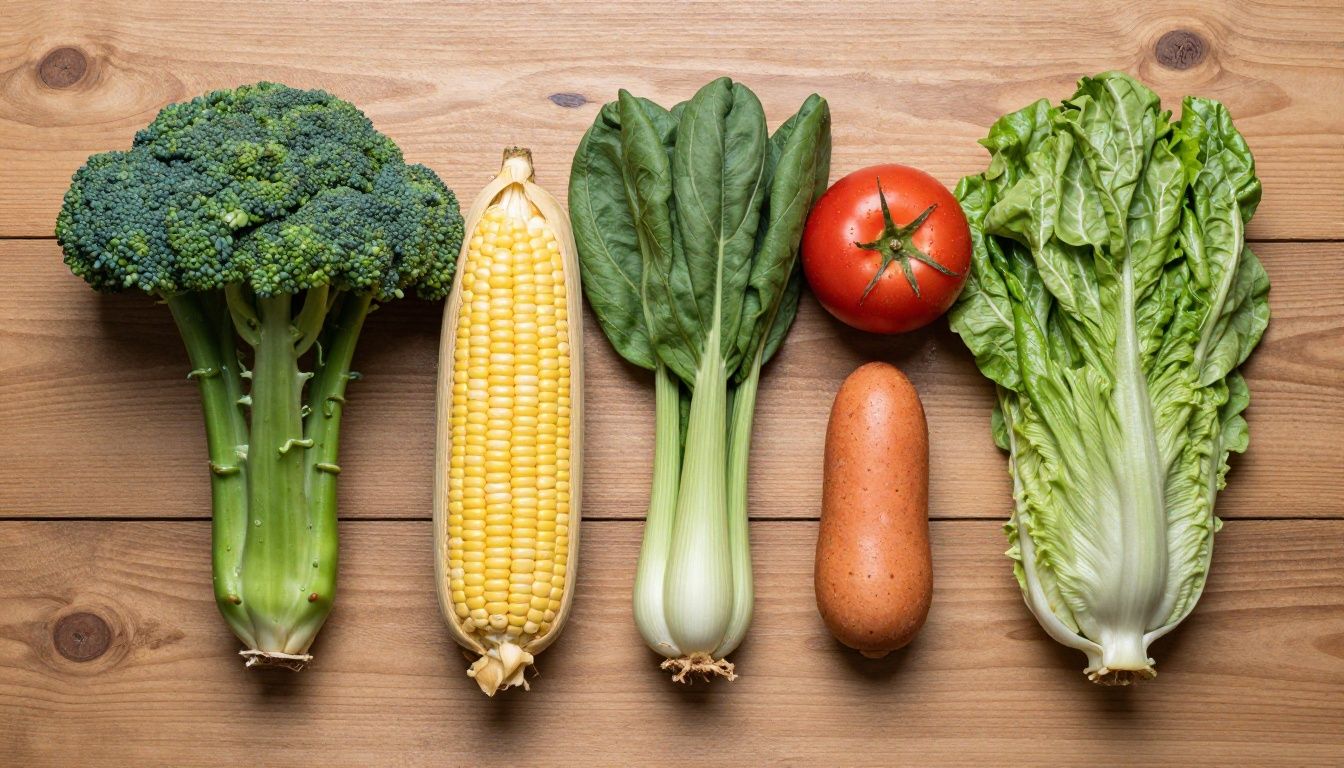
Certain foods are naturally higher in fermentable carbohydrates, such as beans, cruciferous vegetables, and dairy products. While these are healthy, your gut may need time to adapt to higher amounts of fiber. Additionally, processed foods have ingredients that can disrupt standard digestion.
Behavioral Habits
How you eat is just as important as what you eat. Eating under stress, talking while chewing, or swallowing large chunks of food can lead to aerophagia, or the ingestion of excess air. This air has to go somewhere, and it often results in immediate bloating.
Microbiome Balance
Your microbiome thrives on diversity. If your gut lacks a variety of beneficial bacterial colonies, it may struggle to process certain plant fibers, leading to excess fermentation and gas. This is why incorporating Probiotics for Bloating into your routine can be an effective way to support your system.
Evidence-Based Strategies and Practical Steps
Improving your digestion requires a shift from quick fixes to long-term habits. According to research from Johns Hopkins Medicine, simple changes to eating patterns can drastically reduce the occurrence of gas and distension. Start by focusing on the following evidence-based practices:
- Mindful Chewing: Digestion begins in the mouth. Chewing your food thoroughly reduces the work your stomach has to do later in the process.
- Portion Control: Consuming massive meals can overwhelm your enzymatic capacity. Try smaller, more frequent meals if you find yourself feeling frequently bloated.
- Hydration Balance: Drinking water throughout the day is excellent, but avoid chugging heavy amounts during your meal, as it might dilute crucial digestive enzymes temporarily.
- Fiber Gradualism: If you increase your fiber intake, do it slowly. Sudden, massive spikes in beans or grains will almost certainly cause discomfort as your gut microbiome adjusts to the new substrate.
- Movement After Meals: A ten-minute walk after eating can stimulate motility in the digestive tract, helping move gas and food through your system more efficiently.
Practical Examples for Beginners
Implementing these changes does not have to be difficult. If you feel discouraged by the wide range of advice available, focus on creating a simple “transition ritual” for your lunch or dinner. Start by eliminating common culprits or modifying how you prepare them; for instance, learn more about which Foods That Cause Bloating most commonly affect individuals so you can identify your own trigger points. A simple daily log can be an eye-opener. Record what you ate, how fast you ate it, and how your stomach felt thirty minutes later. This practice helps you identify patterns, like realizing that you feel significantly more bloated on days when you eat at your desk while responding to emails. Shift your environment: sit away from screens, take at least fifteen minutes to eat, and put your utensils down between bites to encourage intentional chewing. This small, realistic change is often all it takes to get started on the path to improved comfort.
Common Mistakes and Long-Term Tips
One of the most common mistakes is assuming that bloating is always caused by a specific food allergy. While food sensitivities exist, often the issue is simply the speed of intake or the preparation method. Do not rush to eliminate entire food groups, as this can end up narrowing your nutritional diversity and starving beneficial gut bacteria. Another misstep is relying exclusively on supplements without addressing the behavioral habits that cause gas. Supplements should be seen as a tool to support your routine, not a replacement for mindful eating. Aim for consistency over perfection. If you have an occasional day where you eat quickly and feel bloated, do not view it as a failure of your entire protocol. Simply return to your balanced routine at the next meal. Long-term digestive health is a marathon, not a sprint, and understanding your body’s unique rhythms is the best way to ensure sustainable comfort for years to come.
When to Speak With a Healthcare Professional
While occasional bloating is usually related to diet and lifestyle, you should consult a doctor if your symptoms are severe, persistent, or accompanied by "red flag" warning signs. These include unexplained weight loss, blood in your stool, persistent diarrhea or constipation, fever, or severe abdominal pain. If you notice a sudden, unexplained change in your bowel habits that lasts for more than a few weeks, or if you feel that your bloating interferes with your ability to eat adequately, it is time to seek professional evaluation. A doctor can help determine if there are underlying issues that require a more specific, clinical approach.
Frequently Asked Questions
Is daily bloating considered normal?
While it is common to feel a little full after a large meal, daily or painful bloating is not considered standard. It is generally a sign that your digestive system is struggling to process certain items or that your gut microbiome needs additional support to function efficiently each day.
Does drinking carbonated water cause bloating?
Yes, for many people, carbonated water introduces extra air into the digestive tract. This can lead to increased gas and immediate distension after drinking. If you are prone to bloating, try sticking to plain filtered water or herbal teas, which are far easier for your digestive system to manage.
Can stress cause post-meal bloating?
Absolutely. The gut and brain are deeply connected via the gut-brain axis. When you are stressed, your body enters a "fight or flight" mode, which effectively slows down digestion. Eating while anxious often leads to improper digestion, as your body is not optimized for rest and metabolism at that moment.
How long should I wait after eating to exercise?
While light movement like walking can actually help move gas through your system, vigorous exercise immediately after a large meal can worsen bloating. It is typically recommended to wait about one to two hours after a standard meal before engaging in high-intensity physical activity to allow digestion to proceed.
Can probiotics help with bloating?
Probiotics can support the balance of your gut microbiome, which is essential for healthy fermentation and gas production. While they are not a "cure" for all bloating, many people find that consistent use of high-quality probiotic strains helps reduce frequency and intensity of post-meal tightness over the long term.
Final Thoughts
Feeling better starts with the small, daily choices you make at each meal. By slowing down, chewing intentionally, and paying attention to which foods work best for your unique system, you can significantly reduce the frequency of feeling bloated after eating. Remember to stay patient with your body as it adjusts to new habits—true digestive health is built through consistency and evidence-based living, not through restrictive measures or quick fixes. If discomfort persists, do not hesitate to reach out to a healthcare professional for personalized guidance. You deserve to feel comfortable and vibrant after every meal you eat.