
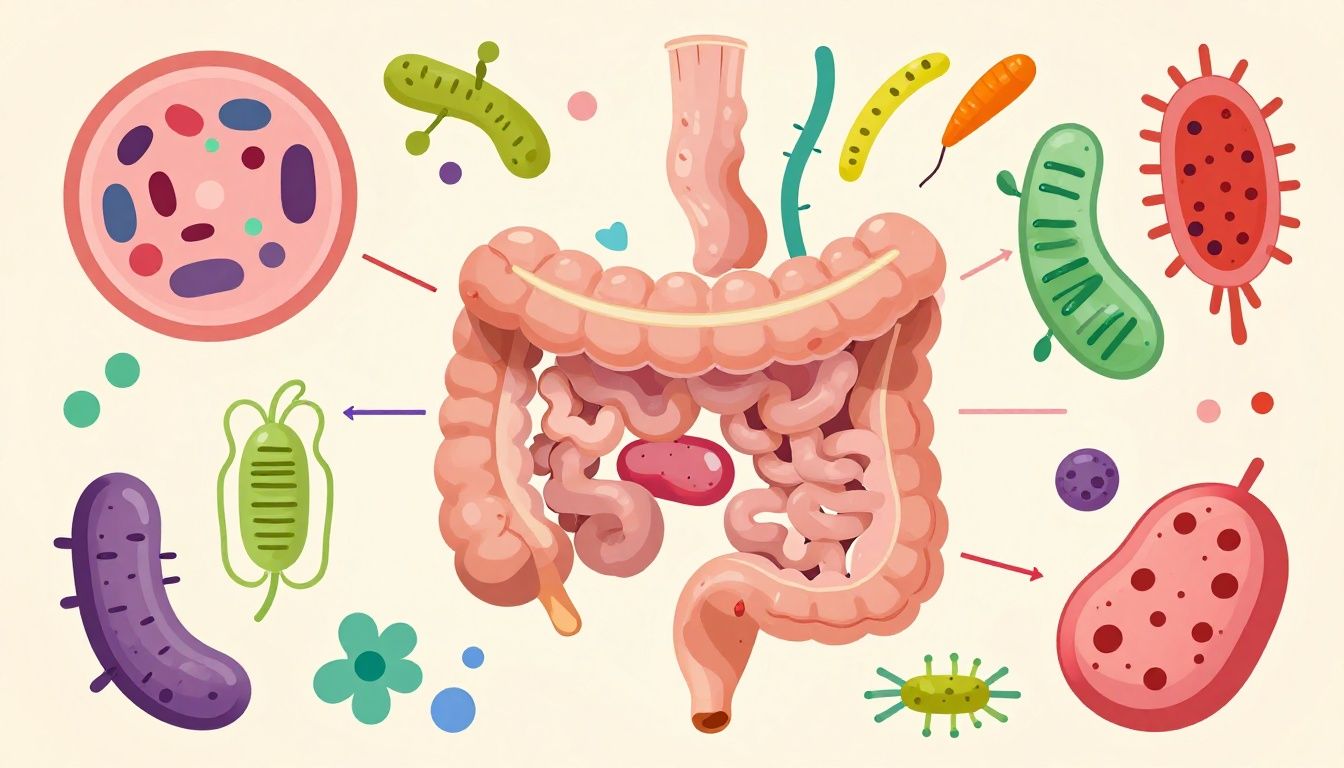
When you think about yourself as an individual, you likely imagine a single organism. However, from a biological perspective, you are actually a bustling ecosystem. Within your digestive tract resides a complex community of trillions of microorganisms, collectively known as your gut microbiome. This intricate inner world plays a pivotal role in how you process food and absorb nutrients and even in how your immune system responds to daily challenges. Understanding how this system functions is no longer just for scientists; it has become a central component for anyone looking to optimize their daily vitality and long-term health. By learning to support these microscopic partners, you can unlock a deeper level of comfort and resilience in your physical well-being. Throughout this guide, we will explore the essential layers of this ecosystem and how you can positively influence your internal environment starting today.
Key Takeaways
- Your gut microbiome acts as a vital organ, influencing everything from immunity to mood.
- Diversity is the goal; a wider variety of microbes is typically linked to better health outcomes and stress resilience.
- Lifestyle choices, such as dietary fiber intake and movement, directly shape your internal microbial population.
- Probiotics and prebiotics are not just buzzwords but important tools for feeding and replenishing your gut.
- Consistency matters more than perfection; small, sustainable changes to your daily routine generate the most lasting benefits over time.
Understanding the Gut Microbiome
The gut microbiome refers to the diverse community of bacteria, fungi, viruses, and other microbes living primarily in your large intestine. While the word “bacteria” often gets a bad reputation, the vast majority of these organisms are beneficial, acting as silent partners in your health. To truly grasp why this matters, it helps to understand what gut health is and how it serves as the foundation for your body’s daily operations. These microbes help break down complex carbohydrates that your body would otherwise struggle to digest, and they produce essential vitamins like B12 and vitamin K. When your microbial ecosystem is balanced, your body functions efficiently. Conversely, an imbalance can lead to fatigue, digestive discomfort, and a weakened immune response. By fostering a high level of microbial diversity, you ensure that your body has the necessary tools to adapt to environmental stressors. Think of your gut as a garden; when you plant a wide variety of seeds and provide the right nutrients, you cultivate a lush, healthy, and self-sustaining environment that serves you well for the long term.
Why This Matters for Your Health
The significance of this complex internal engine cannot be overstated, as it influences nearly every physiological system in your body. Beyond simple digestion, these microbes communicate with your brain, produce neurotransmitters like serotonin, and act as the first line of defense for your immune system. According to current research from the National Institute of General Medical Sciences, the microbiome’s role in human biology is so extensive that scientists are still identifying the full extent of its functions. When you neglect this system, you may find that your health becomes less predictable. When you honor it through thoughtful habits, you encourage a state of homeostasis where your body can recover more quickly from illness and manage energy levels more effectively throughout the day. It is not about reaching perfection but about providing your body with the evidence-based support it needs to thrive. By recognizing that you are never truly alone in your body, you gain a new perspective on how your choices impact your internal inhabitants, ultimately leading to a more positive and proactive outlook on your overall, daily wellness journey.
How to Get Started
Getting started does not require radical changes or expensive protocols; it thrives on simple, consistent actions. The first step in supporting your microbiome is to focus on diversity in your diet. Rather than obsessing over calorie counting, aim for a wide range of plant-based foods, including vegetables, fruits, legumes, nuts, and seeds. Each type of plant provides unique fibers that act as fuel for different beneficial microbes. Second, it is helpful to familiarize yourself with the difference between prebiotics vs. probiotics to understand how you can actively nourish and replenish these helpful communities. Prebiotics feed your existing population, while probiotics introduce new cultures that may temporarily bolster your numbers. Third, incorporate hydration into your day. Fiber requires water to move efficiently through your digestive tract, so drinking enough throughout the day is essential for both your bowels and your microbes. Fourth, focus on reducing ultra-processed foods, which can sometimes create an environment that favors less beneficial microbes. Finally, consider tracking your habits. Note how specific foods or stress levels affect how you feel. By methodically observing your body’s responses, you move away from guesswork and toward an evidence-based approach to managing your internal ecosystem. For practical meal ideas, see our guide to the best foods for gut health. Start your journey by focusing on one or two manageable changes, such as adding one new vegetable to your dinner or increasing your water intake, and build from there as these habits become a natural part of your daily routine.
What to Include or Consider
When curating your lifestyle to support your gut, consider the interplay between food, environment, and movement. Dietary fiber is the undisputed champion of gut health, acting as the primary food source for beneficial bacteria. Aim to include a variety of colors in your diet, as different pigments often signal different phytonutrients that can influence microbial health. Beyond food, movement is a secret ally. Physical activity helps increase transit time in the digestive tract and can reduce inflammation, which creates a more hospitable environment for beneficial organisms. It is also important to consider the role of sleep and stress. Chronic high stress and inadequate sleep can alter the gut environment, making it harder for helpful bacteria to flourish. Keep an eye out for potential signs that your gut may need attention, such as persistent bloating, irregular bowel movements, or low energy levels. These are often signals from your body that it might be time to refine your approach. Remember that you do not need to cut out whole food groups unless medically necessary; instead, aim for gentle, additive changes. By keeping a simple log of your meals and how you feel, you can identify patterns that are unique to you, creating a roadmap that guides your future wellness decisions.
Practical Examples
Applying this knowledge does not have to be complicated. For breakfast, consider a bowl of overnight oats with chia seeds, which provides both fiber and texture. Adding a scoop of Greek yogurt can provide a source of probiotics, while the oats offer essential prebiotics. For lunch, focus on foods for gut health that are easy to prep, such as a hearty lentil salad or a quinoa bowl topped with fermented veggies like sauerkraut or kimchi. These fermented foods are excellent ways to introduce beneficial microbes naturally. For dinner, aim for a plate that features at least two different colored vegetables, perhaps roasted broccoli and sliced bell peppers, alongside a lean protein source. Snack time is another opportunity to support your gut; instead of reaching for processed chips, try a handful of walnuts or a piece of fruit like an apple or pear, which provides both fiber and natural sweetness. If you enjoy baking, experiment with using chickpea flour or oat flour to add a boost of fiber to your favorite treats. By incorporating these small adjustments into your daily routine, you make the work of your gut microbiome easier and help create an internal environment that supports your broader health goals throughout the week.
Common Mistakes to Avoid
The most common mistake is the quest for perfection. Many people try to overhaul their diet overnight, which can lead to bloating, gas, and discouragement. Instead, introduce high-fiber foods slowly. A second mistake is relying solely on supplements to fix chronic issues. While quality probiotics can be helpful for some, they are not a substitute for a nutritious, diverse diet. A third error is ignoring the role of stress and sleep. Your gut is connected to your brain, and ignoring your mental well-being can manifest as digestive distress. Fourth, avoid the trap of fear-based eating. You do not need to eliminate entire food groups unless directed by a doctor; this can sometimes lead to nutritional deficiencies and a less diverse microbiome over time. Finally, avoid falling for marketing hype about miracle cures. Genuine gut health takes time to cultivate, and any product promising overnight transformation is usually worth viewing with skepticism. Focus on habits that are sustainable for you for months and years, not just for a week.
Tips for Better Long-Term Results
Sustainability is the cornerstone of long-term success. Focus on creating an environment where healthy habits are easy to perform. For example, keep healthy snacks within reach at work, or prep a batch of fiber-rich grains on Sunday so you can easily add them to your meals. Stay curious about how your body responds to different foods. Keep a food diary for a few weeks to notice how you feel after meals; this information is far more valuable than any generic advice. Prioritize movement that you actually enjoy, as consistency is far more effective than high-intensity, short-lived efforts. Give yourself permission to have inconsistent days, and simply return to your base habits during your next meal. Building a healthy relationship with your food and your body is just as important as the specific nutrients you consume. Celebrate small wins, like choosing water over soda or trying a new fermented food, and keep your focus on the positive steps you are taking toward a stronger, more resilient inner landscape.
When to Seek Professional Guidance
While taking control of your daily nutrition is empowering, there are times when you should consult a healthcare professional. If you experience persistent abdominal pain, unexplained weight loss, blood in your stool, or chronic digestive issues that do not improve with simple dietary and lifestyle adjustments, it is important to seek medical advice. Additionally, if you have a known chronic condition or are considering starting intensive supplementation, talk to your doctor or a registered dietitian. They can provide personalized assessments, rule out underlying medical concerns, and ensure that any changes you make are safe and appropriate for your specific health history. Do not use this information as a replacement for medical diagnosis or formal treatment plans; instead, use it as a tool to help you have an informed conversation with your healthcare provider about your personal wellness goals.
Final Thoughts
Cultivating a healthy gut microbiome is one of the most proactive steps you can take to safeguard your long-term health and vitality. By understanding that your body is a dynamic ecosystem, you can move away from restrictive health trends and toward a more balanced, evidence-based approach. Remember that diversity in your food, consistency in your daily habits, and attention to your body’s unique signals are the keys to flourishing. While the science of these trillions of microscopic partners continues to evolve, the foundational advice remains clear: nourish your body with variety, stay hydrated, manage your stress, and listen to the feedback your system provides. As you continue to support your gut microbiome, you will likely notice improvements in your energy, digestion, and overall sense of well-being, proving that even the smallest lifestyle changes can yield significant, lasting rewards for your health.
Frequently Asked Questions
What is the simplest way to begin?
The simplest way to start is to incrementally increase the fiber in your diet. Begin by swapping one processed snack for a fruit or vegetable each day. Simultaneously, ensure you are drinking plenty of water, as this helps your digestive tract manage the increased fiber intake effectively. Focus on diversity rather than intensity; aim to add one new plant-based ingredient to your meals each week.
How long does it usually take to notice useful patterns or results?
Most people notice positive shifts in their digestion and energy levels within two to four weeks of consistent habit changes. However, it is important to remember that individual experiences vary significantly based on your starting point and current health status. Patience is essential; your microbiome needs time to adapt to new dietary inputs, and real, sustainable results are built through weeks of steady, positive effort.
What information or details are most important?
The most important details are your own personal responses. While general advice points toward a fiber-rich, plant-heavy diet, your body is unique. Tracking what you eat and noting how you feel—such as your energy levels, bowel regularity, and instances of bloating—provides the most valuable data. This helps you identify which specific foods or habits work best for you and helps you avoid unnecessary dietary restrictions.
What common mistake should beginners avoid?
The most common mistake is changing your diet too drastically and too quickly. Adding a large amount of fiber into your diet overnight can cause significant discomfort, such as bloating and gas. Instead, increase your intake gradually. This allows your gut to adjust and helps you identify which foods you tolerate well, ensuring that your journey remains comfortable rather than overwhelming or frustrating.
When should someone speak with a healthcare professional?
You should speak with a professional if you experience persistent symptoms like severe pain, unintended weight loss, blood in the stool, or chronic irregularity that does not improve after making gentle lifestyle adjustments. If you have underlying health conditions or are considering high-dose supplements, a doctor or registered dietitian can provide tailored guidance to ensure your plan is both effective and completely safe for your personal health needs.