
Key Takeaways
Understanding your digestive system is the first step toward better overall wellness, and fiber plays a starring role in that process. Here are the core concepts of how you can optimize your gut through dietary choices.
- Fiber acts as a prebiotic, fueling beneficial gut bacteria.
- Soluble and insoluble fibers serve different roles in your digestive tract.
- A diverse diet encourages a resilient, balanced microbiome.
- Gradual fiber increases help minimize common digestive discomforts.
- Adequate water intake is essential for fiber to work effectively.
The science of fiber and the human microbiome
The complex ecosystem residing in your gut, known as the microbiome, relies on consistent fuel to thrive. Fiber, which resists digestion in the small intestine, reaches the large intestine, where it becomes a primary energy source for your internal residents. Understanding How Fiber Improves Gut Health begins with recognizing how these diverse plant-derived carbohydrates interact with our internal biology.
Defining soluble versus insoluble fiber
Most plant foods contain a mixture of two main fiber types, each contributing uniquely to your digestive efficiency. Soluble fiber absorbs water, forming a gel, while insoluble fiber adds bulk and promotes transit time.
| Fiber Type | Function | Examples |
|---|---|---|
| Soluble | Forms a gel, slows digestion | Oats, beans, apples |
| Insoluble | Increases stool bulk, speeds transit | Wheat bran, seeds, leafy greens |
| Mix of Both | Balanced digestive aid | Whole grains, cruciferous vegetables |
These distinctions help you choose foods based on specific health goals, such as managing cholesterol or preventing irregularity.
The role of fermentation in the large intestine
Once fiber reaches the colon, your microbiome goes to work through a process called fermentation. This anaerobic activity breaks down the undigested carbohydrates, turning them into beneficial compounds that your body can absorb for systemic support. This biological process is a cornerstone of metabolic health.
How short-chain fatty acids protect the gut lining
The primary products of fiber fermentation are short-chain fatty acids, or SCFAs, such as butyrate, propionate, and acetate. These molecules provide a vital energy source for the cells of your colon, effectively strengthening the intestinal barrier against harmful pathogens. By maintaining this structural integrity, SCFAs help regulate immune function and reduce potential inflammation.
How fiber supports beneficial gut bacteria

Nourishing your gut is about more than just avoiding processed food; it involves actively feeding the beneficial microbes that keep you well. Healthieme focuses on evidence-based strategies to help you understand how your diet influences this complex system. When you feed your gut properly, you create an environment where health-promoting organisms naturally flourish.
Serving as a prebiotic food source
Prebiotics are specific types of fiber that act as preferred food for your good gut residents. When you eat foods high in prebiotic fibers, you are essentially providing the building blocks for a healthier, more active microbial population. This interaction is essential for consistent digestion and mood stability.
Encouraging microbial diversity
A diverse microbiome is generally considered a sign of robust health, and fiber is the most reliable way to achieve this variety. By consuming different types of plants, you provide various food sources that support a wide range of bacterial strains. This richness helps your body adapt more easily to stress, dietary changes, and environmental factors.
Preventing the growth of pathogenic bacteria
Beneficial bacteria help defend your gut by taking up space and resources that might otherwise be exploited by harmful species. Through the production of acidic byproducts during the fermentation of fiber, these good microbes lower the intestinal pH, making your gut an inhospitable environment for pathogenic overgrowth.
Health benefits beyond digestion
Fiber provides systemic advantages that extend far beyond your stomach, influencing everything from metabolic stability to long-term vitality. Healthieme explores these connections to help you understand why fiber intake is a cornerstone of preventative nutrition. Incorporating a variety of plant foods allows you to gain these wide-reaching advantages.
Impact on blood glucose regulation
Soluble fiber is particularly effective at slowing down the rate at which your body absorbs sugar from meals. This action prevents rapid spikes in blood glucose, leading to steadier energy levels throughout the day. It is a simple change that can significantly improve your daily focus.
Supporting cardiovascular and metabolic health
Regular fiber consumption is associated with improved cholesterol levels, as specific fibers bind to bile acids to assist in their removal from the body. This mechanism helps your heart function more efficiently while promoting overall metabolic wellness. A diet rich in whole foods is the most sustainable approach to achieving these cardiovascular benefits.
Reducing systemic inflammation markers
The long-term ingestion of fiber is linked to lower levels of C-reactive protein, a common marker for systemic inflammation. By fostering a calm and well-fed microbiome, fiber intake helps lower the total inflammatory burden on your body. Here are the core benefits observed:
- Improved metabolic rate management
- Enhanced blood pressure control
- Reduced chronic disease risk factors
- Sustained energy throughout the day
These collective effects contribute to a more stable internal environment that supports longevity and wellness.
Implementing fiber into your daily diet

Transitioning to a high-fiber lifestyle shouldn’t be a jarring experience. By making small, mindful updates to your plate, you can gradually increase your intake without causing unnecessary digestive distress. Healthieme offers clear guidance on choosing whole foods that naturally elevate your daily fiber count.
Recognizing high-fiber food groups
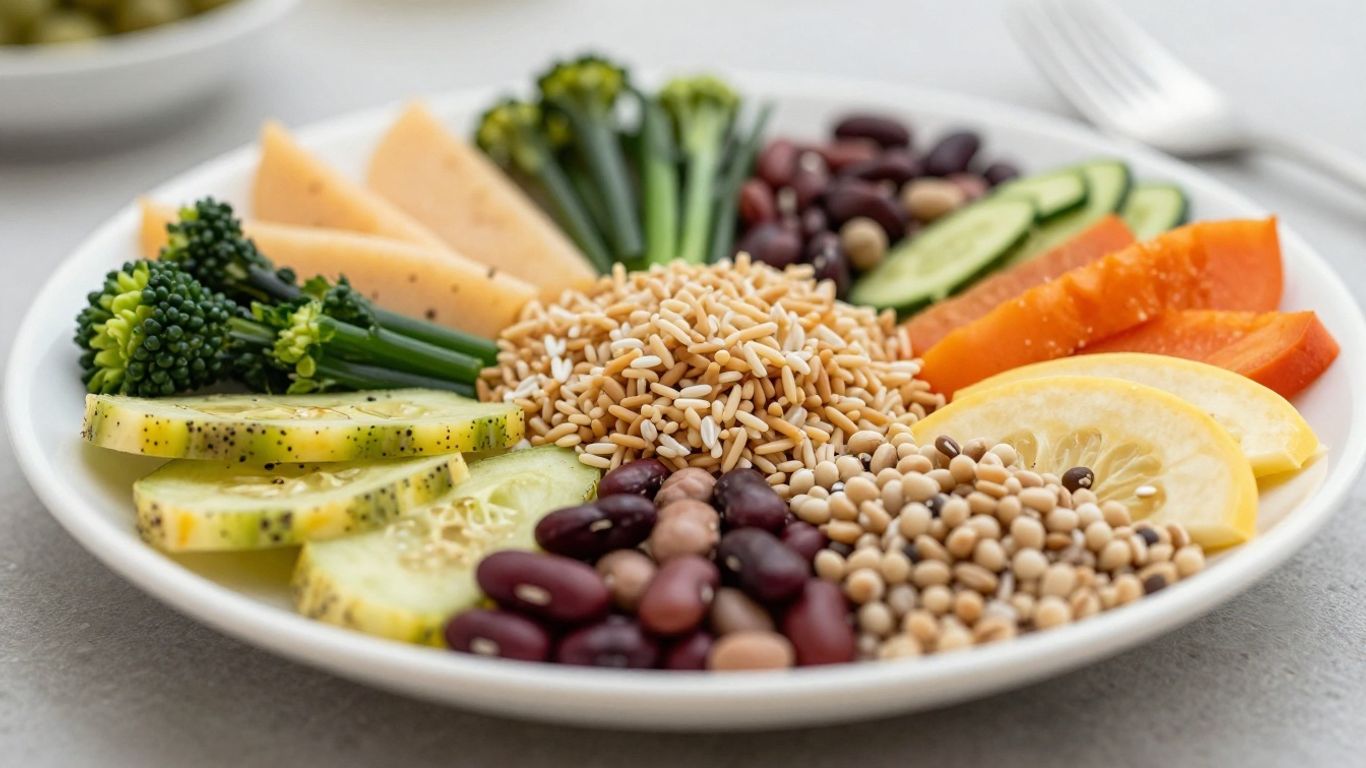
To boost your fiber, focus on prioritizing legumes, fruits, vegetables, and intact whole grains. Each of these categories adds distinct types of nutrients that support your microbiome in different ways. Aiming for a wide-colored plate is a great visual strategy.
Gradual transition strategies to avoid digestive discomfort
If your current diet is low in fiber, adding large amounts suddenly can lead to bloating or gas. Start by increasing your serving sizes by small increments over several weeks, allowing your gut bacteria time to adapt to the higher volume of fermentable material. Patience with this process ensures a much smoother adjustment period.
The critical importance of adequate hydration
Fiber relies on water to perform its functions correctly, especially when providing bulk to your stool. As you increase your daily fiber, it is non-negotiable to increase your water intake as well to keep things moving smoothly. Proper hydration completes the necessary cycle for effective digestive health.
Identifying and managing common digestive challenges
Even with the best intentions, digestive systems can be sensitive, and knowing how to adjust when things don’t go as planned is helpful. Healthieme suggests listening to your body to find what works best, as individual needs can vary significantly.
When to seek advice for bloating or gas
Occasional bloating can be a normal part of adjusting to fiber, but severe or persistent pain warrants a conversation with a qualified professional. If you find that discomfort lingers despite adjusting your intake, it is best to consult with a provider who can evaluate the specific source of your symptoms.
Adjusting intake for underlying medical conditions
For those with existing gastrointestinal conditions, a “one-size-fits-all” approach to fiber may not be appropriate. Working with a doctor can help you identify which specific fibers are best tolerated for your unique needs. Customizing your approach is often the key to lasting success.
Balancing whole foods with supplemental fiber
While whole foods should always be your first choice, some people benefit from targeted fiber supplementation under professional guidance. Whether you use whole foods or supplements, the goal is consistent, comfortable intake that fuels your microbial health without causing irritation.
Best practices for long-term fiber health
Consistency is the secret to maintaining the benefits of a fiber-rich diet over time. Focus on variety to ensure your microbiome remains diverse and resilient throughout your life.
Incorporating variety to feed different bacterial strains
A diverse microbial community is fed by a diverse selection of plant fibers. Try switching up your produce each week, rotating between various legumes, seeds, and seasonal greens to keep your gut residents well-fed and varied.
Reading nutrition labels for fiber content
Becoming a savvy consumer means learning to identify fiber counts on packaged goods you choose. Reading food labels effectively helps you track your daily progress while ensuring you aren’t inadvertently consuming hidden sugars or processed additives.
Combining fiber with fermented foods for synergy
Pairing fiber-rich meals with fermented items can give your good gut bacteria the best of both worlds. The fiber provides the energy, while the fermented foods introduce beneficial probiotics. This powerful combination is a simple way to give your digestive system extra support on a daily basis.
Conclusion
Achieving better health through fiber is a rewarding journey that emphasizes sustainable, everyday choices over quick fixes. By gradually increasing your intake of whole, fiber-rich plants and staying hydrated, you provide your microbiome with the fuel it needs to support your immunity, mood, and long-term vitality.
Frequently Asked Questions
Can eating too much fiber cause digestive issues?
Yes, increasing your fiber intake too rapidly can cause symptoms like bloating, gas, and cramping, which is why a gradual transition supported by adequate hydration is always recommended.
How does fiber help with weight management?
Fiber slows down the digestive process and helps you feel satiated for longer after a meal, which can assist in appetite control and lead to more balanced caloric intake throughout the day.
Should I prioritize fiber over probiotic supplements?
For many people, a balanced diet rich in prebiotic fibers is sufficient to support a healthy microbiome; supplements should generally be viewed as a secondary tool to complement, not replace, a foundation of healthy food choices.
What are the best fiber sources for beginners?
Beginners often find success by incorporating easy-to-digest whole foods like well-cooked oats, peeled fruits, berries, and finely chopped cooked vegetables before moving to bulkier sources like bran or raw legumes.
Will fiber help with chronic constipation?
Fiber helps add bulk and softens stools, assisting in regular bowel movements, though those with chronic constipation should discuss persistent issues with a doctor to rule out underlying medical causes.
Does cooking vegetables change their fiber content?
Cooking can soften the structure of vegetables, making them easier to digest, though it doesn’t significantly change the total fiber amount; it is a helpful strategy for anyone sensitive to high-fiber foods.