
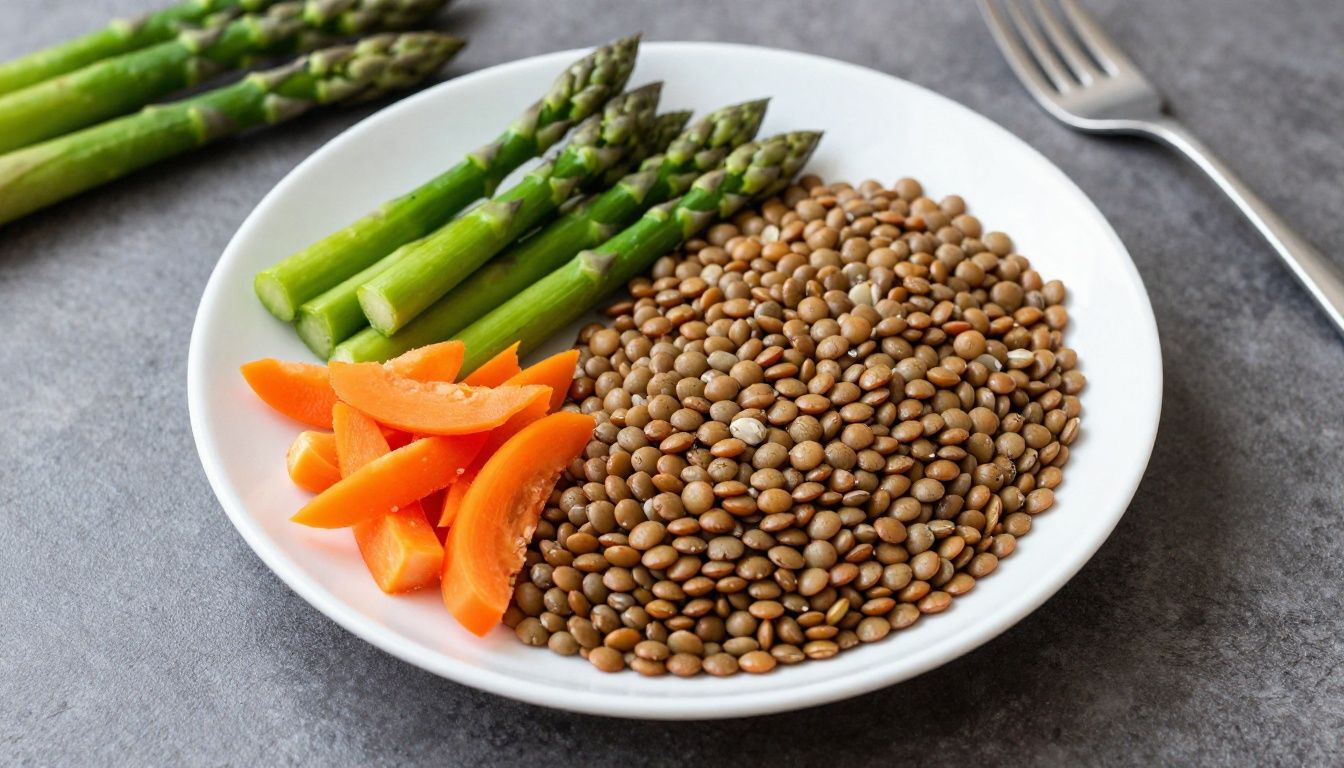
Navigating the world of digestive support can feel overwhelming, especially when you are trying to understand the nuances of gut health. When researching options to improve regularity or support your internal ecosystem, you will likely encounter the terms prebiotics and fiber supplements. While the two categories often overlap, understanding the distinct roles of prebiotics vs fiber supplements is essential for making informed choices about your long-term wellness. Both play a vital role in how your body processes nutrients, but they serve different functions in the gastrointestinal tract. In this guide, we will break down the science behind these supplements, clarify their differences, and provide evidence-based guidance on how to choose the right support for your unique needs, whether you are managing mild bloating or simply looking to optimize your overall digestive function.
Key Takeaways
- Fiber supplements are primarily used to add bulk to stool and promote regularity, whereas prebiotics are specialized compounds that act as fuel for beneficial gut bacteria.
- Many prebiotic foods and supplements consist of specific types of fibers, such as inulin, but not all fiber supplements provide the same metabolic benefits for the microbiome.
- Gradual introduction is critical; moving too quickly from a low-fiber diet to high-supplement intake is the most common cause of digestive discomfort.
- Prioritize whole-food sources of fiber and prebiotics before turning to synthetic or concentrated supplements to ensure a broader spectrum of nutrients.
- Individual responses vary; what works for one person’s gut may cause gas or bloating in another due to unique microbiome compositions.
Understanding prebiotics vs fiber supplements
To effectively choose between these supplemental aids, we must first define their roles. Dietary fiber refers to the parts of plant foods that your body cannot digest or absorb. It travels through your stomach, small intestine, and colon, acting as a broom that helps keep your digestive system moving. Fiber supplements are essentially concentrated versions of these indigestible plant parts, often categorized as either soluble or insoluble.
Prebiotics, on the other hand, are a specific subset of fiber that serves as the preferred “food” for your healthy gut bacteria. When you consume prebiotics, they pass through the small intestine largely undigested, reaching the colon where they are fermented by your microbiota. This process produces beneficial postbiotics, including short-chain fatty acids like butyrate, which support gut barrier health. While all prebiotics are technically forms of fiber, not all fiber acts as a prebiotic. For example, some insoluble fibers provide great mechanical “bulk” for regularity but are not fermented by bacteria in the same way that fermentable, prebiotic fibers like Fructooligosaccharides (FOS) or Inulin are. Understanding this distinction is the cornerstone of mastering the prebiotics vs fiber supplements debate.
Why prebiotics vs fiber supplements Matters
If your digestive health is feeling sluggish, the impact on your daily life is profound. You might experience lethargy, irregular bowel movements, or consistent discomfort that prevents you from feeling your best. Choosing between prebiotics vs fiber supplements isn’t just about picking a product off the shelf; it is about addressing the root cause of your digestive concerns. If your primary goal is to improve consistency, a simple fiber supplement like psyllium husk might be your most effective ally. If your goal is to support an imbalanced microbiome or recover after an illness, you may lean toward a prebiotic-heavy approach.
Incorporating these elements properly can transform your daily habit framework, as discussed in The Benefits of Eating More Fiber. When you lean into the right type of support, your energy levels tend to stabilize because your gut effectively communicates with your immune system and your brain. However, it is vital to remember that these are not “quick fixes” that cure underlying conditions. Instead, they are tools to help maintain a healthy internal environment. By choosing intentionally, you avoid the common trap of relying on pills to solve issues that might be better managed through consistent, healthy lifestyle habits.
Key Factors to Consider
The Role of Solubility
Solubility is one of the most important factors when comparing products. Soluble fiber dissolves in water, forming a gel-like substance that can slow digestion and help lower cholesterol levels. Insoluble fiber does not dissolve and is primarily responsible for adding bulk, which speeds up the transit time of stool through the intestines. Most people benefit from a mix of both.
Fermentation and Sensitivity
Prebiotics are highly fermentable. While this is great for feeding good bacteria, it can also lead to increased gas production in the short term. If you have a sensitive gut or conditions like SIBO (Small Intestinal Bacterial Overgrowth), high doses of prebiotic fibers can actually aggravate your symptoms. This is a critical factor when looking at prebiotics vs fiber supplements.
Individual Microbiome Diversity
Your gut is a unique ecosystem. A supplement that causes zero issues for a friend might trigger bloating for you. The diversity of your existing microbiome dictates how efficiently you can digest and ferment different types of fibers. It is almost always best to start with a “low and slow” approach to monitor how your body reacts to various fiber types, be they prebiotic or standard bulk-forming fibers.
Evidence-Based Strategies and Practical Steps
Prolonged reliance on high-dose supplements can sometimes mask an underlying need for a more diverse plant-based diet. When you are ready to introduce these into your routine, remember that clear, science-backed guidance matters. According to Harvard Health Publishing — Prebiotics: Understanding Their Role in Gut Health, these compounds are essential for long-term health, provided they are introduced in a way that respects your digestive speed.
Before you start, compare Prebiotics vs Probiotics: What’s the Difference? to ensure you are not confusing the food for the bacteria itself. Once you are clear on your goals, follow these steps to integrate them successfully:
- Start with half the recommended serving size to allow your gut microbes to adjust.
- Increase your water intake significantly, as fiber requires fluid to move through your system without causing constipation.
- Monitor your symptoms using a food journal for at least two weeks.
- If a specific supplement triggers excessive gas or pain, cease use and consult a dietitian.
- Focus on whole-food sources like bananas, garlic, onions, and asparagus alongside your supplements.
Practical Examples for Beginners
For most beginners, the goal is to bridge the gap between their current diet and the recommended fiber intake. If you are struggling to reach those targets, you might consider starting with a simple, high-quality supplement. For a detailed breakdown of what to look for, refer to our Best Gut Health Supplements for Better Digestion (2026 Guide). Best Foods for Gut Health (Eat This Daily)
Imagine a daily plan: start your morning with a glass of water and a small serving of psyllium husk (a fiber supplement) mixed into a smoothie to help with morning regularity. In the evening, you might add a small amount of prebiotic-rich foods to your dinner, such as sautéed leeks or cold-cooked potatoes, which contain resistant starch—a natural prebiotic. This two-pronged approach uses the fiber supplement for bulk and the whole food for nourishment. By keeping this routine consistent for several weeks rather than changing products every few days, you allow your system to reach a state of equilibrium. Consistency is far more impactful than switching between different brands in search of a magic result.
Common Mistakes and Long-Term Tips
The most common mistake beginners make is jumping to the maximum recommended dose immediately. This often leads to severe bloating and abdominal discomfort, which scares people away from potentially beneficial interventions. Remember that your gut is a slow-to-adapt environment. Rapidly dumping a high dose of prebiotic fiber into a system that isn’t accustomed to it will almost certainly cause fermentation, resulting in discomfort that is better avoided through patience.
Another mistake is viewing these supplements as a replacement for real food. High-quality nutrition from beans, lentils, whole grains, and leafy greens provides a complex matrix of vitamins, minerals, and phytonutrients that cannot be replicated in a pill or powder. Over time, prioritize getting your daily fiber from your kitchen pantry. Use supplements specifically as a bridge—as a way to reach your goals when your schedule is busy or your dietary options are limited. Think of supplements as the safety net, not the platform itself. Sustainability is the key to any successful health journey, so keep your routine simple and manageable for the long haul.
When to Speak With a Healthcare Professional
If you have implemented dietary changes and fiber support but continue to experience persistent symptoms, it is time to seek professional guidance. Please talk to your doctor or a registered dietitian if you notice signs like unexplained weight loss, blood in your stool, chronic abdominal pain that does not respond to dietary adjustments, or significant changes in your bowel habits that last for more than two weeks. These can be indicators of underlying issues that require medical testing. Always ensure you mention all supplements you are taking to your provider, as some fiber types can interact with other medications or affect the absorption of certain nutrients.
Frequently Asked Questions
Can I take prebiotics and fiber supplements together?
Yes, you can safely take them together, as they often target different aspects of digestive health. Fiber supplements primarily provide bulk for regularity, while prebiotics nourish your microbiome. However, monitor yourself closely for gas or bloating, as combining them too aggressively can overwhelm your digestive threshold.
How long does it take for these supplements to work?
Most people begin to notice improvements in regularity within 3 to 5 days of starting a fiber supplement. Conversely, the benefits of prebiotics on your microbiome population and overall gut health are more cumulative and may take several weeks of consistent use to become noticeable.
Do prebiotics cause more gas than fiber supplements?
Generally, yes. Because prebiotics are fermentable fibers specifically designed to feed bacteria, the byproduct of this fermentation process is gas. While this is a sign that the bacteria are active and feeding, it can be uncomfortable. Most of these effects subside as your system adjusts to the new fiber intake.
Is psyllium husk considered a prebiotic?
Psyllium husk is primarily a soluble fiber used for its bulking and stool-softening properties. While it has some minor benefits for gut bacteria, it is not considered a potent prebiotic in the same way that inulin, FOS, or galactooligosaccharides (GOS) are. It is best used for regularity concerns.
Should I take these supplements in the morning or evening?
Timing is less important than consistency. Most people find that taking fiber-based supplements in the morning helps set a rhythm for the day, but the most important factor is remembering to take them consistently. Always ensure you are drinking plenty of water whenever you take fiber supplements.
Final Thoughts
Choosing between prebiotics vs. fiber supplements is about understanding what your gut needs at its current stage. If you are struggling with regularity, fiber supplements offer a reliable, gentle way to improve your daily rhythm. If you are specifically focused on nourishing your internal ecosystem for long-term health, prebiotics provide the essential fuel your beneficial bacteria require to thrive. The best approach is always a balanced one: rely on whole foods as your primary source, use targeted supplements to bridge the gaps, and maintain consistency above all else. Your journey toward a healthier gut is a marathon, not a sprint. Be patient with your body, stay hydrated, and continue making small, incremental improvements to your daily habits.