

Bloating is one of those digestive complaints that can make a normal day feel uncomfortable fast. If you have been dealing with a tight, gassy, or swollen feeling after meals, you already know how discouraging generic advice can feel. That is why so many people look into probiotics for bloating. The idea makes sense on the surface: if gut bacteria influence digestion, then supporting that internal ecosystem may help some people feel more comfortable.
The honest answer is that probiotics for bloating may help, but they do not work the same way for everyone. Your gut microbiome is more like a garden than a machine. Beneficial bacteria are the plants you want to grow, and your food choices, stress levels, hydration, and daily habits all shape the environment. A probiotic can sometimes support that process, but it is usually not a stand-alone fix.
What Causes Bloating?
Bloating usually happens when digestion creates excess gas, food moves slowly, or your gut reacts poorly to certain foods or habits. In many cases, more than one factor is involved, which is why bloating can feel so inconsistent from one day to the next.
Gas produced during digestion is one of the most common triggers. When bacteria ferment carbohydrates in the gut, gas is a normal byproduct. That does not automatically mean something is wrong. But if your body struggles to move gas efficiently, or if you eat foods that are hard for you to tolerate, that pressure can build and leave your stomach feeling stretched or uncomfortable.
Changes in gut bacteria can also play a role. The gut microbiome helps break down food, produce helpful compounds, and influence how your digestive tract functions day to day. When that microbial balance feels off, some people notice more bloating, irregularity, or post-meal discomfort. This is one reason interest in the difference between prebiotics and probiotics keeps growing.
Food sensitivities matter too. Dairy, beans, high-fat meals, sugar alcohols, carbonated drinks, and certain high-FODMAP foods can all contribute. FODMAPs, short for fermentable oligosaccharides, disaccharides, monosaccharides, and polyols, are simply carbohydrates that some guts struggle to absorb. On top of that, digestive habits such as eating too fast, swallowing excess air, skipping water, or overeating can make bloating more likely.
Individual differences are a big part of the story. Two people can eat the same meal and have completely different reactions. That is because each gut microbiome is unique, and each person has their own baseline for motility, stress response, food tolerance, and digestive sensitivity.
What Are Probiotics?
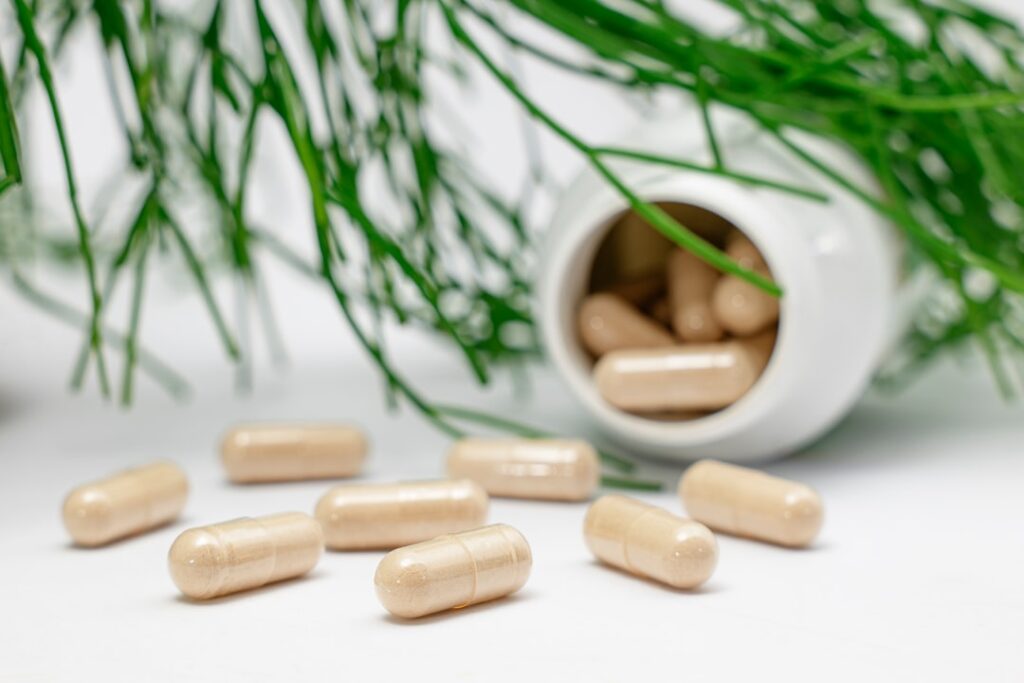
Probiotics are live microorganisms that may provide health benefits when taken in adequate amounts. According to the NIH Office of Dietary Supplements, probiotics are found in some foods and dietary supplements, and their effects can vary depending on the specific strain and the symptom being targeted.
In simple terms, probiotics are beneficial bacteria or yeasts intended to support the gut environment. They do not completely take over your microbiome, and they are not magic pills. Instead, they may help influence the balance of microbes in your digestive tract in ways that support digestive health.
It also helps to separate probiotics from prebiotics. Probiotics are the live organisms themselves. Prebiotics are the fibers and compounds that feed beneficial microbes already living in your gut. Think seeds versus fertilizer. Both matter, but they do different jobs.
Can Probiotics Help With Bloating?
Yes, probiotics for bloating may help some people, but results are mixed and highly individual. Research suggests certain probiotic strains may improve bloating and other digestive symptoms in some groups, yet the benefit depends on the product, the person, and the reason bloating is happening in the first place.
One reason probiotics may help is that they can support a healthier balance in the gut microbiome. If your digestion feels off after illness, antibiotics, diet changes, or long periods of stress, targeted bacteria may help nudge the system in a better direction. Some people notice less gas, more regular bowel movements, or better tolerance to meals over time.
Still, probiotics for bloating are not an instant solution. The NIH notes that probiotic effects vary by strain, duration of use, and symptom. That means a product that helps one person may do very little for another. It also means taking a random supplement with the biggest number on the label is not a very reliable strategy.
The importance of choosing the right strains cannot be overstated. Research tends to be strain-specific, not category-specific. A bottle labeled Lactobacillus or Bifidobacterium tells you only part of the story. The most useful labels identify the genus, species, and strain, which gives you a clearer picture of what you are actually taking.
If your bloating is tied more closely to eating patterns, food triggers, constipation, or stress, even the best probiotics for digestive health may have limited impact unless those foundations improve too. Consistency matters far more than perfection here. A quality supplement can complement a routine, but it rarely replaces one.
How Probiotics May Support Digestive Health
Probiotics may support digestive health by helping maintain a more balanced gut environment, supporting regularity, and promoting beneficial bacteria. These benefits are usually subtle and gradual rather than dramatic, which is one reason realistic expectations matter.
First, probiotics may help support a balanced gut microbiome. When beneficial microbes have a better environment, digestion can feel steadier. That does not mean your microbiome needs to be perfect. It means your gut often responds well to small, repeated signals like fiber, fermented foods, and a well-chosen supplement.
Second, some probiotic supplements for bloating are used as part of a plan to support healthy digestion and regular bowel movements. Regularity matters because when stool sits too long in the digestive tract, bloating and gas often get worse. If that sounds familiar, our article on how to get rid of bloating fast covers practical relief strategies that can work alongside probiotics.
Third, probiotics may promote beneficial bacteria already living in the gut, especially when your meals include the plant fibers those microbes feed on. This is why supplements work best when paired with broader habits, not in isolation. If you are ready to compare options, visit the Healthieme Gut Health Supplements page to explore gut health supplements chosen for quality and digestive support goals.
What To Look For In A Probiotic For Bloating
The best probiotics for bloating are usually the ones with transparent strain labeling, sensible dosing, and strong quality control. Bigger numbers and louder marketing do not automatically mean a better product.
Start with specific strains. A quality product should clearly list the probiotic strain, not just broad categories of bacteria. That matters because digestive effects are often tied to individual strains rather than an entire family of microbes.
Next, look at the CFU count without obsessing over it. CFU stands for colony-forming units, which is a measure of live microorganisms. More is not always better. A moderate-dose supplement with well-studied strains and good stability may be a smarter choice than a high-count formula with vague labeling.
Single-strain versus multi-strain formulas is another decision point. Multi-strain products may offer broader digestive support, while simpler formulas can be easier to evaluate if you want to see how your body responds to one main variable. The better option depends on your goals and your gut sensitivity.
Quality testing matters. Look for brands that are transparent about potency, storage, and third-party testing. Proper storage matters too. Some probiotics need refrigeration, while others are shelf-stable. Either can be fine if the company clearly explains how the product should be handled.
Finally, clear labeling should tell you what is in the capsule, how much is included, and whether the stated potency is meant to last through expiration. That kind of transparency is often more useful than flashy packaging.
Common Probiotic Strains Used For Digestive Support
Several probiotic groups are commonly used for digestive support, but not all strains within those groups work the same way. The right question is not whether Lactobacillus or Bifidobacterium is best in general. It is which specific strain has been studied for your goal.
Lactobacillus strains are among the most common in probiotic supplements for bloating and general digestive health. They are often included in products designed to support microbial balance and meal tolerance.
Bifidobacterium strains are also widely researched for digestive comfort and regularity. Many formulas combine them with Lactobacillus strains because they are both common residents of the human gut.
Other commonly researched options include Saccharomyces boulardii, which is a beneficial yeast rather than a bacterium. The key point is that broad names only tell part of the story. If you are comparing gut health supplements, strain details matter more than marketing language.
Other Ways To Reduce Bloating Naturally
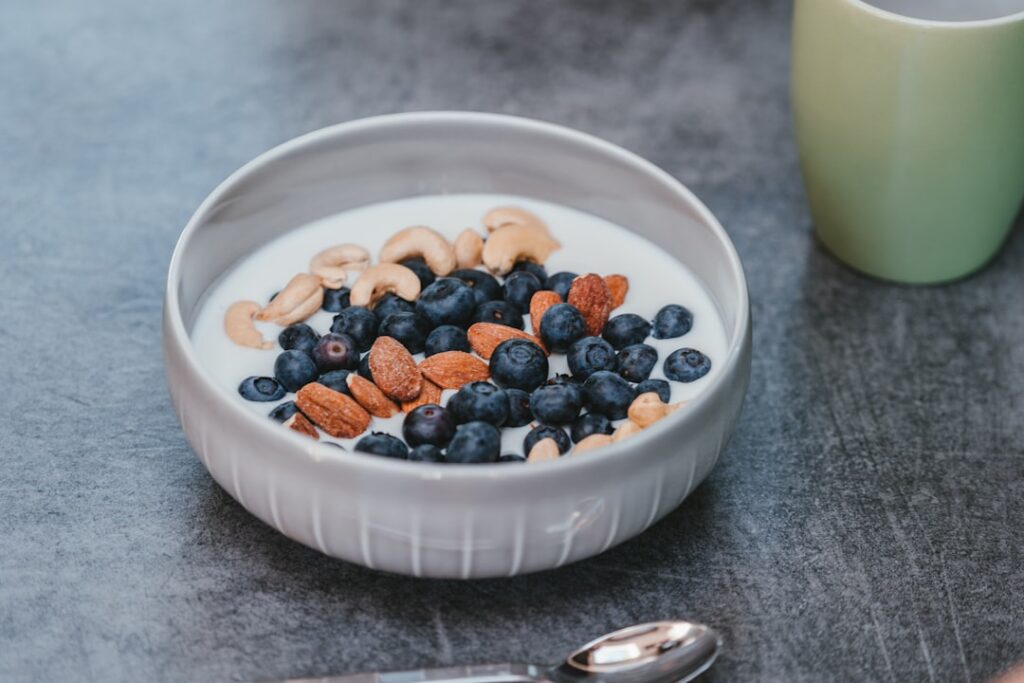
If you want to reduce bloating naturally, lifestyle and food habits usually make the biggest difference. Probiotics can be one tool, but daily patterns often determine whether your gut feels supported or stressed.
Start by increasing fiber gradually rather than all at once. Fiber helps feed beneficial bacteria, but jumping too quickly can backfire and create more gas. Drinking enough water helps that fiber move through the digestive tract more comfortably.
Eating slowly can also reduce swallowed air and improve how your body handles meals. Many people notice that bloating gets worse when they eat distractedly, rush through meals, or go too long without food and then overeat.
Identifying food triggers is another practical step. You do not need to overhaul your entire life. Start with one meal, one habit, one change at a time. Notice whether dairy, large portions, carbonated drinks, sugar alcohols, or certain high-FODMAP foods make symptoms more likely.
Choosing gut-friendly foods can help crowd out the habits that leave you feeling worse. Think oats, yogurt with live cultures, berries, kiwi, vegetables you tolerate well, beans introduced slowly, and plenty of fluids. Stress management matters too, because the gut and brain communicate constantly. Even simple routines like walking, breathing exercises, or better sleep can support digestive health.
Do you need a probiotic supplement?
You may consider a probiotic supplement if bloating is a recurring concern, your diet lacks fermented foods, or you want a more targeted way to support your gut microbiome. But diet and lifestyle still do most of the heavy lifting.
Some people like the convenience and consistency of probiotic supplements for bloating, especially when food alone feels hard to maintain. Others may do well focusing first on fiber, hydration, and meal habits. The honest answer is that it depends on your body’s unique signals, which is why one-size-fits-all rules rarely work here.
Supplements are best viewed as support, not a replacement for healthy habits. When they fit, they can complement a routine that already includes better food choices, steadier meals, and a more thoughtful approach to digestive triggers.
Common Mistakes When Taking Probiotics

The most common probiotic mistakes are expecting instant results, shopping by CFU number alone, stacking multiple products at once, and ignoring diet quality. These errors can make a potentially helpful supplement feel disappointing.
Expecting immediate results is a major one. Some people notice changes within days, but many need more time and consistency before they can tell whether a product is helping. Choosing only by CFU number is another trap. Bigger numbers sound impressive, but they do not guarantee a better outcome.
Taking several supplements at once can also make it hard to know what is helping or what is irritating your gut. If you are trying probiotic supplements for bloating, a simpler approach often gives you better feedback. And if diet quality stays poor, even well-formulated probiotics may have less impact than you hope.